
If the brilliant intellectual duel, profound emotional sacrifice, and haunting moral ambiguity of Keigo Higashino’s The Devotion of Suspect X left you craving another deeply atmospheric mystery, looking toward Singapore’s vibrant literary scene is a natural next step. Singaporean crime fiction offers a compelling transition for readers who appreciate stories where the setting itself acts as a character and the true puzzle lies within the human psyche. By shifting your focus to local writers, you will discover narratives that trade the quiet suburbs of Tokyo for the vertical, high-density landscapes of Southeast Asia, while maintaining the same intense focus on desperate motives and intricate cover-ups.
The transition from Japanese honkaku (orthodox) or shin-honkaku (new orthodox) mystery styles to Singaporean crime writing is smoother than it might initially appear. Both traditions frequently de-emphasize the simple “whodunit” question in favor of exploring “how” and “why” a crime was committed under extreme societal pressure. In the pages of Singaporean mystery novels, the pristine facade of a highly ordered society often cracks to reveal deeply personal tragedies, family secrets, and desperate measures that mirror the emotional core of Higashino’s masterpiece.
What Makes Singaporean Mystery Novels a Great Follow-Up
One of the most striking parallels between The Devotion of Suspect X and Singaporean mystery fiction is the creative use of high-density urban environments to generate psychological tension. In Higashino’s novel, the thin walls of Tokyo apartment buildings and the predictable routines of urban life create a claustrophobic atmosphere where every sound is noticed and every movement is tracked. Similarly, Singaporean authors masterfully utilize the unique architecture of public housing estates, commonly known as HDB flats, to construct high-stakes narratives. The close proximity of neighbors, shared common corridors, and towering vertical blocks provide a perfect backdrop for stories where keeping a secret is nearly impossible, yet absolutely necessary.
Products mentioned in this guide
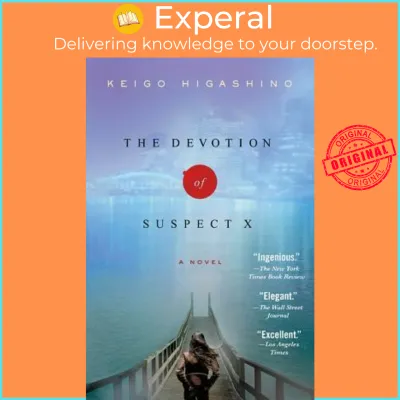


Prices are valid at publication and may change. Please refer to the product page for the latest price.
This architectural claustrophobia forces characters into constant, tense interactions, turning everyday spaces like void decks, multi-storey car parks, and neighborhood coffee shops into sites of quiet desperation or sudden confrontation. When a crime occurs within these tightly packed communities, the investigation must navigate a complex web of observant neighbors, security cameras, and domestic routines. For readers who enjoyed how Yasuko and Ishigami’s lives were physically and socially intertwined in The Devotion of Suspect X, the domestic geography of Singaporean fiction offers a similarly intense, pressure-cooker environment.
Beyond the physical setting, Singaporean mystery novels share a deep preoccupation with the crushing weight of social expectations and personal sacrifice. In The Devotion of Suspect X, the tragedy is driven by intense devotion, academic isolation, and the desperate desire to protect someone from a harsh legal system. Singaporean writers frequently explore how the relentless pursuit of academic excellence, financial security, and family honor can push ordinary individuals toward extreme actions. The contrast between a highly polished, successful public life and the dark, hidden struggles behind closed doors serves as a fertile ground for psychological depth, making these stories resonate with anyone who appreciated the tragic, human element of Higashino’s work.
Finally, the multicultural fabric of Singapore adds a rich, multi-layered complexity to character dynamics and plot development. Investigations in local novels often span diverse communities, languages, and social strata, requiring detectives and readers alike to decode subtle cultural nuances, colloquial expressions, and historical grievances. This diversity ensures that secrets are not just hidden behind physical doors, but also within cultural divides, generational gaps, and unspoken social codes. The resulting mysteries are intellectually stimulating and culturally immersive, offering a fresh perspective on the classic crime narrative.
How to Choose Your Next Read Based on Your Favorite Elements
Psychological Thrillers
If the element of The Devotion of Suspect X that captivated you most was the brilliant, high-stakes mind game between two formidable intellects, you should direct your attention toward Singaporean psychological thrillers. These novels prioritize internal tension, moral ambiguity, and the fragile nature of truth over straightforward police work. You will find stories populated by unreliable narrators, manipulative figures, and characters who are forced to make impossible ethical choices to protect themselves or those they love.

When selecting a psychological thriller from the local catalog, look for narratives that focus on domestic suspense or corporate intrigue. These subgenres excel at exposing the cracks in seemingly perfect relationships and professional lives, slowly peeling back layers of deception to reveal shocking twists. The cat-and-mouse dynamic in these books often plays out in private spaces, such as luxury condominiums or high-end offices, highlighting the stark contrast between wealth and moral decay. By focusing on the psychological warfare between characters, these novels deliver the same intellectual satisfaction and emotional tension that made Ishigami’s elaborate cover-up so unforgettable.
Social Mysteries
For readers who were deeply moved by the themes of sacrifice, family duty, and the societal pressures that drove the characters in Higashino’s work, social mysteries are the ideal choice. These novels use a central crime as a lens to examine broader societal issues, such as class divides, the struggles of marginalized communities, and the heavy burden of filial piety. The mystery itself becomes a vehicle for exploring how systemic pressures shape individual choices, often leading to tragic outcomes that feel inevitable yet heartbreaking.
In Singaporean social mysteries, the plot often revolves around a historical secret or a family tragedy that resurfaces to disrupt the present. As characters attempt to bury or uncover the truth, the narrative delves into the complexities of local life, from the high-pressure school system to the challenges faced by migrant workers or elderly residents. These stories offer a profound sense of empathy and emotional weight, ensuring that the resolution of the mystery leaves a lasting impact on the reader, much like the bittersweet conclusion of The Devotion of Suspect X.
Police Procedurals with a Local Twist
If you preferred the methodical, step-by-step deduction of Detective Kusanagi and the forensic insights of Dr. Yukawa, you should explore Singaporean police procedurals. These books offer a fascinating, detailed look at how law enforcement operates within a highly organized, low-crime society. Readers can follow dedicated investigators as they utilize modern forensic science, digital surveillance, and traditional shoe-leather detective work to crack complex cases.
What makes these procedurals uniquely compelling is how they adapt classic investigative tropes to the local legal and institutional landscape. Authors write about the Singapore Police Force with an eye for realistic detail, depicting the bureaucratic challenges, inter-departmental dynamics, and strict legal frameworks that govern criminal investigations in the city-state. Watching local detectives navigate these structured systems while dealing with the messy, unpredictable nature of human crime provides a satisfyingly realistic and intellectually engaging reading experience.
Essential Checks Before Buying Local Fiction
Before purchasing your next Singaporean mystery novel, taking a few moments to verify the edition and format will ensure a seamless reading experience. First, pay close attention to the language and translation status of the book. While a significant portion of contemporary Singaporean literature is written natively in English, the country’s rich multilingual heritage means that many excellent mystery novels are originally penned in Mandarin, Malay, or Tamil. If you are purchasing a translated work, verify the credentials of the translator and check reader reviews to ensure the translation preserves the atmospheric tension and cultural nuances of the original text.
Second, consider the publication format and digital compatibility, especially if you prefer eBooks or audiobooks. Some independent Singaporean publishers utilize specific digital rights management systems or distribute their digital catalog through localized platforms. Before buying, confirm that the file format (such as EPUB or PDF) is fully compatible with your specific e-reader, tablet, or reading application. If you prefer physical books, check the dimensions and paper quality, as local editions may vary between standard trade paperbacks and smaller mass-market formats.
Finally, always review the publisher and edition details to ensure you are receiving a complete, high-quality copy. Look for reputable local publishers such as Epigram Books, Marshall Cavendish, or Landmark Books, which are known for their high editorial standards and commitment to local talent. Be cautious of unauthorized reprints or heavily abridged versions that may circulate on global online marketplaces. Checking for bonus content, such as author interviews, reading group guides, or essays on the real-life inspirations behind the story, can also add significant value to your purchase and deepen your appreciation of the work.
Where to Find and Support Singaporean Authors
Acquiring authentic copies of Singaporean mystery novels is straightforward if you know where to look, and choosing the right channels directly supports the local literary ecosystem. One of the best ways to discover these titles is by visiting independent local bookstores in Singapore. These dedicated shops frequently curate specialized sections for local literature, and their knowledgeable staff can offer personalized recommendations based on your reading preferences. Many of these physical stores also host book launches, author panels, and signing events, allowing you to connect directly with the creators behind your favorite mysteries.
If you prefer a digital or highly accessible option, the National Library Board of Singapore offers an outstanding resource for both local and international readers. Through physical library branches across the island and digital lending applications like Libby, you can borrow a vast selection of Singaporean mystery novels legally and entirely for free. The National Library Board actively promotes local writers through dedicated collections and reading initiatives, making it an excellent starting point for exploring the genre without immediate financial commitment.
For those looking to purchase and own their books, browsing the official websites of local publishers or authorized online marketplaces is highly recommended. Buying directly from the publisher ensures that a larger portion of the proceeds goes back to the authors and supports the publication of future local fiction. Many local publishers offer reliable shipping options, making it easy for readers around the world to access the best of Singaporean crime writing while contributing to the growth of this exciting literary community.
Frequently Asked Questions (FAQ)
Are Singaporean mystery novels suitable for readers unfamiliar with local culture?
Yes, Singaporean mystery novels are highly accessible to international readers. While they are deeply rooted in the unique geography and social fabric of Singapore, they focus on universal human themes such as love, betrayal, greed, and justice. Most authors naturally integrate cultural context into the narrative, and many English-language editions include brief glossaries or explanatory notes for local terms, ensuring that anyone can follow the plot and enjoy the suspense without difficulty.
How can I find out if a specific local mystery novel is part of a series?
To determine if a book is part of a series, start by checking the author’s official website or the publisher’s online catalog, which typically list books in their correct chronological reading order. You can also examine the book’s copyright page, back cover, or introduction, as these sections frequently mention companion titles or indicate if the book features a recurring detective. Online book databases and community-driven reading platforms are also excellent resources for verifying series continuity.
Community discussion
Share your experience or ask a question. Comments are reviewed before publication.