
F. Scott Fitzgerald’s classic novel The Great Gatsby remains the definitive literary exploration of the American Dream, exposing the hollow core of rapid wealth, social climbing, and romanticized ambition. For readers looking to explore these exact themes within a Southeast Asian context, Singaporean literature offers a rich repository of novels that mirror Gatsby’s tragic pursuit of status. Works such as Tan Hwee Hwee’s Mammon Inc., Goh Poh Seng’s If We Dream Too Long, and Balli Kaur Jaswal’s Ministry of Moral Suicide capture the tension between rapid economic development and the personal sacrifices required to scale the social ladder.
These novels translate the glittering, fragile facades of Long Island into the hyper-modern, high-stakes environments of Singapore. By examining how local characters navigate class barriers, material expectations, and the disillusionment of success, readers can gain a deeper understanding of the universal human drive for acceptance and the moral compromises that often accompany it.
The Singapore Dream: Parallels to Gatsby’s Pursuit of Wealth
The “Singapore Dream” has long served as the local equivalent of the American Dream, historically defined by tangible milestones of material success. Often conceptualized through the acquisition of private property, luxury assets, and elite social status, this dream promises that tireless work within a meritocratic system will yield ultimate comfort and prestige. Just as Jay Gatsby viewed wealth as the key to unlocking a higher social echelon and reclaiming his past, characters in Singaporean fiction frequently pursue material markers to validate their place in a rapidly evolving society.
Products mentioned in this guide
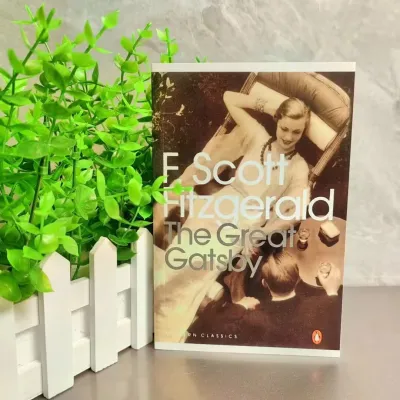

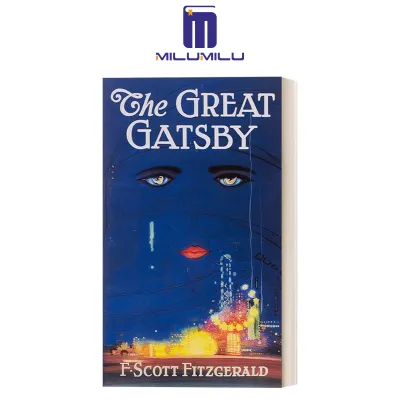
Prices are valid at publication and may change. Please refer to the product page for the latest price.
Singapore’s transition from a trading port to a global financial hub occurred with astonishing speed, creating a unique socio-economic landscape. This rapid development compressed generations of wealth accumulation into a few decades, making class mobility highly visible and intensely competitive. In this environment, the pressure to perform wealth becomes a survival mechanism, leading to stories where characters must constantly negotiate their values against the allure of financial security.
This economic acceleration fosters a profound tension between pragmatic societal expectations and individual, romanticized ambitions. While society encourages stable, high-yielding career paths, the human spirit often yearns for deeper self-expression or idealized connections. When characters attempt to bridge this gap through material acquisition, they often find that the elite circles they strive to enter are guarded by invisible, rigid barriers, mirroring Gatsby’s ultimate rejection by the established aristocracy.
Singaporean Fiction Picks Echoing Themes of Class and Disillusionment
To understand how local writers dissect these themes, we can look to a curated selection of Singaporean novels that explore the psychological and social costs of ambition. These works focus on the allure of wealth, the struggle to transcend one’s social class, and the eventual disillusionment that comes when material success fails to deliver emotional fulfillment. Each narrative offers a distinct perspective on the compromises individuals make to fit into a society that highly values economic utility.

When seeking out these titles, readers should note that edition availability may vary across local bookstores and public libraries. Some older classics may be found primarily in specialized literary collections or digital archives, while contemporary releases are widely accessible in multiple formats. Exploring these diverse texts provides a comprehensive view of how Singapore’s literary relationship with wealth has evolved over the decades.
Mammon Inc. by Tan Hwee Hwee
Tan Hwee Hwee’s Mammon Inc. offers a sharp, satirical look at the intersection of extreme materialism, corporate ambition, and moral compromise. The novel follows Chiah Deng, a young Singaporean graduate who is recruited by a powerful multinational corporation known as Mammon Corporation. Her role is to help adapt individuals into globalized, elite corporate citizens, a task that requires stripping away local identities in favor of a standardized, wealthy persona.
This corporate elite society serves as a direct parallel to the opulent but hollow world of Gatsby’s West Egg. The characters in Mammon Inc. navigate high-society parties, luxury lifestyles, and global travel, yet their relationships are entirely transactional. The novel brilliantly illustrates how the pursuit of global status demands the systematic erasure of personal history and cultural roots, leaving the protagonist to question the true value of her achievements.
Ultimately, the book presents a devastating critique of unchecked capitalism and the personal cost of relentless ambition. Chiah Deng’s journey reveals that the closer one gets to the pinnacle of corporate success, the more alienated one becomes from genuine human connection. The glittering promise of Mammon Inc. is exposed as a facade, echoing the tragic realization that material wealth cannot purchase authentic belonging or peace of mind.
If We Dream Too Long by Goh Poh Seng
Published in the early 1970s, Goh Poh Seng’s If We Dream Too Long is widely regarded as a foundational text in Singaporean literature. The novel captures the classic clash between romantic idealism and the pragmatic, materialistic realities of a newly independent nation striving for economic survival. The story centers on Kwang Meng, a young clerk who feels suffocated by the mundane routine of his job and the societal pressure to accumulate wealth and status.
Kwang Meng’s disillusionment mirrors Gatsby’s tragic pursuit of an unattainable ideal in a deeply pragmatic world. While Gatsby chases the green light and the romanticized past, Kwang Meng gazes out at the sea, dreaming of escape, freedom, and artistic fulfillment. However, his family, peers, and the broader society constantly pull him back, demanding that he conform to the practical expectations of marriage, property ownership, and financial responsibility.
As a foundational text, the novel masterfully depicts the loss of innocence that accompanies a society’s rapid modernization. Kwang Meng’s struggle highlights the quiet tragedy of those who cannot, or will not, fit into the economic machinery of progress. It suggests that in the relentless pursuit of national and personal wealth, the space for dreams, art, and genuine self-discovery is often the first thing to be sacrificed.
Ministry of Moral Suicide by Balli Kaur Jaswal
Balli Kaur Jaswal’s Ministry of Moral Suicide delves into the intense pressures of social expectations, class performance, and the hidden costs of maintaining respectability in contemporary Singapore. The narrative weaves together the lives of characters who find themselves at odds with societal norms, exploring how the desire to maintain a polished public image can lead to profound personal crisis.
This focus on maintaining appearances directly mirrors the elaborate facades constructed by the characters in The Great Gatsby. In Jaswal’s novel, social standing is a fragile construct that must be constantly policed and performed through correct behavior, associations, and material displays. The characters are acutely aware of the watchful eyes of their community, leading them to suppress their true desires and secrets to avoid social ruin.
Through complex family dynamics and sharp social commentary, the novel exposes the emotional toll of conforming to rigid class and cultural expectations. The pursuit of respectability becomes a trap, forcing individuals to make moral compromises that slowly erode their integrity. By highlighting the gap between public virtue and private desperation, the book offers a compelling look at the modern search for status and the high price of social conformity.
How to Choose the Right Book for Your Reading Preferences
Selecting the right novel to explore these themes depends on which aspect of the wealth and ambition spectrum resonates most with your reading preferences. Because Singaporean literature spans different eras of the nation’s development, the tone and style of these works vary significantly.
To guide your decision, consider the following thematic alignments:
- Modern Corporate Satire: If you enjoy fast-paced, witty critiques of global capitalism, cultural identity, and the high-flying corporate lifestyle, Mammon Inc. is an excellent choice.
- Historical and Philosophical Idealism: If you prefer introspective, character-driven narratives that capture the quiet melancholy of a changing society and the struggle of the individual against economic conformity, start with If We Dream Too Long.
- Contemporary Family and Social Drama: If you are drawn to multi-perspective stories focusing on societal judgment, family secrets, and the tension between personal freedom and community expectations, Ministry of Moral Suicide will suit your tastes.
Before purchasing, readers should check edition formats, such as paperback or ebook, to ensure compatibility with their preferred reading devices. It is highly recommended to search local public library catalogs or visit independent bookstores, which frequently stock dedicated sections for local Singaporean literature and can offer personalized recommendations based on availability.
Frequently Asked Questions (FAQ)
Are there Singaporean graphic novels or alternative formats exploring similar themes?
Yes, Singaporean graphic novels frequently explore themes of national development, personal ambition, and historical shifts. Visual storytelling offers a unique medium to contrast the physical transformation of the landscape with the internal struggles of its citizens. For instance, works that depict the transition from traditional kampungs to modern high-rises visually capture the loss of old ways of life in the pursuit of economic progress. When exploring these alternative formats, readers should verify the specific edition availability and format compatibility, especially when purchasing digital versions for e-readers, as graphic layouts require proper screen formatting to be fully appreciated.
Where is the best place to buy or borrow these novels in Singapore?
To borrow these novels, the national public library network is an exceptional resource, offering extensive physical collections as well as digital copies through library applications. For readers looking to purchase and own physical editions, visiting independent local bookstores or established retail chains is highly recommended. Independent shops often curate dedicated sections for Singaporean literature and play a vital role in supporting the local writing community. Additionally, authorized digital ebook platforms provide immediate access to digital editions for those who prefer reading on tablets or dedicated e-readers.
Community discussion
Share your experience or ask a question. Comments are reviewed before publication.