
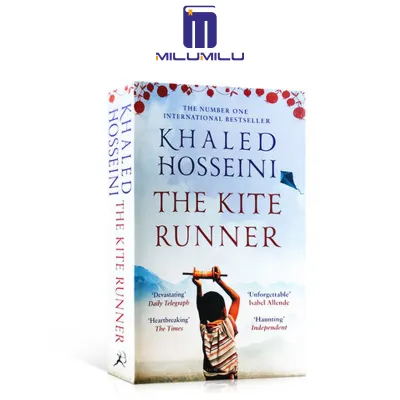
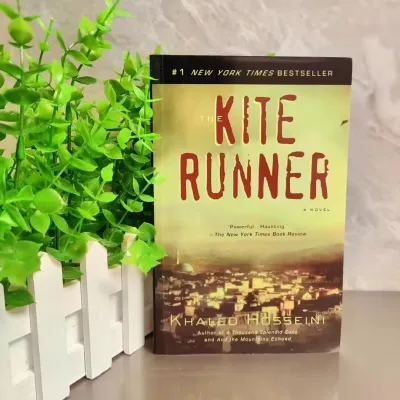
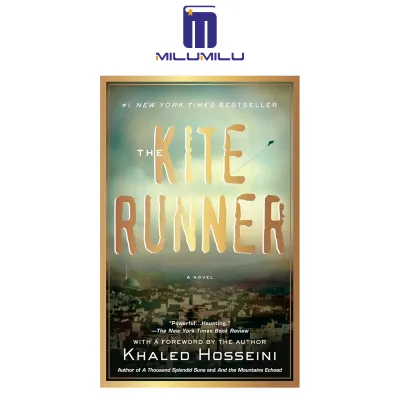
The Kite Runner by Khaled Hosseini is a novel that leaves a lasting impression on its readers. Its powerful exploration of personal betrayal, the heavy burden of guilt, and the lifelong journey toward redemption resonates deeply across cultural boundaries. Set against the turbulent backdrop of Afghanistan’s modern history, the story demonstrates how national crises and personal choices are inextricably linked. If you are searching for that same emotional intensity, historical depth, and complex character relationships within Singaporean literature, you will find a rich landscape of stories that mirror these profound themes. While the geographical and cultural settings differ, the human struggles at the core of these narratives remain deeply universal.
Singaporean fiction offers a unique and compelling lens through which to explore these themes. The rapid transition of the island from a colonial port to a war-torn territory, and eventually to a highly modernized global hub, provides a dramatic backdrop for stories of personal and collective struggle. By focusing on the emotional core of Hosseini’s work—such as the tension between personal desires and societal expectations, or the lingering impact of historical trauma on families—you can navigate local literature to find novels that resonate on a similarly deep level.
To find your next moving read, it helps to understand how Singaporean writers approach these universal human experiences. By examining the intersections of history, family dynamics, and social class, you can identify books that offer the same narrative weight and emotional payoff that made The Kite Runner an unforgettable masterpiece. This guide provides a thematic framework to help you discover local novels that capture the same spirit of resilience, heartbreak, and hope.
Products mentioned in this guide


Prices are valid at publication and may change. Please refer to the product page for the latest price.
Identifying Shared Themes: History, Family, and Redemption
The power of The Kite Runner lies in how it weaves the grand, sweeping movements of history with the intimate, often painful choices of individuals. In Singaporean literature, this intersection is frequently explored through the lens of pivotal historical moments. The Japanese Occupation during World War II, for instance, serves as a frequent setting for stories of survival, moral compromise, and betrayal. Just as Amir’s life was permanently altered by the political shifts in Afghanistan, characters in Singaporean historical fiction are often forced to make impossible choices under the pressure of wartime occupation or the rapid social engineering of the post-independence era. These narratives show how external political forces can reshape personal destinies, forcing ordinary people to confront their deepest fears and moral boundaries.
Generational trauma and family secrets are also central to both Hosseini’s work and many local novels. In a rapidly changing society, the gap between generations can feel like an unbridgeable chasm. Singaporean writers often delve into the complex dynamics between parents who survived the hardships of early nationhood and children who grew up in a highly competitive, modernized city-state. These stories frequently uncover buried secrets, unspoken sacrifices, and the lingering guilt of past actions, mirroring the tense, unresolved family relationships that drive the plot of The Kite Runner. The struggle to live up to parental expectations, and the pain of failing to do so, is a recurring motif that connects these diverse literary traditions.
Furthermore, the struggles of class, race, and identity are deeply embedded in the fabric of Singaporean fiction. As the nation modernized, the stark contrasts between different social strata became more pronounced. Local novels often examine how characters navigate these invisible boundaries, dealing with the pressure to conform to societal expectations while struggling to maintain their personal integrity. The feeling of being an outsider in one’s own home, a central theme for Amir as he navigates different worlds, is a common experience for characters in Singaporean stories who find themselves caught between traditional cultural heritages and the demands of a globalized society. This exploration of identity and belonging adds a layer of social critique that enriches the emotional narrative.
With these themes in mind, the journey toward redemption is handled with great sensitivity in Singaporean literature. While Amir’s journey toward redemption is highly individualistic, local stories often frame redemption within a collective or familial context. Characters may seek to redeem their family’s honor, rebuild a shattered community, or reconcile with their heritage after years of assimilation. This collective search for healing offers a unique cultural perspective while delivering the same emotional satisfaction. By focusing on how characters attempt to heal past wounds and repair broken relationships, these novels provide a hopeful counterpoint to the tragedies they depict.
Exploring Singapore’s Literary Voices (Non-Exhaustive Examples)
When searching for Singaporean authors who capture the emotional and historical depth of The Kite Runner, it is helpful to look for those who specialize in historical epics and multi-generational family sagas. Several prominent local writers have dedicated their careers to documenting the lived experiences of Singaporeans across different eras. These authors often paint detailed portraits of the country’s multicultural society, exploring how diverse communities interacted, clashed, and supported one another through periods of intense social change. Reading these works allows you to experience the collective memory of a nation through highly personal, character-driven narratives that emphasize empathy and historical accuracy.

In addition to historical epics, contemporary Singaporean literature features a vibrant array of voices focusing on marginalized perspectives and societal transitions. These writers often challenge the mainstream narrative of rapid economic success by highlighting the personal costs of progress. Their stories delve into the lives of individuals who feel left behind by modernization, exploring themes of alienation, identity loss, and the search for belonging. This focus on the quiet, often unseen struggles of ordinary people provides a similar emotional intimacy to the relationship between Amir and Hassan, showing how systemic inequalities can impact personal friendships and family bonds.
To find these voices, look for authors who focus on the post-war reconstruction and the social shifts of the 1960s and 1970s. This was a time of rapid urbanization, where traditional villages were cleared to make way for modern high-rise housing. This physical transformation of the landscape serves as a powerful metaphor for the internal changes characters undergo as they adapt to a new way of life, often leaving behind cherished traditions and relationships. These stories capture the bittersweet nature of progress, mirroring the nostalgia and loss that permeate Hosseini’s writing.
However, because an author’s body of work can vary widely in tone and subject matter, it is essential to evaluate individual books rather than relying solely on a writer’s general reputation. An author known for historical fiction might also write lighthearted satire, poetry, or speculative short stories. Before making a purchase, take the time to read specific book synopses, publisher descriptions, and reader reviews. Look for keywords that indicate a focus on character depth, historical realism, and emotional complexity to ensure the specific title aligns with what you loved about The Kite Runner. This careful approach will help you discover hidden gems that truly resonate with your reading preferences.
A Checklist for Choosing Your Next Emotional Read
Finding a book that matches the specific emotional and thematic weight of The Kite Runner requires a careful selection process. To help you evaluate potential reads, consider using a structured checklist before committing to a purchase. First, examine the historical setting and time period of the novel. If you are drawn to the way Hosseini uses real-world political turmoil to shape his characters’ lives, look for Singaporean novels set during major historical transitions, such as the pre-war colonial era, the Japanese Occupation, or the turbulent decades of the 1960s and 1970s. Understanding the historical backdrop will help you appreciate the external pressures acting on the characters and the stakes involved in their personal choices.
Next, it is crucial to assess the emotional intensity of the book. Novels that explore deep themes of betrayal, trauma, and redemption often contain heavy or distressing content. Just as The Kite Runner deals with difficult subjects like violence and abuse, local literature tackling historical trauma or deep-seated family conflicts can be emotionally challenging. Before buying, search for content warnings or reader discussions online to ensure the book’s themes align with your current emotional tolerance and reading preferences. This step is particularly important if you want to avoid specific triggers while still enjoying a deeply moving story.
Additionally, verify the language edition and translation quality of the work. Singapore is a multilingual nation with rich literary traditions in English, Malay, Chinese, and Tamil. While many contemporary novels are written directly in English, some of the most powerful historical works were originally published in other languages and later translated. When considering a translated work, check the publisher’s notes or reviews to ensure the translation preserves the emotional nuances and cultural context of the original text. A high-quality translation is essential for capturing the poetic prose and deep emotional resonance that characterizes great literature.
Finally, consider the physical or digital format of the book. Some readers prefer the tactile experience of a physical paperback or hardcover, especially for historical epics that benefit from maps, family trees, or glossaries. Others may prefer the convenience of an e-book or audiobook. Verify that the format you choose is compatible with your reading devices and habits, and check if the edition includes any supplementary material, such as author interviews or historical notes, which can greatly enrich your reading experience. By systematically working through this checklist, you can make an informed decision and find a book that truly matches your literary tastes.
Where to Source and Buy Local Fiction
Once you have identified a few titles that match your interests, the next step is finding where to purchase or borrow them. In Singapore, local literature is highly celebrated, and there are several excellent avenues for sourcing these books. Visiting physical bookstores is one of the best ways to discover new titles. Many local independent bookstores and major retail chains feature dedicated, curated sections for Singaporean writing. The staff at independent shops are often incredibly knowledgeable about local literature and can offer personalized recommendations based on your interest in emotionally resonant, historical fiction. These physical spaces also allow you to flip through the pages and read the first few chapters before making a decision.
If you prefer shopping online, numerous digital marketplaces and specialized online bookstores carry a wide selection of Singaporean novels. When purchasing from online platforms, always verify the seller’s rating, shipping policies, and estimated delivery times. Ensure that the retailer has the book in stock rather than listing it as a backorder, which can lead to long delays. Checking the publisher’s official website can also be a reliable way to purchase directly, often ensuring that a larger portion of the proceeds goes back to the author and the local publishing industry. This direct support helps sustain the local literary ecosystem and encourages the production of more high-quality works.
For those who want to preview a book before committing to a purchase, or who prefer borrowing over buying, the national library system is an invaluable resource. Singapore’s public libraries maintain extensive collections of local fiction across all major languages. You can use the library’s online catalog or mobile application to search for specific titles, check their availability at various branches, or reserve digital e-book versions. Borrowing a book first allows you to explore different authors and styles risk-free, helping you refine your preferences before building your personal home library. This accessibility makes it easier than ever to dive into the rich world of Singaporean literature.
Frequently Asked Questions (FAQ)
Are there Singaporean novels that deal with war and historical trauma?
Yes, Singaporean literature frequently addresses the profound impact of war and historical trauma, particularly the Japanese Occupation during World War II. This period of intense hardship and social disruption serves as a powerful backdrop for many local novels, allowing writers to explore themes of survival, moral ambiguity, and the lasting psychological scars left on individuals and families. When searching for these themes, check the book’s synopsis to confirm it focuses on the wartime era or its immediate aftermath, as these stories often provide the same intense emotional stakes and historical depth found in The Kite Runner.
How do I find English translations of classic Singaporean fiction?
Finding English translations of classic Singaporean novels written in Malay, Chinese, or Tamil is relatively straightforward, thanks to the efforts of local publishers and academic presses. Many of these organizations actively translate and republish significant historical works to make them accessible to a wider audience. To locate these translations, you can search the catalogs of local publishers or browse the Singapore collection at public libraries. When searching online databases, use filters for translated works or look for specific translator credits in the book details to ensure you are getting a high-quality, authorized English edition.
Community discussion
Share your experience or ask a question. Comments are reviewed before publication.