
Finding literature that matches the profound emotional resonance of Mitch Albom’s Tuesdays with Morrie often leads readers on a search for stories that balance personal vulnerability with universal truths. In Singapore’s rich literary landscape, this search reveals a deep well of fiction that grapples with similar questions of mortality, mentorship, and the search for meaning. While Albom’s work is a non-fiction memoir, Singaporean novelists frequently use fiction to explore how individuals navigate the pressures of a hyper-modern society while holding onto intergenerational wisdom, cultural roots, and personal reconciliation. By understanding how to navigate local literary themes, you can discover profound narratives that offer the same comforting, life-affirming lessons found in Morrie’s study.
Mapping the Core Themes of Tuesdays with Morrie to Local Fiction
To find local novels that echo Tuesdays with Morrie, it is helpful to break down the memoir’s core themes and see how they manifest in Singaporean writing. The first major theme is mentorship and intergenerational bonds. In a local context, this often translates into stories exploring filial piety, the tension between traditional family expectations and modern individual desires, and the quiet wisdom of elders who lived through Singapore’s rapid transition from a colonial port to a global metropolis. These narratives frequently feature relationships between grandparents and grandchildren, where the older generation serves as a bridge to a forgotten past, offering perspective on what truly matters in life.
Another central theme is confronting mortality and regret within a fast-paced, achievement-oriented environment. Tuesdays with Morrie challenges the modern obsession with material success, urging readers to prioritize love, community, and self-reflection. Singaporean fiction frequently addresses this exact conflict, depicting characters who feel alienated by the relentless pursuit of career milestones and financial security. Through encounters with illness, aging, or sudden loss, these characters are forced to pause, re-evaluate their choices, and seek reconciliation with themselves and their loved ones.
Products mentioned in this guide
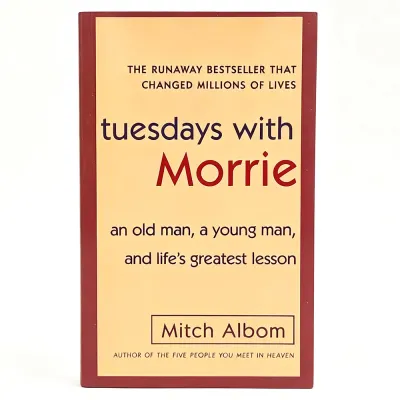
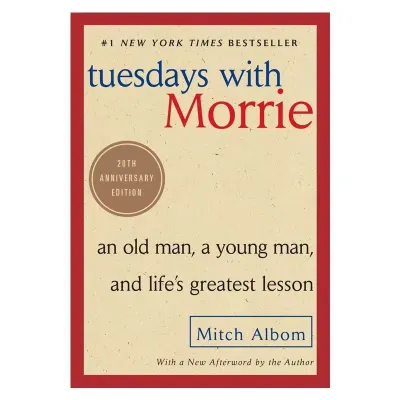
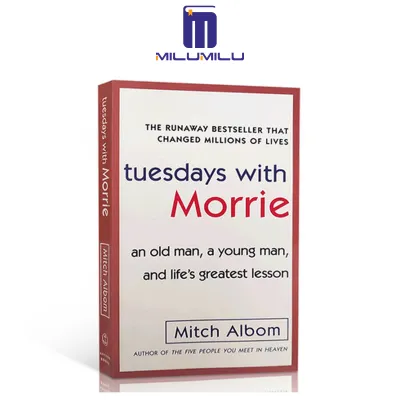
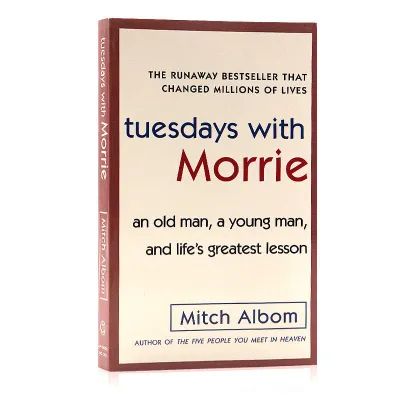
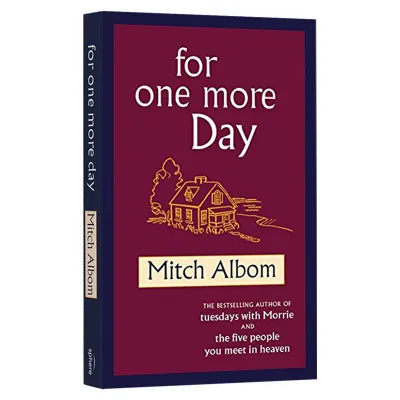
Prices are valid at publication and may change. Please refer to the product page for the latest price.
Finally, the search for meaning in local literature is deeply intertwined with cultural identity and historical shifts. As neighborhoods transform and old ways of life fade, characters in Singaporean novels often grapple with a sense of displacement. The journey toward personal peace in these stories requires reconciling one’s modern identity with historical roots, language dialects, and cultural heritages that are at risk of being lost. This adds a unique layer of depth to the life lessons, making the philosophical reflections feel grounded in a specific, tangible reality.
How to Identify and Select Resonant Singaporean Novels
Selecting Singaporean fiction that carries the emotional weight of Tuesdays with Morrie requires a deliberate approach to filtering titles. Because the local publishing scene is diverse, ranging from lighthearted contemporary romances to historical epics, readers must look for specific indicators of thematic depth.

First, examine the author’s background and the publisher’s focus. Literary fiction houses in Singapore often specialize in works that tackle complex social issues, grief, and existential questions. When browsing, look for authors who have a background in poetry, playwriting, or essays, as these writers often bring a highly reflective, lyrical quality to their prose. Their novels are more likely to prioritize character development and philosophical inquiry over fast-paced plot progression.
Second, analyze publisher blurbs and independent reviews for specific thematic keywords. Instead of searching for generic terms like “bestseller” or “drama,” look for descriptions that mention “generational trauma,” “grief,” “aging,” “memory,” or “reconciliation.” Reviews from local literary journals or established book bloggers can provide valuable insights into whether a book handles these themes with the necessary sensitivity and depth, or if it leans into melodrama.
Third, verify the language editions and the integration of local context. Singaporean literature is written in multiple languages, and many profound works are translated into English from Malay, Mandarin, or Tamil. Additionally, pay attention to how the author uses language, such as the inclusion of Singlish or regional dialects. A well-crafted novel uses these linguistic elements not just for novelty, but to convey deep emotional truths, intimacy, and cultural nuances that are central to the characters’ relationships and personal growth.
Thematic Pathways for Your Reading List
To help you build a personalized reading list, it is useful to categorize local literary fiction into distinct thematic pathways. Rather than relying on arbitrary rankings, these pathways allow you to choose books based on the specific emotional journey you wish to experience, whether you are seeking the warmth of intergenerational mentorship or the quiet contemplation of grief and self-forgiveness.
Exploring Intergenerational Wisdom and Family Ties
If you are drawn to the mentor-student dynamic of Tuesdays with Morrie, look for Singaporean novels that focus on the relationships between youth and elders. These stories often center on characters navigating the friction between modern, urban lifestyles and the traditional values of dialect-speaking grandparents or aging parents.
When evaluating these books, look for narratives that incorporate kampong memories or historical settings. The contrast between a rapidly developing city and the slower, community-focused life of the past often serves as a backdrop for profound life lessons. However, it is crucial to verify that the book balances nostalgia with realistic family conflicts. The most resonant novels avoid idealizing the past; instead, they portray the genuine difficulties of communication across language barriers and generational divides, showing how love and wisdom can still be transmitted despite these obstacles.
Furthermore, observe how these novels depict the transmission of heritage. Often, the elder character does not offer wisdom through formal lectures, but through daily rituals, shared meals, or traditional crafts. This mirrors the informal, intimate setting of Morrie’s weekly discussions, providing a comforting and familiar structure for readers seeking a similar emotional connection.
Navigating Grief, Loss, and Personal Reconciliation
For readers who appreciate Morrie’s philosophical approach to mortality, the pathway of grief and reconciliation offers deeply moving choices. These novels deal directly with the reality of terminal illness, the physical and mental decline of aging, or the sudden void left by the loss of a loved one.
To ensure you select a book that matches the contemplative tone of Tuesdays with Morrie, check the thematic depth and content warnings. Look for stories where the narrative focus is not merely on the tragedy of death, but on the subsequent journey toward self-forgiveness and healing. The characters in these novels often must confront long-held regrets, unresolved family tensions, or personal failures. A successful literary work in this category will offer a space for quiet reflection, helping the reader find beauty and meaning in the midst of sorrow rather than relying on sensationalized drama.
Additionally, pay attention to how these stories handle the setting. In Singapore, where space is highly optimized and life moves rapidly, the quiet spaces of grief—such as a hospital room, a void deck wake, or a columbarium—become significant arenas for emotional breakthroughs. Novels that explore these settings with sensitivity often provide the most profound insights into how we find peace in a crowded, busy world.
Where to Find and Verify Authentic Local Editions
Once you have identified the thematic pathways you wish to explore, the next step is sourcing authentic editions of these Singaporean novels. Supporting the local literary ecosystem ensures that these profound voices continue to be published and heard.
Start by visiting independent local bookstores in Singapore. These establishments often feature dedicated sections for Singaporean literature, curated by passionate staff who can offer personalized recommendations based on your reading preferences. Unlike larger international chains, independent booksellers frequently host book launches, poetry readings, and author talks, providing an opportunity to engage directly with the local literary community.
When purchasing online or in-store, verify the publisher details. Look for established local publishing houses such as Epigram Books, Ethos Books, or Landmark Books. Buying directly from these publishers’ official websites or authorized distributors guarantees that you are receiving authentic editions and that a larger portion of the proceeds goes directly toward supporting local authors and future literary projects. Local paperbacks typically range from S$15 to S$25, making them an accessible investment in your reading journey.
Additionally, confirm the format availability before making a purchase. Many Singaporean novels are available in paperback, e-book, and sometimes audiobook formats. If you are a collector, keep an eye out for special local editions, signed copies, or anthologies that compile award-winning short stories, which can serve as an excellent introduction to multiple local voices in a single volume.
Frequently Asked Questions (FAQ)
Are English translations of local dialect or Mandarin novels worth reading for these themes?
Yes, translated works are highly valuable and often carry a unique emotional weight. Translators of Singaporean literature work diligently to preserve the cultural nuances, historical context, and emotional depth of the original text. When selecting a translated novel, check for translator notes or introductions, which often provide essential context regarding regional dialects, cultural practices, and linguistic choices. These notes can significantly enhance your understanding and appreciation of the story’s life lessons.
Bilingual editions or works published with parallel text can also be excellent choices for readers who wish to compare the original language with the translation. These editions are occasionally available through local academic publishers or specialized independent bookstores, offering a deeper layer of engagement with the text’s original cultural framework.
How can I support Singaporean authors directly when buying these books?
The most direct way to support local authors is to purchase their books from independent local bookstores or directly from the official websites of local publishers. This ensures that a higher percentage of the sale price goes back to the creators and the independent presses that champion their work, rather than being absorbed by large global ecommerce platforms.
Additionally, you can support the literary community by attending local book launches, literary festivals, and library talks. Sharing your thoughts through online reviews, recommending books to friends, and requesting local titles at your neighborhood library also play a vital role in increasing the visibility of Singaporean literature, helping these meaningful stories reach a wider audience.
Community discussion
Share your experience or ask a question. Comments are reviewed before publication.