
If you are drawn to the quiet resilience of Santiago, the stark beauty of the open sea, and the profound dignity found in the face of inevitable change, you do not have to limit your reading to classic Western literature. The literary landscape of Singapore offers a rich, deeply moving parallel. While Hemingway’s protagonist battles the elements on a skiff in the Gulf Stream, local writers in Southeast Asia capture similar struggles against the relentless tides of modernization, urban isolation, and cultural transition. Exploring these local works allows you to experience the same emotional depth and existential reflection, reframed within a rapidly evolving island nation.
What Makes The Old Man and the Sea Enduring?
To find a worthy successor to Ernest Hemingway’s 1952 masterpiece, it is essential to understand exactly what makes the novella so unforgettable. At its core, the story is built on several thematic pillars: the unyielding nature of human resilience, the profound weight of isolation, the eternal struggle against fate, and the preservation of personal dignity even in moments of absolute defeat. Santiago does not fish merely for survival; he fishes to affirm his identity and his place in the universe.
Stylistically, Hemingway achieves this depth through his famous “iceberg theory.” This writing philosophy dictates that the dignity of movement of an iceberg is due to only one-eighth of it being above water. The prose is deliberately concise, stripped of unnecessary adjectives, and grounded in stark realism. The emotion is never forced upon the reader; instead, it is felt through the spaces between the words and the simple, repetitive actions of the protagonist.
Products mentioned in this guide
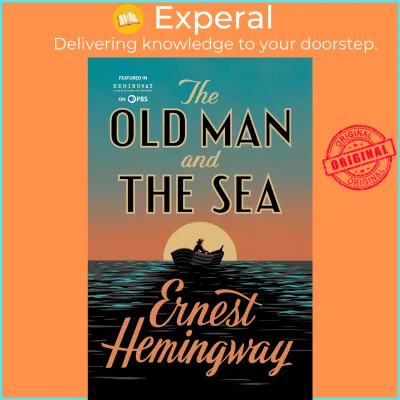


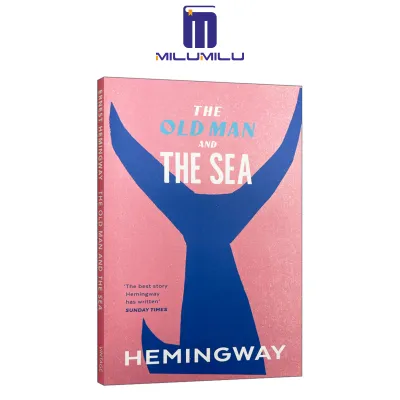
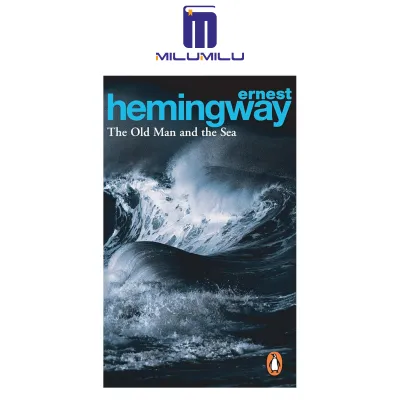


Prices are valid at publication and may change. Please refer to the product page for the latest price.
When searching for your next read, you must distinguish between a desire for simple maritime adventure and a craving for deep psychological exploration. If you are looking for the former, you might seek out action-heavy survival stories. However, if you loved the novella for its philosophical weight, you should look for narratives that treat the setting as a mirror for the soul, where the external journey serves as a canvas for internal endurance.
Mapping Classic Themes to Singaporean Landscapes
Transitioning from the Gulf Stream to the shores of Southeast Asia requires shifting the physical battlefield, but the emotional landscape remains remarkably consistent. In Singaporean fiction, the open sea is often replaced by the rapidly changing physical environment. The historical transition from coastal kampongs (traditional villages) to high-rise urban estates represents a monumental shift where characters must navigate the loss of their traditional ways of life. Just as Santiago watches his beloved sea change, local characters witness their physical heritage being reclaimed, paved over, and modernized.

This rapid development introduces the theme of isolation in a crowd. While Santiago experiences literal solitude on his boat, characters in contemporary local fiction often experience a profound psychological alienation within a densely populated, highly efficient city. The struggle is no longer against a giant marlin or a pack of sharks, but against the invisible, crushing pressures of societal expectations, economic progress, and the passage of time.
Maintaining dignity in transition is a central focus for many local writers. As traditional trades disappear and old neighborhoods are redeveloped, protagonists—often elderly or marginalized individuals—quietly resist being forgotten. Their quiet endurance in the face of overwhelming systemic change mirrors Santiago’s determination to keep sailing farther out, even when his body fails him and the community doubts his relevance.
Finding Your Next Read: Thematic Pathways in Local Fiction
To navigate the diverse world of Singaporean literature, you can use a structured framework based on the specific elements of Hemingway’s classic that resonated with you most. By identifying your primary thematic preference, you can narrow down your search to the most rewarding local works.
If you are drawn to the human-versus-environment struggle, focus your search on narratives centered on early maritime communities, island survival, or the emotional impact of land reclamation. Look for historical fiction that documents the lives of the orang laut (indigenous sea people) or early immigrants who relied on the southern islands and the Singapore River. These stories capture the raw, physical relationship between humans and the water, highlighting the vulnerability of coastal communities as the modern state began to take shape.
If your interest lies in quiet resilience and isolation, seek out contemporary literary fiction that explores aging, urban disconnect, and personal endurance. Look for novels featuring older protagonists who live in modern high-rise flats but remain anchored to a past that the rest of the city has forgotten. These narratives emphasize the internal strength required to survive in a fast-paced society, offering a poignant look at the quiet, everyday battles that go unnoticed by the world.
For those who appreciate concise, powerful prose, prioritize local authors recognized for their minimalist, stark realist, or unadorned narrative styles. Avoid works characterized by ornate, highly descriptive language. Instead, look for writers who utilize short sentences, sharp dialogue, and a heavy reliance on subtext. This stylistic approach ensures that the emotional weight of the story is carried by what is left unsaid, perfectly mirroring Hemingway’s signature aesthetic.
Where to Discover High-Quality Singaporean Fiction
Finding literature that matches the artistic standards of a global classic requires knowing where to look within the local publishing ecosystem. A reliable starting point is to look for works recognized by established regional and national literary awards. The Singapore Literature Prize, awarded biennially, is an excellent indicator of exceptional literary merit across multiple languages. Additionally, exploring the catalogs of university presses, such as the National University of Singapore (NUS) Press, can lead you to carefully curated historical fiction and critical editions that offer deep cultural insights.
Independent local bookstores and specialized publishers are also invaluable resources. Publishers like Ethos Books, Epigram Books, and Landmark Books focus heavily on nurturing Southeast Asian voices and preserving local heritage. Visiting independent bookstores allows you to browse dedicated local literature sections where staff can offer personalized recommendations based on your reading preferences. When purchasing physical copies, expect to pay around S$18 to S$30 for standard paperbacks at local outlets, which is a highly reasonable investment for supporting independent publishing.
Finally, engaging with local literary events can broaden your horizons. The annual Singapore Writers Festival features panel discussions, readings, and book launches that highlight critically acclaimed authors. Many local literary journals and curated reading lists compiled by the National Library Board also provide excellent starting points for readers looking to build a high-quality collection of local fiction.
Essential Checks Before Buying Local Novels
Before purchasing a local novel, performing a few essential checks will ensure the book aligns with your expectations regarding format, language, and edition quality. First, verify the language of the edition. Singapore’s literary heritage is multilingual, with significant bodies of work written in Chinese, Malay, and Tamil. If you are purchasing an English translation, research the translator’s credentials and read any available reviews of the translation quality to ensure the original tone, cultural nuances, and stylistic subtleties have been preserved.
Second, confirm the physical or digital format of the book. If you prefer reading on a digital device, verify that the e-book file format is fully compatible with your specific e-reader. Some independent local publishers distribute digital editions through regional platforms that may have geographic restrictions or require specific reading applications. Checking these details beforehand prevents compatibility issues and ensures a seamless reading experience.
Lastly, examine the publisher, publication year, and edition details. Some older, highly regarded local novels may have gone out of print or been reissued in abridged versions for educational purposes. To experience the work as the author intended, verify that you are purchasing the complete, unabridged edition. Checking the publisher’s reputation can also help you avoid low-quality, unauthorized reprints, ensuring that your investment directly supports the local literary community and the preservation of these vital stories.
Frequently Asked Questions (FAQ)
Are English translations of Singaporean novels widely available?
Yes, English translations of Singaporean novels are increasingly accessible, thanks to dedicated translation grants and the efforts of local independent publishers. The National Arts Council frequently supports initiatives to translate significant historical and contemporary works written in Malay, Mandarin, and Tamil into English. This ensures that the diverse voices of the nation’s literary pioneer generation are preserved for a broader audience.
However, while contemporary translations are relatively easy to find in major bookstores, locating high-quality translations of older heritage novels may require a bit more effort. You may need to browse the digital catalogs of specialized local publishers or visit university libraries and independent bookstores that maintain comprehensive archives of Southeast Asian literature.
How can I identify Singaporean novels with lasting literary merit?
Identifying local novels with enduring literary value involves looking for specific markers of critical recognition and cultural significance. Books that have won or been shortlisted for the Singapore Literature Prize are highly reliable choices, as they undergo rigorous evaluation by panels of literary experts.
You can also look for works that are frequently included in university literature syllabi, selected for national reading campaigns, or featured in prestigious literary anthologies. These novels have demonstrated their ability to spark meaningful discussion and remain relevant across generations, making them excellent choices for readers seeking depth and artistic quality.
Community discussion
Share your experience or ask a question. Comments are reviewed before publication.