
If you recently finished reading ‘Bordergrams’ and found yourself captivated by its intricate exploration of identity, physical and emotional boundaries, and the complex realities of navigating diverse cultural landscapes, you are likely searching for your next great read. The Singaporean literary scene is rich with contemporary fiction that echoes these very themes, offering readers a profound look into both localized experiences and universal human struggles. Finding a worthy successor to a book that resonated with you requires looking beyond simple genre classifications and instead focusing on the specific narrative elements, stylistic choices, and atmospheric qualities that made your previous reading experience so memorable.
By dissecting what made ‘Bordergrams’ stand out to you—whether it was the sharp social commentary, the evocative portrayal of liminal spaces, or the unique structural pacing—you can begin to navigate the diverse offerings of local Singaporean authors. From gritty urban realism to imaginative speculative fiction, the local literary landscape provides a wealth of options that challenge traditional boundaries and offer fresh perspectives on belonging and modern life. This guide will help you identify those core narrative hooks, match them with corresponding themes in local fiction, and establish a practical framework for sourcing authentic editions that support the local writing community.
Identifying What You Loved About Bordergrams
To find a book that truly satisfies your literary appetite, the first step is to isolate the specific thematic hooks that kept you engaged. Many readers who enjoy narratives centered on borders and cross-cultural experiences are drawn to the tension between personal autonomy and societal expectations. Ask yourself if you were most compelled by the characters’ internal struggles to define their identity, or if you were more interested in the external social commentary that critiques modern societal structures. Pinpointing whether you prefer intimate, character-driven dramas or broader, systemic explorations will significantly narrow down your search within Singaporean fiction.
Products mentioned in this guide

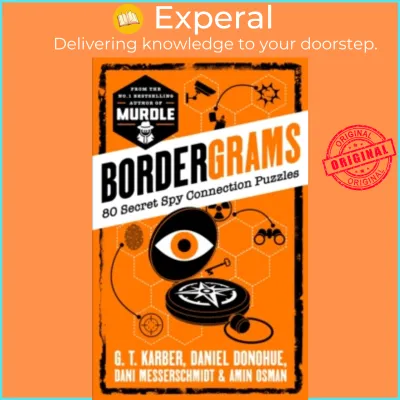
Prices are valid at publication and may change. Please refer to the product page for the latest price.
Next, consider the narrative style, pacing, and structural preferences that drive your engagement. Literary works can range from fast-paced, plot-driven stories that mirror the rapid tempo of urban environments to slow-burning, lyrical prose that prioritizes atmosphere and psychological depth. If you appreciated a non-linear timeline, multiple perspectives, or experimental formatting in your previous read, you will want to look for local authors who actively play with form and structure. Conversely, if you preferred a straightforward, chronological narrative that allows for deep character development, focusing on traditional storytelling methods will yield better matches.
Finally, analyze the setting and atmospheric elements that grounded the story. In high-quality local fiction, the environment is rarely a passive backdrop; instead, it acts as an active force that shapes the characters’ choices and emotional states. You might have been drawn to the humid, neon-lit streets of a bustling metropolis, the quiet nostalgia of older housing estates, or the sterile, transitional spaces of airports and border checkpoints. Identifying these environmental textures—whether they are hyper-realistic, nostalgic, or slightly surreal—helps you select books that recreate the exact sensory and emotional atmosphere you wish to experience again.
Matching Themes in Singaporean Fiction
Once you have identified the elements you enjoyed, you can begin matching them to the prominent themes that define contemporary Singaporean literature. One of the most vibrant subgenres in the local scene is contemporary urban life and social realism. These novels capture the unique pressures of living in a hyper-dense, highly competitive city-state, exploring the friction between material success and personal fulfillment. Characters in these stories often navigate the complexities of career demands, housing aspirations, and the subtle social hierarchies that govern daily life. If you are looking for a grounded, honest depiction of modern societal pressures, this subgenre offers a wealth of insightful narratives.

For readers interested in how the past shapes the present, historical fiction and heritage narratives provide a deep dive into the evolution of national and personal identity. These books often trace generational journeys, colonial legacies, and the rapid physical transformation of the local landscape from a bustling port to a modern metropolis. By exploring these historical contexts, local authors examine how communities are formed, how traditions are preserved or lost, and how individual identities are negotiated against the backdrop of rapid national development. This thematic focus is ideal if you want to explore the historical roots of contemporary cultural tensions.
If you are drawn to the more unconventional or boundary-pushing aspects of storytelling, the speculative and experimental fiction scene in Singapore offers highly imaginative landscapes. Local writers in this space frequently blend folklore, science fiction, or magical realism with distinct cultural nuances to create alternative realities or future projections. These cross-border narratives allow authors to address contemporary anxieties, technological advancements, and human relationships through a metaphorical lens, pushing the boundaries of traditional realism. Choosing books from this category will satisfy readers who appreciate creative world-building and philosophical inquiries.
Additionally, family dynamics and generational shifts remain a cornerstone of local storytelling, offering a deeply personal look at interpersonal relationships. These narratives frequently highlight the emotional undercurrents of domestic life, where traditional cultural values often clash with the individualistic desires of younger generations. By focusing on the quiet conflicts, unspoken expectations, and enduring bonds within families, these novels provide a highly relatable and emotionally resonant reading experience. If you enjoy intimate character studies that explore the complexities of love, duty, and inheritance, prioritizing family-centric dramas is an excellent path forward.
Building Your Personalized Reading Shortlist
With a clear understanding of these thematic categories, you can begin building a personalized reading shortlist by applying a structured selection framework. Start by filtering potential titles based on the author’s background and their thematic alignment with your interests. Many Singaporean writers bring unique professional or personal perspectives to their work—such as backgrounds in journalism, education, history, or the arts—which infuses their narratives with authentic details and specialized knowledge. Reading author profiles, interviews, and publisher descriptions can give you valuable insight into the creative intent behind a book, helping you determine if it aligns with your reading goals.
As you identify promising titles, it is essential to check the available publication formats and ensure compatibility with your preferred reading devices. While many book lovers cherish the tactile experience of a physical paperback, digital formats like e-books and audiobooks offer unmatched convenience, especially for reading on the go. If you choose to purchase digital editions, verify the file formats (such as EPUB) and check that they are compatible with your specific e-reader, tablet, or reading application. Sourcing digital files directly from authorized local publishers or reputable platforms ensures a seamless reading experience without formatting errors.
Another crucial step in building your shortlist is verifying content warnings, thematic maturity, and language editions to match your personal comfort levels. Local contemporary fiction often tackles challenging and sensitive subjects, including mental health, systemic inequality, and intense interpersonal conflict. To ensure an enjoyable and safe reading experience, review the book’s synopsis, publisher notes, or community-driven reading platforms for any relevant content advisories. Taking this step allows you to approach complex themes with the appropriate preparation and context.
Furthermore, pay close attention to language editions and translation details. Because Singapore is a multilingual society, some of its most compelling literature is originally written in Malay, Chinese, or Tamil. If a book on your shortlist is a translation, take a moment to verify the translator’s credentials and read any translator notes included in the edition. A high-quality translation preserves the cultural idioms, local slang, and emotional nuances of the original text, allowing you to fully appreciate the author’s voice in English while respecting the linguistic diversity of the local literary landscape.
Sourcing and Verifying Authentic Local Editions
Once your shortlist is complete, the final step is to source and purchase authentic copies of your chosen books. Navigating the local literary ecosystem involves knowing where to find these titles while actively supporting the authors and independent publishers who make them possible. While major international online marketplaces may carry some Singaporean literature, local independent bookstores and official publisher catalogs offer the most comprehensive and curated selections. When planning your purchases, budgeting roughly S$20 to S$30 per paperback is standard for high-quality local releases. Sourcing directly from these dedicated physical shops or browsing their official online storefronts not only guarantees you access to a wider range of local titles but also ensures that your purchase directly benefits the local creative economy.
When purchasing books online, always verify the International Standard Book Number (ISBN) and publication details to ensure you are getting the correct edition. This is particularly important for local fiction, which may undergo multiple print runs, cover redesigns, or minor textual revisions over time. Checking the publisher’s name and the publication date helps you avoid unauthorized reproductions, low-quality print-on-demand copies, or outdated editions that may lack supplementary content like author interviews or reading group guides. Verifying these details ensures a high-quality physical or digital product.
Additionally, learn to evaluate reader reviews for thematic alignment and content accuracy rather than relying solely on general star ratings. Standard rating systems on major platforms can be highly subjective and may not reflect the specific qualities you are looking for. Instead, seek out detailed, qualitative reviews on literary blogs, community reading sites, or local book clubs. Look for reviews that discuss the book’s pacing, prose style, and thematic depth, as this feedback will give you a much clearer picture of whether a title will truly appeal to you as a fan of ‘Bordergrams’.
Frequently Asked Questions (FAQ)
Are English translations available for originally non-English Singaporean novels?
Yes, a significant portion of Singapore’s rich literary heritage is written in Malay, Chinese, and Tamil, and many of these outstanding works have been officially translated into English. Local independent publishers actively champion these voices, frequently releasing high-quality English editions of celebrated vernacular novels. To find these translations, you can browse the dedicated translation series in local publisher catalogs or consult independent bookstore staff. When purchasing, always verify the translator’s credits on the title page and check the publisher’s notes to ensure the edition is complete, authorized, and accurately represents the original work.
How can I support local authors directly when buying their books?
The most direct way to support Singaporean authors is to purchase their books through official publisher storefronts, direct author sales at literary events, or local independent bookstores. These channels operate with fairer royalty structures, ensuring that a larger percentage of your purchase price directly supports the writers and the independent presses that publish them. Additionally, you should avoid downloading unauthorized digital copies or purchasing from unverified third-party sellers on general online marketplaces. Supporting legitimate distribution channels helps sustain the local literary ecosystem, enabling authors to continue producing high-quality work.
Community discussion
Share your experience or ask a question. Comments are reviewed before publication.