
Madeleine L’Engle’s A Wrinkle in Time has captivated readers for generations by blending cosmic scale with intimate, emotional truths. The story of Meg Murry, her brother Charles Wallace, and her friend Calvin O’Keefe traveling through tesseracts to rescue her father remains a touchstone for speculative fiction. For readers seeking that same sense of wonder, intellectual curiosity, and emotional depth, the Singaporean literary scene offers a rich and rapidly expanding landscape of science fiction and fantasy. While finding the perfect match requires navigating a unique market, understanding the core thematic pillars of speculative fiction and knowing where to look can lead you to extraordinary local stories that echo L’Engle’s masterpiece.
Singapore’s speculative fiction writers often draw upon the country’s unique position as a high-tech metropolis rooted in diverse cultural histories. This juxtaposition creates a fertile ground for stories that feel both futuristic and deeply ancient. By focusing on specific narrative elements, utilizing local literary infrastructure, and verifying book formats, you can discover captivating local novels that capture the imaginative spirit of classic cosmic adventures.
Matching Themes From A Wrinkle in Time
To find Singaporean speculative fiction that resonates with the spirit of A Wrinkle in Time, it helps to break down the specific narrative elements that gave L’Engle’s work its enduring appeal. By identifying these core themes, you can look for parallel structures in local writing that offer a similar emotional and intellectual experience.
Products mentioned in this guide
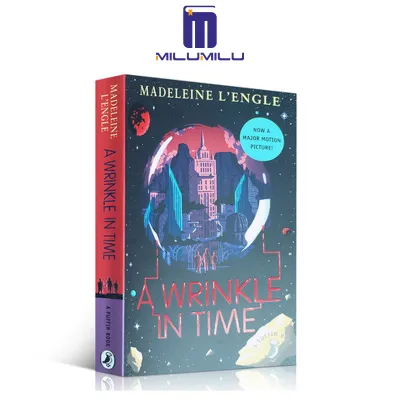
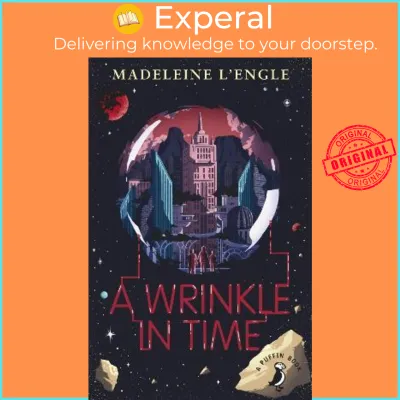
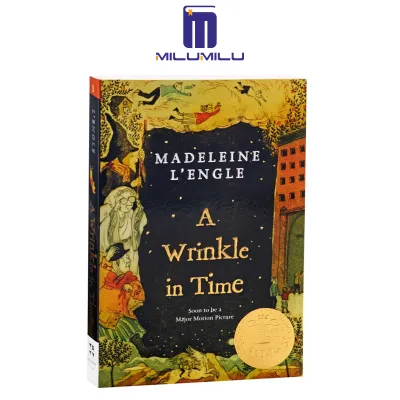
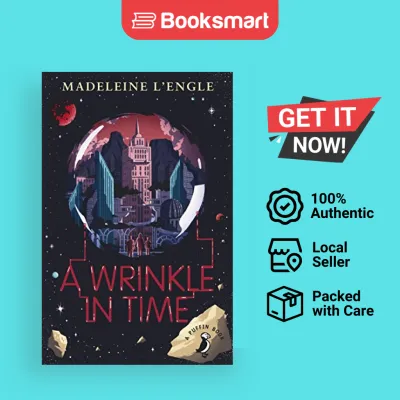
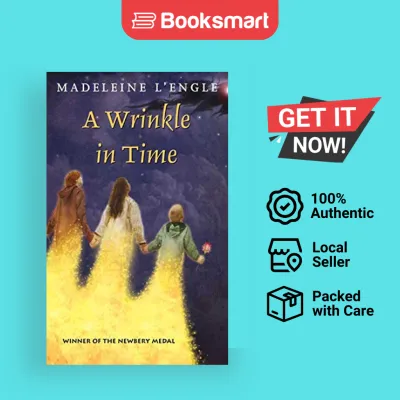
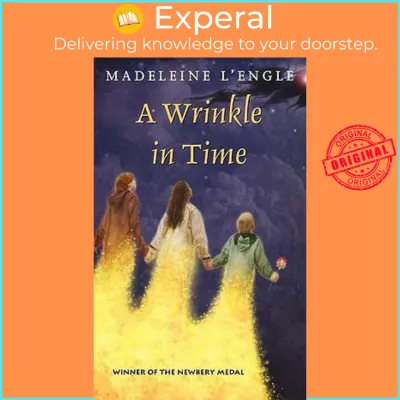
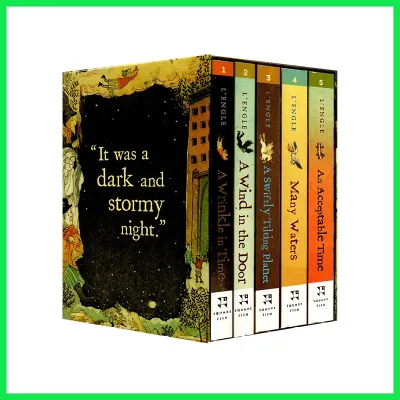
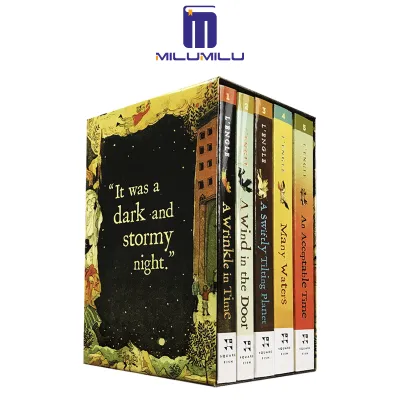
Prices are valid at publication and may change. Please refer to the product page for the latest price.
Coming-of-Age Journeys and Self-Discovery
At its heart, A Wrinkle in Time is a story about growing up and accepting one’s perceived flaws as unique strengths. Meg Murry’s journey is deeply personal, focusing on her struggles with self-worth, anger, and fitting into a world that does not understand her. In Singaporean speculative fiction, coming-of-age narratives often intersect with intense academic pressure, identity formation in a multicultural society, and the struggle to find individuality within a highly structured environment. Local authors frequently use speculative elements—such as magical realism, futuristic technology, or hidden supernatural realms—as metaphors for the internal conflicts of youth, offering readers a poignant look at characters finding their voice amidst societal expectations.
Multiverse and Dimensional Exploration
The concept of the tesseract, or wrinkling time, allowed L’Engle’s characters to step outside their known reality and explore strange, beautiful, and terrifying worlds. This sense of cosmic scale is highly prevalent in Singaporean science fiction and fantasy. Local writers often play with alternate histories of the island, parallel dimensions hidden behind everyday urban structures, or digital multiverses that mirror our physical reality. These stories invite readers to look at familiar landscapes, such as high-rise housing estates or historic neighborhoods, through a lens of infinite possibility, suggesting that extraordinary portals might exist just out of sight.
The Intersection of Science, Magic, and Folklore
L’Engle famously bridged the gap between quantum physics and spiritual or mystical concepts, creating a universe where science and magic coexist. Singaporean speculative fiction excels at a similar synthesis, often blending cutting-edge technological concepts like artificial intelligence, biotechnology, and cybernetics with rich Southeast Asian folklore. A story might feature characters navigating a highly advanced smart city while interacting with ancient spirits, or discovering that the laws of physics bend around local myths. This dialogue between the modern and the traditional provides a unique intellectual texture that fans of science-fantasy will find deeply satisfying.
Emotional Stakes Centered on Family and Friendship
Meg’s quest is driven entirely by love—specifically, her desire to rescue her father and protect her brilliant younger brother. The emotional core of the story is grounded in family bonds and the loyalty of close friends. Similarly, Singaporean speculative fiction heavily emphasizes family dynamics, filial piety, and generational relationships. Whether dealing with ancestral secrets, family curses, or futuristic societal shifts, the protagonists in these novels are often motivated by a deep sense of responsibility to their loved ones. The chosen families formed through shared struggles are central to these narratives, mirroring the tight-knit bond between Meg, Charles Wallace, and Calvin.
Where to Discover Singaporean Speculative Fiction
Finding local speculative fiction requires knowing where to look, as these books may not always occupy the most prominent shelves in global chain bookstores. Fortunately, Singapore has a robust literary ecosystem with dedicated channels designed to help readers discover local voices.

Searching Literary Award Shortlists
One of the most reliable ways to find high-quality Singaporean speculative fiction is to consult local literary award shortlists and past winners. The Singapore Literature Prize (SLP), organized by the Singapore Book Council, features categories for English fiction that frequently include outstanding speculative works. Reviewing these shortlists allows you to identify books that have been recognized for their literary merit, depth of characterization, and innovative world-building. These curated lists are excellent starting points for readers who appreciate the intellectual and emotional complexity of classic speculative novels.
Browsing Curated Independent Bookstores
Independent bookstores in Singapore are vital champions of local literature. Unlike larger retail chains, independent shops often dedicate prominent shelf space to local authors and have staff who are deeply passionate about the local writing scene. Visiting these stores in cultural hubs or historic districts allows you to browse dedicated “Singapore Collection” sections. The booksellers can offer personalized recommendations based on your specific interests, guiding you toward indie sci-fi or fantasy titles that match the cosmic or coming-of-age themes you enjoy.
Exploring Local Publisher Catalogs
Several independent publishers in Singapore specialize in nurturing and promoting local voices. Exploring the online catalogs of publishers such as Epigram Books, Ethos Books, and Math Paper Press can reveal a wealth of speculative fiction that might not be widely distributed internationally. These publishers often categorize their books by genre, making it easy to find science fiction anthologies, fantasy trilogies, or magical realist novels. Buying directly from publisher websites also ensures that you are supporting the local literary infrastructure that makes these unique stories possible.
Utilizing National Library Catalogs
Singapore’s National Library Board (NLB) offers an extensive network of public libraries with a comprehensive collection of local literature. Using the NLB mobile application or physical catalog search terminals, you can filter your searches to the “Singapore Collection” and use genre-specific keywords such as “science fiction,” “fantasy,” or “speculative fiction.” This is an excellent, cost-effective way to explore a wide variety of local authors, borrow e-books or physical copies, and discover which writing styles and themes resonate most with you before committing to a purchase.
What to Verify Before Buying or Borrowing
Once you have identified a potential Singaporean speculative fiction novel, taking a few moments to verify specific details will ensure that the book meets your expectations regarding format, language, and content suitability.
Language, Edition, and Translation Status
While English is one of the primary languages of instruction and literature in Singapore, the local literary scene is multilingual. Some speculative works are originally written in Malay, Tamil, or Chinese and subsequently translated into English. When selecting a book, verify whether you are purchasing the original text or a translation, as this can influence the narrative style. Additionally, Singaporean English literature often incorporates elements of Singlish or local colloquialisms. Checking if the book includes a glossary or contextual notes can be helpful if you are unfamiliar with local terms and want to fully appreciate the cultural nuances of the dialogue.
Device Compatibility and File Formats
If you prefer reading digitally, it is important to check the file formats and digital rights management (DRM) restrictions of the e-books you purchase or borrow. Ensure that the digital files are compatible with your specific e-reader, tablet, or smartphone application. For instance, if you borrow e-books through the NLB using platforms like Libby or OverDrive, verify that your e-reader supports these services. When purchasing directly from local publishers, check whether they provide standard EPUB files or if their digital editions require specific reading applications.
Content Advisories and Age-Appropriateness
While A Wrinkle in Time is a classic middle-grade novel accessible to younger readers, Singaporean speculative fiction spans a wide range of target audiences, from young adult to mature fiction. Some local works explore darker themes, political allegories, or intense psychological horror derived from regional folklore. Before purchasing a book for a younger reader, review the publisher’s age recommendations, read online synopsis details, or consult reader reviews to ensure the content matches the reader’s maturity level and reading preferences.
Regional Availability and Retail Costs
Local paperbacks in Singapore typically retail between S$15 and S$30, depending on the publisher, page count, and edition format. Before finalizing a purchase, verify the book’s availability, especially if you are ordering from outside Singapore. Some local titles may have limited print runs or restricted international distribution, which can significantly affect shipping costs and delivery times. Checking with local independent bookstores or ordering directly from the publisher’s website is often the most reliable way to secure a copy while ensuring fair pricing.
Frequently Asked Questions (FAQ)
Are there local sci-fi books suitable for middle-grade readers?
Yes, Singapore has a growing selection of speculative fiction written specifically for middle-grade and young adult audiences. To find these books, look for dedicated children’s or young adult imprints from local publishers. You can also consult children’s librarians at public libraries, who can recommend age-appropriate titles that feature imaginative world-building, cosmic adventures, and relatable coming-of-age themes without overly mature content.
How can I support local authors directly?
The most direct way to support Singaporean writers is to purchase their books from independent local bookstores or directly from the publishers’ official websites, as this ensures a larger portion of the proceeds goes back to the creators and the local literary ecosystem. Additionally, attending local literary events, such as book launches, author talks, or the annual Singapore Writers Festival, allows you to engage with the community, discover new releases, and support authors by purchasing signed copies of their work.

Community discussion
Share your experience or ask a question. Comments are reviewed before publication.