
Choosing between a soft gig bag and a hard case for your ukulele is a critical decision for protecting your instrument. The right choice depends on how you travel, where you store your ukulele, and the level of physical and environmental protection your instrument requires. While a soft gig bag offers exceptional lightweight convenience and easy portability for casual players on the move, a hard case provides a rigid shield against heavy impacts, crushing forces, and rapid climate shifts. Balancing these factors ensures your ukulele remains safe, in tune, and ready to play.
Assess Your Daily Commute and Travel Habits
Evaluating your daily routine and how you transport your instrument is the first step in making an informed decision. If your typical journey involves walking to local music meetups, boarding crowded MRT trains, or navigating busy bus interchanges, portability and physical footprint are critical. A lightweight soft gig bag equipped with adjustable backpack straps allows you to keep your hands free for other essentials. This hands-free convenience significantly reduces physical fatigue during long walks or standing commutes, making it highly practical for active, mobile musicians.
Conversely, if you travel primarily by private car or taxi, a hard case becomes much more manageable. While a hard case is heavier and must be carried by a single side handle, it can be safely placed in a car boot or on a backseat without the risk of other items shifting and crushing the instrument. For those who commute in private vehicles, the extra weight is less of a daily burden, and the peace of mind offered by a rigid exterior outweighs the loss of backpack straps.
Products mentioned in this guide
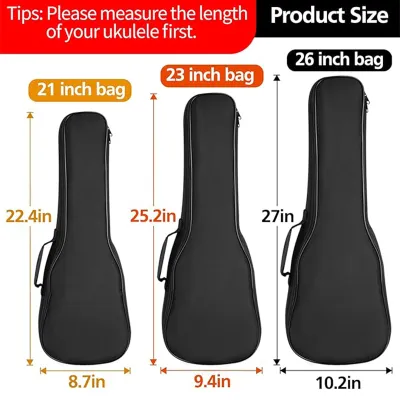
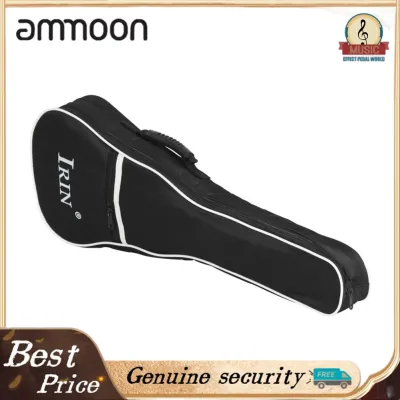
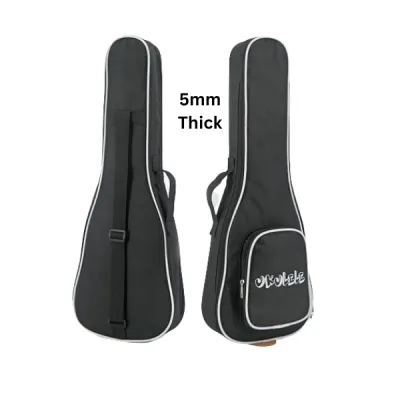
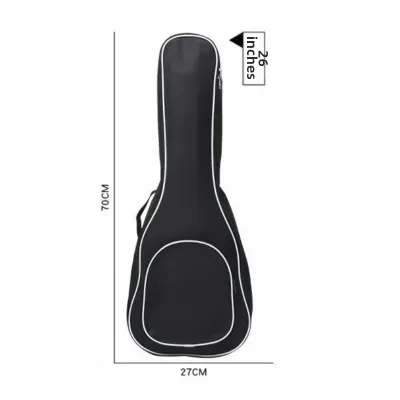
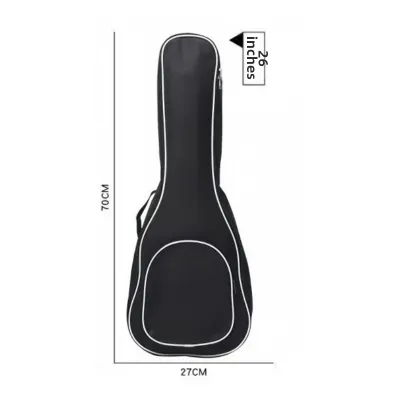
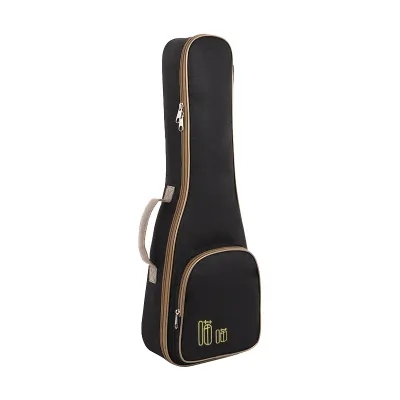
Prices are valid at publication and may change. Please refer to the product page for the latest price.
For frequent flyers, transport rules and cabin space add another layer of complexity. Airline carry-on restrictions are strict, and overhead bins can fill up quickly on regional flights. A soft gig bag is often easier to squeeze into tight overhead compartments or under the seat in front of you, provided the airline staff permits it as a personal item. However, if you are forced to gate-check your instrument due to a full flight, a soft bag offers virtually no protection against the rough handling of airport baggage systems. In these travel scenarios, a sturdy hard case is a far safer investment to prevent catastrophic neck snaps or body cracks.
Evaluate Your Storage Conditions and Handling Risks
Beyond active travel, where and how you store your ukulele at home or at your destination plays a major role in its longevity. Physical hazards exist even in quiet indoor environments. If you live in a busy household with children, pets, or limited storage space, your instrument faces constant risks of being knocked over, stepped on, or buried under heavier items. A hard case acts as a structural vault, absorbing the impact of accidental drops and preventing the body of the ukulele from cracking under external pressure.

Environmental factors are equally critical, particularly in tropical climates like Singapore, where high humidity and sudden temperature changes are common. Wood is a natural, hygroscopic material that expands and contracts in response to moisture levels in the air. If you frequently move your ukulele between hot, humid outdoor environments and cool, air-conditioned rooms, the rapid shifts can warp the neck, lift the bridge, or cause the wood to split. A well-sealed hard case creates a microclimate that slows down these environmental transitions, offering a buffer zone that protects the delicate timber.
Soft gig bags, while breathable, offer very little insulation against humidity fluctuations. If your ukulele is made of laminate wood, it is naturally more resilient to climate changes, making a soft bag a perfectly acceptable storage option in a stable indoor environment. However, if you own a high-end, solid-wood instrument, storing it in a sealed hard case is highly recommended to maintain structural integrity. Leaving an expensive solid-wood ukulele exposed on a stand or inside a thin fabric bag can lead to costly repairs over time.
Compare Soft Gig Bags and Hard Cases Across Key Dimensions
To make an informed choice, it is helpful to compare these two storage options across three primary performance areas: protection, portability, and accessory storage.
| Feature | Soft Gig Bag | Hard Case |
|---|---|---|
| Impact Resistance | Low to moderate (depends on foam thickness) | High (rigid outer shell) |
| Portability | High (lightweight, backpack straps) | Moderate (heavier, single handle) |
| Accessory Storage | High (multiple zippered pockets) | Low (small internal compartment) |
| Climate Protection | Minimal (breathable fabric) | High (sealed, insulated shell) |
Impact resistance is the most obvious differentiator. Hard cases feature a molded outer shell made of wood, fiberglass, or ABS plastic, lined with dense foam and plush fabric. This rigid structure distributes external forces away from the instrument. Soft gig bags rely on varying thicknesses of internal foam padding—usually ranging from 5mm to 25mm—encased in nylon or polyester fabric. While a high-quality padded bag can absorb minor bumps and scratches, it cannot prevent the instrument from being crushed if a heavy object is placed on top of it.
Portability and ease of carrying represent the trade-off for that structural protection. A soft gig bag is exceptionally light, often weighing less than a kilogram, and its dual shoulder straps distribute the weight evenly across your back. This makes it a popular option for students, buskers, and casual players who walk long distances. A hard case, with its solid construction and metal latches, can easily double or triple the carrying weight, and carrying it by a single handle for extended periods can strain your hand and wrist.
Accessory storage is another area where soft gig bags excel. Most gig bags feature large, zippered exterior pockets designed to hold sheet music, clip-on tuners, spare strings, capos, and cleaning cloths. Hard cases, due to their molded design, offer very limited storage. Most hard cases only feature a small internal compartment under the neck cradle, which can barely fit a tuner and a spare set of strings. If you need to carry music books or larger accessories, choosing a hard case means you will likely need to carry an additional personal bag.
Verify Size Compatibility and Internal Support
Once you decide on the type of protection you need, you must ensure the bag or case fits your specific ukulele. Ukuleles come in four primary sizes: soprano, concert, tenor, and baritone. However, relying solely on these generic labels can lead to a poor fit, as body shapes, neck lengths, and headstock designs vary significantly between brands. Always measure your instrument’s overall length, upper bout, lower bout, and body depth, and compare these measurements against the internal dimensions provided by the manufacturer.
A proper fit is essential for effective protection. Inside the case or bag, the ukulele should remain snug and secure without shifting from side to side or sliding up and down. Look for designs that feature a dedicated, padded neck cradle or a hook-and-loop strap to secure the neck in place. This support prevents the headstock from hitting the top or sides of the case during transit, which is a common cause of broken tuning pegs and cracked necks. There should also be adequate clearance for the bridge and strings so that the lid or zipper does not press down directly on them.
Finally, inspect the closure mechanisms carefully. For soft gig bags, high-quality, heavy-duty zippers are crucial, as cheap zippers can easily split or catch on the fabric. Ensure the zipper path is lined with a protective fabric flap to prevent the metal teeth from scratching the ukulele’s finish when opening or closing the bag. For hard cases, check that the metal latches align perfectly and close securely without requiring excessive force. If you plan to travel internationally, look for cases with TSA-approved locks to secure your instrument while complying with airport security standards.
Frequently Asked Questions (FAQ)
Can I use a soft gig bag for checked luggage on a flight?
No, you should never check a ukulele in a soft gig bag as cargo luggage. The cargo hold of a commercial airplane is a high-risk environment where heavy suitcases are stacked, shifted, and subjected to extreme physical impacts. A soft gig bag offers zero structural resistance against these crushing forces, and your instrument is at high risk of arriving damaged. If you must check your ukulele, you should use a heavy-duty, flight-rated hard case with a rigid shell and secure latches. Whenever possible, try to bring your ukulele into the cabin as a carry-on item, keeping it safely stored in the overhead bin where you can monitor its handling.
Do I need a humidifier inside my ukulele case?
Whether you need a humidifier depends on your local climate and the materials used to build your ukulele. In dry climates or air-conditioned rooms where the relative humidity drops below 40%, solid-wood ukuleles can dry out, leading to wood shrinkage, fret buzzing, and cracks. In these conditions, using a small, two-way humidity control pack inside a sealed hard case is highly beneficial to maintain a stable environment. However, in naturally humid regions like Singapore, the risk is often excess moisture rather than dryness, which can soften wood glues and warp the instrument. In highly humid environments, silica gel packs or dehumidifying packs inside a closed hard case are more appropriate than humidifiers. Soft gig bags are too breathable to maintain a controlled microclimate, so active humidity control is only effective when using a well-sealed hard case.
Community discussion
Share your experience or ask a question. Comments are reviewed before publication.