
Practicing music at home is a deeply rewarding pursuit, but doing so in a high-density environment like a Singapore Housing & Development Board (HDB) flat presents distinct challenges. With shared concrete walls, floors, and ceilings, sound travels easily between units, often leading to friction with neighbours. Finding the right soundproof panel setup is essential to dampening your instrument’s volume and keeping the peace.
While many musicians purchase surface-mounted panels hoping for absolute silence, the reality of acoustics in compact apartments requires a more nuanced strategy. Reducing noise transmission successfully involves understanding how sound moves through your specific space and combining different treatment methods. By selecting the correct materials and addressing structural vulnerabilities, you can create a highly functional practice environment that respects your neighbours’ quiet hours.
Soundproofing vs. Acoustic Treatment: Managing Expectations in HDB Flats
To avoid costly mistakes, you must first understand the difference between acoustic treatment and true soundproofing. Acoustic treatment focuses on managing the sound inside the room. Materials like lightweight polyurethane foam or standard polyester fibre panels absorb mid-to-high frequency reflections, reducing flutter echo and making your instrument sound cleaner to your ears. However, these lightweight materials do not stop sound from escaping the room.
Products mentioned in this guide


![[Slatwall]🌳 600x600mm - 1pc Sound Proof Acoustic Panel Self-Adhesive Studio Office Home Wall Karaoke Restaurant](https://img.lazcdn.com/g/p/b314f78fb4f8b4431272aadf02da4498.jpg_400x400q80.jpg_.webp)
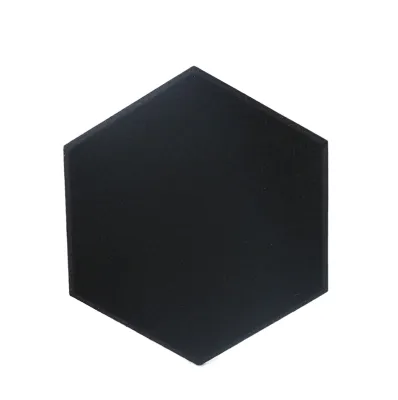
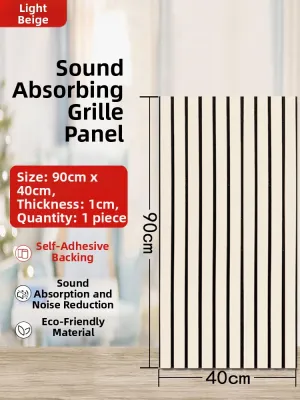
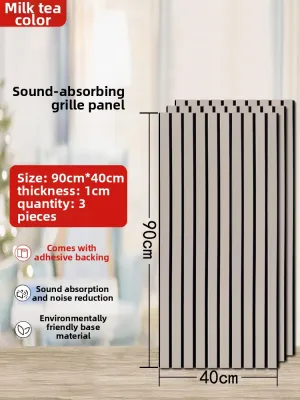
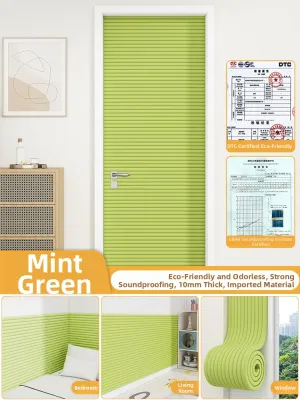
Prices are valid at publication and may change. Please refer to the product page for the latest price.
True soundproofing, on the other hand, is the process of blocking sound from entering or leaving a space. This requires density, mass, and structural decoupling. Sound waves are physical vibrations; when they hit a shared concrete wall in an HDB flat, they travel through the solid structure as impact noise, vibrating directly into your neighbour’s living room. Lightweight panels lack the physical mass required to stop these powerful low-frequency and mid-frequency vibrations.
Therefore, a realistic approach for an apartment or HDB flat does not rely on a single magic product. Instead, it combines high-density acoustic panels to lower the ambient noise level inside your room with targeted mass-addition and gap-sealing techniques. This multi-layered strategy ensures that the sound escaping through air gaps and shared walls is significantly minimized, even if absolute 100% sound isolation remains structurally impossible without professional renovation.
Choosing the Right Panels Based on Your Instrument and Noise Profile
Every musical instrument produces a unique acoustic footprint. High-pitched vocals require a completely different mitigation strategy than a heavy bass guitar or a drum kit. Matching your soundproofing and treatment choices to your specific instrument prevents wasted expenditure and yields the best noise-reduction results.

Vocals, Acoustic Guitars, and Woodwinds
These performance types generate airborne, mid-to-high frequency sound waves. Because these waves have shorter wavelengths, they are relatively easy to manage using high-density acoustic panels.
- Material Recommendations: Opt for high-density polyester fibre panels (at least 150 kg/m³) or fabric-wrapped fibreglass panels. These materials have a high Noise Reduction Coefficient (NRC), meaning they absorb a large percentage of the sound energy that strikes them.
- Strategic Placement: Mount these panels at "first reflection points"—the areas on the walls directly to your left and right when you are performing. Additionally, place panels directly behind your microphone or music stand to catch direct vocal projection before it strikes the wall.
- Volume Control: By absorbing these reflections, you lower the overall ambient volume inside the room, which naturally reduces the amount of sound pressure pushing against your door and windows.
Electric Guitars, Synths, and Amplified Instruments
Amplified instruments present a double challenge: they produce direct airborne sound from speaker cones and structural vibrations from amplifier cabinets resting on the floor.
- Decoupling First: Before addressing the walls, you must isolate your amplifier or studio monitors from the floor and desk. Use high-density rubber-and-foam hybrid isolation pads beneath your gear. This prevents the speaker's physical cabinet vibrations from turning your floor into a massive soundboard.
- Thicker Wall Panels: Use thicker panels (at least 50mm to 100mm) filled with dense mineral wool or rockwool behind your amplifier. These thick, heavy panels are much more effective at absorbing the dense mid-range frequencies projected by guitar speakers.
- Directional Aiming: Angle your amplifier away from shared party walls. Pointing the speaker toward an internal wall or a heavy wardrobe helps diffuse the sound before it reaches a neighbour's boundary.
Drums, Percussion, and Bass-Heavy Instruments
Low-frequency sound waves from bass guitars, kick drums, and percussion are incredibly long and powerful. They travel effortlessly through solid concrete structures, bypassing standard wall-mounted panels entirely.
- The Structural Challenge: Standard acoustic foam or thin polyester panels have virtually zero effect on low-frequency bass hums or the physical thud of a drum pedal. These vibrations require structural decoupling to stop.
- Mass-Loaded Vinyl (MLV): For serious bass management, you may need to hang heavy Mass-Loaded Vinyl sheets behind your acoustic panels. MLV adds limp, dense mass to the wall, which actively dampens low-frequency energy.
- Electronic Alternatives: If you live in a typical HDB flat, consider practicing on an electronic drum kit placed atop a DIY "tennis ball riser" or thick industrial rubber mats. This decoupling platform stops the physical impact of the kick pedal from vibrating down through the floorboards into the unit below.
Key Features to Check Before Buying Soundproof Panels
When browsing online marketplaces or local music specialty stores in Singapore, do not be misled by cheap, highly sculpted foam panels. To find panels that actually perform well in a compact residential space, check these critical specifications.
- Density and Mass: Always look for the density rating rather than just the thickness. High-density materials (such as 96kg/m³ mineral wool or high-spec polyester) are far superior at absorbing sound than cheap, airy polyurethane foam. If a manufacturer does not list the density or weight per square metre, the product is likely too light to provide meaningful sound isolation.
- Fire Safety Certifications: Safety is paramount in enclosed, compact HDB bedrooms. Ensure any panel you purchase carries a verified fire-retardant certification (such as Class A or Class 1 under local safety standards). Avoid cheap, uncertified acoustic foams, which can be highly flammable and produce toxic smoke if exposed to heat or electrical faults.
- Renter-Friendly Installation: If you are renting your flat, permanent industrial adhesives will ruin the paintwork and plaster, costing you your security deposit. Look for lightweight panels that can be hung using non-destructive methods, such as heavy-duty hook-and-loop tape applied over painter's tape, or invest in freestanding acoustic baffles (gobos) that stand on the floor and can be packed away easily.
- Aesthetics and Space Constraints: Compact HDB bedrooms can quickly feel claustrophobic if covered in dark, industrial-looking foam. Consider fabric-wrapped panels or modern wooden-slat acoustic panels that double as home decor. Many suppliers offer customizable colours or printed designs that blend seamlessly with your living space.
Maximising Noise Reduction: Sealing Gaps and Adding Mass
Sound behaves much like water; it will find and escape through the smallest structural gaps. Even if you cover your walls in premium acoustic panels, noise will pour out of your room if you do not seal the physical leaks.
- Seal the Door Gaps: Hollow-core wooden doors standard in many HDB flats are major weak points. Install dense, self-adhesive silicone weatherstripping around the door frame to create an airtight seal when closed. Add a heavy, sweep-style draft stopper or a drop-down seal to the bottom of the door to close the gap above the floor.
- Utilise Heavy Furniture: You can add substantial, cost-free mass to your shared walls by rearranging your room. Place large, heavy wooden wardrobes or fully loaded bookshelves directly against the wall shared with your neighbour. The dense wood and paper act as a natural barrier, absorbing and diffusing sound waves before they hit the concrete.
- Install Floor Underlays: If you practice standing up or use foot pedals, place a thick, high-density rubber gym mat over your practice area. Cover this with a thick, high-pile rug. This simple addition absorbs impact noise from your feet and instruments, protecting the ceiling of the family living downstairs.
Frequently Asked Questions (FAQ)
Do I need HDB approval to install soundproof panels?
No, you do not need HDB approval to install temporary, surface-mounted acoustic panels, foam, or hanging fabric baffles. These are considered cosmetic, non-structural additions. However, if you plan to build a permanent, heavy-duty soundproofing structure—such as installing a secondary drywall layer with resilient channels, or pouring a floating concrete floor—you must consult a registered renovation contractor and check if the works require a formal HDB renovation permit.
Will soundproof panels completely block my neighbours from hearing my music?
No surface-mounted panel can guarantee 100% silence, particularly in standard HDB flats where structural walls are shared. High-quality panels will significantly lower the volume of mid-to-high frequencies (like vocals and acoustic guitars) escaping your room, making them sound like a distant murmur rather than a distraction. However, low-frequency bass notes and physical impacts (like drum pedal stomping) will still travel through the concrete structure unless you decouple your instruments from the floor.
Can I install soundproof panels if I am renting my HDB flat?
Yes, you can easily treat a rented room without damaging the property. Avoid liquid nails, spray adhesives, or heavy-duty mounting glue. Instead, apply high-quality painter’s tape to the wall first, then stick double-sided mounting tape to the painter’s tape; this allows you to peel everything off cleanly when your lease ends. Alternatively, you can use freestanding acoustic panels on stands, or lean heavy fabric-wrapped panels against the walls, both of which can be packed up and moved to your next home.
Community discussion
Share your experience or ask a question. Comments are reviewed before publication.