
To set up a successful music practice room, you must first identify whether your primary challenge is keeping sound from traveling through walls or fixing the echo inside the room itself. If your neighbors complain about your late-night practice sessions, you need soundproofing to block sound transmission. If your instrument sounds muddy, blurred, or drowned out by a harsh flutter echo within the room, you need acoustic treatment to manage reflections. Confusing these two concepts often leads to frustration and wasted budgets on materials that cannot perform the task at hand.
Soundproof Panels vs. Acoustic Panels: The Core Difference
Understanding the physical behavior of sound is essential before purchasing any treatment or isolation materials. Soundproofing is the process of preventing sound from entering or leaving a space. This requires blocking sound energy, which can only be achieved through three main principles: adding dense mass to walls, decoupling structures to stop vibrations, and sealing air gaps where sound can leak. True soundproofing materials are heavy, dense, and structurally integrated into the room’s design.
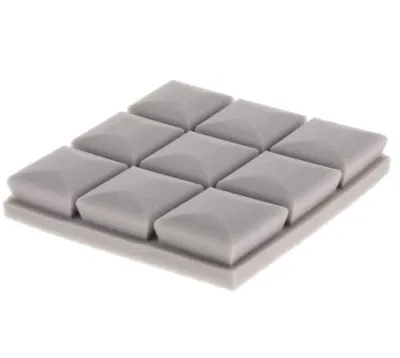
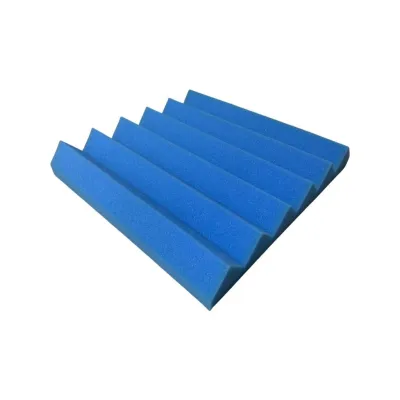
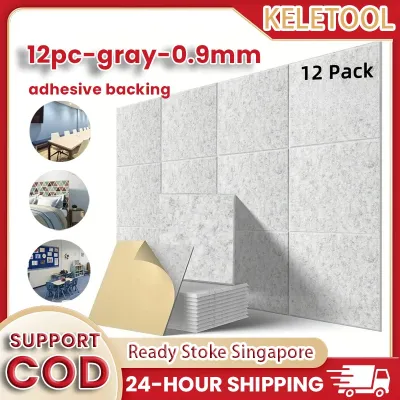
Acoustic treatment, on the other hand, focuses entirely on controlling sound reflections within a single room. When you play an instrument, sound waves bounce off hard surfaces like concrete walls, glass windows, and tiled floors. Acoustic panels are designed to absorb or diffuse these reflections, reducing reverberation and making the room sound clearer. These panels are typically lightweight, porous, and mounted directly onto the surface of existing walls.
Products mentioned in this guide




Prices are valid at publication and may change. Please refer to the product page for the latest price.
A common misconception among musicians is that sticking lightweight polyurethane foam panels on a wall will stop sound from escaping. In reality, these thin foam tiles only absorb high-frequency reflections inside the room. They lack the physical mass required to block sound waves, meaning loud instruments like drums, brass, or amplified bass will pass through them and the wall almost completely unaffected.
Signs Your Room Needs Soundproof Panels
If your primary goal is to maintain peace with the outside world, soundproofing is your starting point. The most obvious indicator that you need soundproofing is receiving noise complaints from family members, housemates, or neighbors. In high-density living environments, such as apartments or condominiums with shared walls and floors, structural vibrations transmit easily, making sound isolation a necessity for loud practice sessions.

Another clear sign is when external noises constantly disrupt your practice, recording, or concentration. If you can clearly hear passing traffic, construction work, or conversations from the next room, your space lacks sufficient isolation. Sound travels both ways; if external noise easily enters your room, your musical performances are just as easily escaping into the surrounding environment.
You also need to consider soundproofing if your musical routine demands high volumes or unusual hours. If you practice on an acoustic drum kit, play brass instruments, or use high-gain guitar amplifiers, the sheer decibel level will inevitably penetrate standard residential walls. Similarly, if your only free time to practice is late at night, you cannot rely on low ambient noise levels to mask your playing, making physical sound isolation essential.
Signs Your Room Needs Acoustic Panels
Even if your room is perfectly isolated from the outside world, it may still sound terrible on the inside. You need acoustic panels if you experience a noticeable echo, a ringing flutter, or a “muddy” buildup of frequencies when you play. In a room with bare walls and hard floors, sound waves bounce back and forth rapidly, creating a chaotic acoustic environment that distorts the true tone of your instrument.
Another indicator is the inability to hear fine details, nuances, or specific frequencies while practicing or mixing. If your bass notes sound boomy and overwhelming in one corner but completely disappear in another, your room is suffering from standing waves. Acoustic panels, particularly thick bass traps placed in corners, help balance these frequencies so you can hear an accurate representation of your music.
Poor recording quality is also a classic sign that your room needs internal treatment. If your recorded vocals or acoustic instruments sound distant, hollow, or washed out by room reverb—even when you place the microphone very close to the source—the mic is capturing too many early reflections from the surrounding walls. Installing absorption panels at key reflection points will dry up the signal and deliver a much cleaner, professional recording.
Do You Need Both for Your Practice Room?
For many musicians, the ideal practice space requires a combination of both soundproofing and acoustic treatment, though they serve completely different functions. A room that is structurally soundproofed is essentially an airtight box with dense walls. While this keeps the sound from escaping, it actually worsens the internal acoustics because all the sound energy is trapped inside, bouncing off the hard, dense boundaries.
Consequently, if you invest in building a highly isolated room, you must also install acoustic panels to manage the trapped sound waves. Without absorption, the room will sound incredibly harsh, boomy, and uncomfortable to play in. Conversely, covering your walls with beautiful acoustic panels will do nothing to stop your neighbors from hearing your music if the underlying wall structure lacks mass and proper seals.
When working with a limited budget, it is crucial to prioritize based on your most urgent problem. If you live in a shared apartment building where playing your instrument risks immediate complaints, you must address sound isolation first, even if it means starting with basic, localized isolation solutions. If neighbor complaints are not an issue but you cannot get a clear mix or a clean recording, you should direct your entire budget toward high-quality acoustic panels and bass traps.
Action Plan: Diagnosing and Upgrading Your Space
Before spending money on expensive panels, conduct a simple diagnostic assessment of your room. Start by performing a listening test: stand in the center of the room, clap your hands loudly, and listen for a metallic ringing or a prolonged echo. If you hear a distinct flutter, your room needs absorption panels. Next, play your instrument at a normal volume while a friend stands outside the closed door and in adjacent rooms to identify exactly where the sound is leaking.
Most sound leaks occur through air gaps rather than directly through solid walls. Check the perimeter of your doors and windows for gaps; if air can pass through, sound will too. Installing heavy-duty weather stripping around door frames and placing a dense draft excluder at the bottom of the door can significantly reduce sound transmission for a very low cost. These simple, reversible steps should always be completed before attempting more complex structural changes.
For internal acoustic treatment, focus on strategic placement rather than covering every square inch of your walls. Start by placing absorption panels at the “first reflection points”—the areas on the side walls directly between your instrument or speakers and your ears. Additionally, installing thick porous absorbers or bass traps in the vertical corners of the room will help tame low-frequency buildup, which naturally accumulates where walls meet.
If your diagnostic test reveals that sound is traveling directly through the walls or ceiling, lightweight panels will not solve the problem. Achieving significant sound isolation in a residential building often requires professional structural intervention, such as building a decoupled “room within a room,” adding resilient channels, or installing double layers of dense drywall separated by damping compounds. If you rent your home or have structural limitations, consult a qualified contractor to explore safe, compliant, and reversible isolation options.
Frequently Asked Questions (FAQ)
Will hanging heavy blankets or carpets soundproof my room?
No, heavy blankets, duvets, and carpets cannot soundproof a room. While they may absorb some high-frequency reflections and slightly reduce the echo inside the room, they lack the dense mass required to block sound waves from passing through walls. Low and mid-range frequencies, such as the thud of a bass drum or the resonance of a male voice, will pass through soft household fabrics with virtually no resistance.
Can I install soundproof panels myself in a rented apartment?
True soundproofing panels and materials, such as mass-loaded vinyl or double drywall, are heavy and typically require permanent structural installation, which is rarely permitted in rented properties. However, you can easily install lightweight acoustic panels using damage-free adhesive strips or by mounting them on free-standing frames. For temporary sound isolation, focus on non-destructive methods like sealing door gaps with removable weather stripping or using heavy, acoustic-rated curtains over windows.
Community discussion
Share your experience or ask a question. Comments are reviewed before publication.