
If your neighbors are complaining about the noise from your drum kit or guitar amplifier, you need soundproofing solutions to block sound transmission. If your recordings sound muddy, echoey, or hard to mix, you need acoustic treatment panels to control sound reflections inside the room. Confusing these two concepts is a common and expensive mistake musicians make when setting up a practice space.
Many products sold online as “soundproofing panels” are actually lightweight acoustic foam. These products are designed to improve the sound quality inside a room, but they have virtually no ability to stop sound from escaping. Understanding the physical differences between blocking sound and shaping sound will save you time, money, and frustration.
To build an effective music practice room, you must first diagnose the specific audio challenges of your space. This guide will help you identify whether your room requires structural soundproofing, surface-level acoustic treatment, or a strategic combination of both.
Products mentioned in this guide


![[Slatwall]🌳 600x600mm - 1pc Sound Proof Acoustic Panel Self-Adhesive Studio Office Home Wall Karaoke Restaurant](https://img.lazcdn.com/g/p/b314f78fb4f8b4431272aadf02da4498.jpg_400x400q80.jpg_.webp)
Prices are valid at publication and may change. Please refer to the product page for the latest price.
The Core Difference: Blocking Sound vs. Shaping Sound
Sound is a mechanical wave of energy that travels through the air and solid structures. When a sound wave strikes a wall, some of its energy bounces back into the room, some is absorbed by the wall material, and the rest passes through to the other side. Managing these three behaviors requires entirely different materials and techniques.
Soundproofing, or sound isolation, is a structural approach designed to prevent sound from entering or leaving a room. This process targets the sound energy that would otherwise transmit through walls, ceilings, floors, doors, and windows. Effective soundproofing relies on heavy, dense materials to reflect or absorb the kinetic energy of the sound wave, along with structural decoupling to prevent vibrations from traveling through solid framing.
Acoustic treatment, which includes absorption and diffusion, is a surface-level approach designed to manage the sound waves that remain inside the room. Instead of stopping sound from escaping, acoustic treatment controls reflections to prevent echo, flutter echo, and frequency buildup. This process uses porous, lightweight materials to trap sound waves and convert their energy into trace amounts of heat.
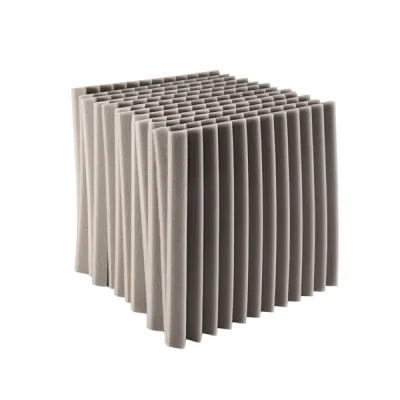
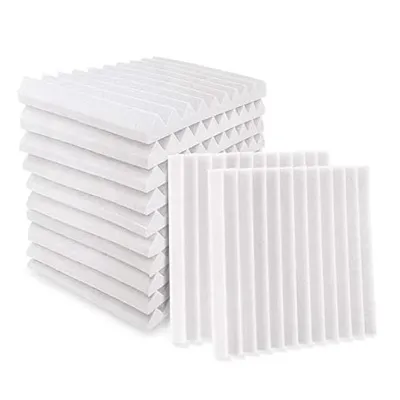
The common consumer misconception that lightweight foam panels can block sound stems from misleading product marketing. While a thin foam panel can reduce high-frequency reflections within a room, it lacks the mass required to stop sound waves from passing through a wall. To block sound, you need density and mass; to shape sound, you need porosity and absorption.
Signs You Need Soundproofing Solutions
The most obvious sign that you need soundproofing is when your music practice interferes with the lives of others. If family members in adjacent rooms or neighbors in nearby units can clearly hear your instrument, you have a sound transmission problem. Similarly, if you can hear street traffic, household appliances, or footsteps from upstairs while trying to practice, your room lacks adequate isolation.

Sound travels through two primary pathways: airborne and structure-borne. Airborne sound travels through the air and escapes through gaps, cracks, and thin barriers, such as the space under a door or a single-pane window. Structure-borne sound occurs when physical vibrations from an instrument, like a drum kit or a bass amplifier, travel directly into the floor and walls, turning the entire building structure into a giant speaker.
Sticking acoustic panels onto a standard drywall surface will not resolve these issues. Lightweight panels do not add enough mass to block airborne sound, nor do they decouple the walls to stop structural vibrations. Low-frequency bass notes, which have long and powerful wavelengths, will pass through standard acoustic foam as if it were not even there.
To address sound transmission, your action path must focus on sealing air gaps and adding mass. Start by sealing the perimeter of doors and windows with heavy-duty weatherstripping and specialized acoustic sealants. For more significant isolation, you may need to install dense barrier materials like mass-loaded vinyl or add an extra layer of heavy drywall separated by a damping compound.
Signs You Need Acoustic Treatment Panels
If your neighbors are not complaining but your instrument sounds terrible inside the room, your primary issue is internal acoustics. Common signs of poor room acoustics include a harsh, metallic ringing sound when you clap your hands, which is known as flutter echo. You might also notice that your recordings sound muddy, boomy, or lack high-end clarity, making it difficult to hear individual details in a mix.
These problems are caused by sound waves bouncing off hard, reflective surfaces like concrete walls, hardwood floors, and glass windows. When these reflections collide with the direct sound from your instrument or speakers, they cause phase cancellation and unnatural frequency boosts. This chaotic environment leads to ear fatigue, making long practice or mixing sessions uncomfortable and unproductive.
Acoustic treatment panels solve this by absorbing these unwanted reflections. Dense fiberglass or rockwool panels absorb mid-to-high frequency reflections, preventing them from bouncing back into the room. Meanwhile, specialized bass traps placed in the corners of the room help manage low-frequency buildup, which naturally accumulates where walls meet.
Your action path for acoustic treatment involves strategically placing panels at primary reflection points. These are the specific areas on your walls and ceiling where sound waves bounce directly from your sound source to your ears. By treating these key zones, you can tighten the room’s sound, improve stereo imaging, and create a balanced environment without making the space feel completely dead.
Do You Need Both? Prioritizing Your Setup
Many musicians find that their practice rooms suffer from both sound leakage and poor internal acoustics. If you fall into this category, you must prioritize your upgrades carefully. The rule of priority dictates that structural soundproofing must always be addressed before surface-level acoustic treatment.
Soundproofing is an invasive, structural process that often involves sealing gaps, replacing doors, or adding heavy layers to walls. Attempting to install acoustic panels before soundproofing is highly inefficient, as you will likely need to remove those panels to perform the necessary structural work. Furthermore, a highly soundproofed room is airtight, which actually increases internal reflections and makes acoustic treatment even more critical once the isolation work is complete.
There are scenarios where both solutions are absolutely necessary. For example, if you are recording vocals or acoustic instruments in a shared apartment building, you need soundproofing to keep external noises out of your microphone. At the same time, you need acoustic panels to prevent your voice from bouncing off the walls and creating a boxy, unprofessional recording.
When planning your budget, allocate your funds based on these priorities. Structural soundproofing materials, such as heavy solid-core doors, secondary window glazing, and dense barrier membranes, generally require a larger initial investment, often ranging from several hundred to thousands of S$. Acoustic treatment can be phased in gradually, starting with a few high-quality absorption panels at key reflection points and adding bass traps as your budget allows.
A Step-by-Step Room Diagnosis Checklist
Before purchasing any materials, perform a systematic diagnosis of your practice room to determine exactly what you need.
First, conduct the “clap test” to evaluate internal reflections. Stand in the center of your room and clap your hands loudly once. Listen closely to the sound as it decays. If you hear a rapid, metallic fluttering or a prolonged ringing, your room has significant reflection issues that require acoustic absorption panels.
Second, perform the “hallway test” to assess sound leakage. Play music or your instrument at your typical practice volume inside the room. Close the door completely, walk into the hallway or adjacent rooms, and listen. If you can clearly hear the melody, lyrics, or feel the floor vibrating under your feet, you have a sound transmission problem that requires isolation solutions.
Third, inspect all doors and windows for physical gaps. Turn off the lights inside the room during the day and look for light leaking around the door frame or window seals. If light can get through, sound waves will easily escape through the same paths, indicating a need for heavy-duty seals and acoustic caulking.
Finally, know when to stop DIY efforts and seek professional help. If you have sealed all visible air gaps and still face severe noise complaints from neighbors, the sound is likely traveling structurally through shared walls or floors. Resolving structural transmission often requires advanced construction techniques, such as floating floors or decoupled walls, and you should consult an acoustic professional or specialized contractor before proceeding.
Frequently Asked Questions (FAQ)
Will egg cartons or cheap foam panels soundproof my room?
No, egg cartons and cheap, thin foam panels will not soundproof your room. Egg cartons have virtually no mass and are too thin to absorb or block sound waves, making them entirely ineffective for isolation. Cheap, lightweight foam panels can absorb some high-frequency reflections to reduce flutter echo inside the room, but they lack the density and mass required to stop sound waves from passing through walls and reaching your neighbors.
How do I know if my bass is leaking to the neighbors?
Low-frequency sounds, such as those from a bass guitar, kick drum, or large speakers, have long wavelengths that easily vibrate solid building structures like walls, floors, and ceilings. If your neighbors report hearing a low-frequency rumble or feeling physical vibrations even when they cannot hear the higher notes or lyrics, your bass is leaking structurally. Standard acoustic wall panels cannot stop this; resolving structural bass leakage requires decoupling the sound source from the floor using isolation pads or building decoupled wall structures.
Can I just buy a vocal booth instead of treating the whole room?
A pre-fabricated vocal booth can be an effective alternative if you only need to isolate and record vocals or quiet instruments in a shared space. However, these booths have distinct trade-offs, including high costs, significant physical space requirements, and limited ventilation. Additionally, because they are small, enclosed spaces, they require intensive internal acoustic treatment to prevent a boxy, unnatural sound, meaning you will still need to address internal acoustics within the booth itself.
Community discussion
Share your experience or ask a question. Comments are reviewed before publication.