
The Short Answer: Where to Begin Your Collection
Deciding which volume of the Harry Potter illustrated series to purchase first depends largely on your familiarity with the story and your ultimate goals as a collector. For those who are completely new to the wizarding world, younger readers, or collectors who want a complete and orderly shelf display, the absolute best starting point is the first volume, Harry Potter and the Philosopher’s Stone. Beginning here ensures you experience the narrative in its intended sequence, establishing a solid foundation for the characters, rules of magic, and overarching plot.
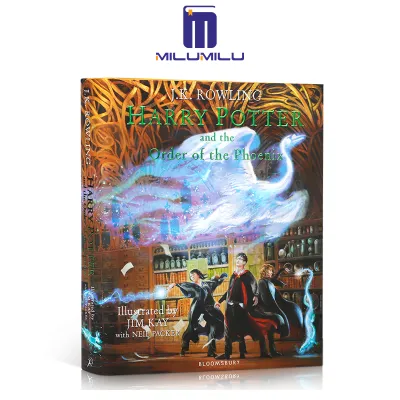
However, if you are already a dedicated fan who knows the storyline intimately, starting with a later volume can be a highly rewarding alternative. The later books in the series feature a noticeable evolution in artistic complexity, offering highly detailed, fully painted double-page spreads that showcase the illustrator’s mature style. If you have a specific favorite book in the series, starting with that particular volume allows you to immediately enjoy the visual reimagining of your favorite scenes.
Despite the appeal of skipping ahead, it is important to remember that the Harry Potter narrative is strictly sequential. Each book builds directly upon the events, character developments, and magical lore established in the previous installments. Skipping volumes can lead to a disjointed reading experience, especially for younger audiences who may struggle to follow the plot without the visual and textual context provided by the earlier books.
Products mentioned in this guide
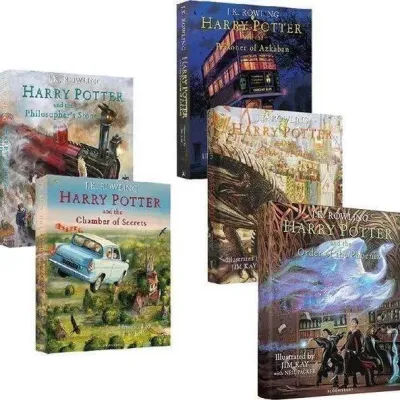
![[SG STOCK]Harry Potter: The Illustrated Edition 5-Book Collection (Books 1-5) by J.K. Rowling Illustrated by Jim Kay](https://img.lazcdn.com/g/p/030b77f63fafc22285acca1c573d2166.jpg_400x400q80.jpg_.webp)
![[SG Stock] Harry Potter Illustrated Edition (5 Hardcover Books)](https://img.lazcdn.com/g/p/76cbf9f90224c72f0cba2a40a8fac51c.jpg_400x400q80.jpg_.webp)
Prices are valid at publication and may change. Please refer to the product page for the latest price.
Understanding the Illustrated Editions
To make an informed decision, it is helpful to understand what makes these illustrated editions so unique compared to standard novels. These books are not graphic novels or comic books; instead, they are full-length, unabridged editions of the original novels interspersed with rich, full-color artwork. The illustrations are designed to complement and enhance the text, offering atmospheric visual interpretations of key scenes, characters, and magical creatures without interrupting the natural flow of the reading experience.

The artistic style of the series undergoes a significant evolution from the first book to the later volumes. In the early books, the artwork features a whimsical, lighter tone with a mix of spot illustrations, pencil sketches, and partial-color drawings set against clean white pages. As the story grows darker and more complex, the illustrations transition into dense, fully painted masterpieces with rich textures and dramatic lighting, reflecting the maturing themes of the narrative.
Physically, these volumes are designed as premium, large-format hardcovers that feel substantial in hand. They are printed on heavy, high-quality paper with a smooth, satin finish that prevents ink bleed-through and ensures the colors remain vibrant. Because of their size and weight, these books have a distinct coffee-table quality, making them as much a visual display piece for your home as they are a reading copy.
Why Start with Book 1 (The Philosopher's / Sorcerer's Stone)
Starting your collection with the first volume offers several distinct advantages, particularly when introducing a new reader to the wizarding world. The first book is responsible for establishing the entire visual identity of the series, introducing iconic locations like Diagon Alley, Platform nine and three-quarters, and Hogwarts Castle. By starting here, readers can visualize these settings alongside the characters as they are first introduced, creating a cohesive mental map of the magical world.
This volume also establishes the foundational character designs that the artist builds upon in subsequent books. Watching characters like Harry, Ron, and Hermione grow from eleven-year-old children into young adults through the artwork is one of the most satisfying aspects of collecting the series. Starting with the first book allows you to experience this visual growth naturally, matching the chronological progression of the characters’ lives.
For collectors, beginning with the first book is the most logical way to build a uniform and satisfying display. Placing the books on your shelf in chronological order creates a beautiful visual progression, as the spines gradually thicken to accommodate the longer texts of the later novels. Starting from the beginning prevents awkward gaps in your collection and ensures that anyone browsing your bookshelf can enjoy the story from its very inception.
When to Start with a Later Volume
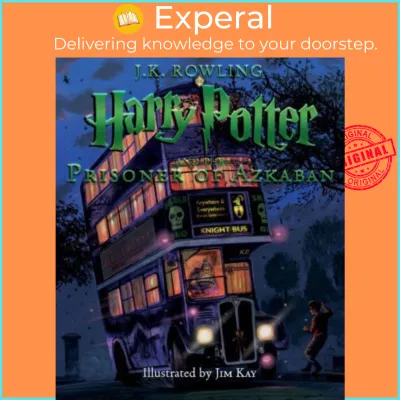
While starting at the beginning is the standard recommendation, there are practical reasons to consider starting with a later volume. For long-time fans who already own multiple copies of the text and know the plot by heart, purchasing a middle or later volume first allows you to skip directly to the most visually spectacular installments. Books like Harry Potter and the Prisoner of Azkaban or Harry Potter and the Goblet of Fire feature some of the most complex, atmospheric, and breathtaking artwork in the entire series.
A later volume also makes an exceptional standalone gift for a fan who may not have the space or budget to collect the entire illustrated series. Gifting a single, beautifully illustrated copy of their absolute favorite book in the series provides a premium reading experience that they can treasure as a display piece. This approach allows the recipient to enjoy the luxury of the illustrated format for their favorite story arc without the commitment of housing a massive, multi-volume collection.
However, you must consider the potential visual and narrative disconnect if a later volume is used as a first introduction to the story. The artwork in the later books is significantly darker, more intense, and assumes the reader is already familiar with the characters and world. If a young reader starts with a later volume, the sudden jump in artistic style, combined with the complex and mature themes of the plot, can feel overwhelming and confusing without the gentle introduction provided by the earlier books.
Building a Cohesive Collection Strategy
When planning to collect these illustrated editions, it is essential to consider the physical footprint they will occupy in your home. Unlike standard paperbacks, these large-format hardcovers require substantial shelf space and support. The early volumes are relatively slim, but the later books are incredibly thick and heavy, often weighing several kilograms each. Before purchasing, ensure your bookshelves are sturdy enough to handle the cumulative weight of these massive volumes without sagging.
Maintaining visual consistency across your collection requires careful attention to the specific editions you purchase. These books are released in various formats, including standard hardcovers with dust jackets, deluxe slipcased editions, and even paperback illustrated versions. To ensure your bookshelf looks cohesive, decide on a single format at the start of your collecting journey and stick to it, as mixing different formats can result in an uneven and untidy display.
Given the premium nature of these books, setting a realistic purchasing cadence is a wise approach. With prices often ranging from S$50 to S$90 per volume depending on the retailer and edition, buying the entire series at once can be a significant financial investment. Instead, consider purchasing them one at a time. This gradual approach allows you to fully appreciate and read each volume before adding the next, making the collecting process more manageable, affordable, and enjoyable over the long term.
Essential Checks Before Purchasing
Before making your purchase, there are several critical details you must verify to ensure you get the correct edition for your needs. First, pay close attention to the title variant. Depending on the publisher and region, the first book is titled either Harry Potter and the Philosopher’s Stone (the original British title) or Harry Potter and the Sorcerer’s Stone (the American title). This choice affects not only the cover art but also the spelling, vocabulary, and localized terms used throughout the text.
Next, verify the language, publication year, and exact physical dimensions of the book. Because these illustrated editions are popular worldwide, foreign-language versions are widely available on online marketplaces. Carefully reading the product specifications ensures you do not accidentally purchase a translation. Checking the dimensions is also crucial, as deluxe or special editions may have different heights and depths that might not fit standard bookshelves.
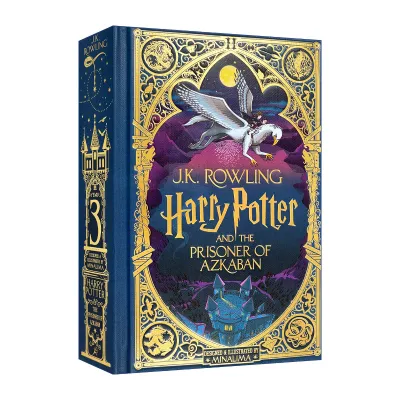
Additionally, confirm the binding type and the credited illustrator. While the primary illustrated series is famous for the artwork of Jim Kay, there are other illustrated editions available, such as those designed by the graphic design studio MinaLima, as well as movie tie-in books featuring film stills. Checking the illustrator credit in the product description ensures you are purchasing the specific artistic style you intend to collect.
Finally, review the retailer’s packaging and return policies, particularly when ordering from an online marketplace. Because these books are heavy and feature delicate dust jackets, they are highly vulnerable to corner dings, spine damage, and torn jackets during shipping if they are not packaged with sufficient protective wrapping. Choosing a reputable seller with a clear return policy for damaged books protects your investment and ensures your new volume arrives in pristine, collectible condition.
Frequently Asked Questions (FAQ)
Are the illustrated editions abridged or do they contain the full original text?
The standard illustrated editions contain the complete, unabridged original text of the novels. Every chapter, dialogue, and description remains intact alongside the artwork. However, because publishers occasionally release different formats, always verify the product description and page count before purchasing to ensure you are not buying a condensed or adapted version.
Do I need to read the original books before buying the illustrated editions?
No, you do not need to read the original books beforehand. The illustrated editions contain the full text, making them an excellent way to experience the story for the very first time. The illustrations enhance the magical atmosphere and help visualize complex scenes, which can make the narrative even more engaging and accessible for new readers.
Will the illustration style change noticeably if I skip the first few books?
While the core character designs and overall visual identity remain consistent, the complexity and tone of the artwork do evolve. Later volumes feature darker color palettes, more intricate layouts, and a higher density of fully painted spreads to match the mature themes of the later novels. Skipping books will make this artistic transition feel much more abrupt than if you read them in order.
Community discussion
Share your experience or ask a question. Comments are reviewed before publication.