
Starting your journey into classic literature can feel intimidating, but selecting the right entry point makes the transition seamless and deeply rewarding. For new readers in Singapore, the iconic Penguin Classics catalog offers an accessible gateway to the world’s greatest stories. The best starting points are novels that feature compelling, universally relatable themes, clear prose, and manageable lengths, such as nineteenth-century social comedies, mid-twentieth-century dystopian allegories, and atmospheric Gothic mysteries. By choosing editions equipped with helpful introductions and explanatory notes, you can easily bridge historical and cultural gaps while enjoying stories that continue to shape modern culture.
How to Choose Your First Penguin Classics Novel
To build a successful reading habit with classic literature, it is essential to align your first selection with your existing reading preferences rather than forcing yourself into a dense historical text. If you typically enjoy modern contemporary romance or family dramas, jumping directly into Victorian social realism will feel much more natural than attempting an epic philosophical tome. Classic literature spans thousands of years and dozens of movements; treating it as a single, uniform genre is a common pitfall. Identifying whether you prefer character-driven narratives, fast-paced plots, or atmospheric suspense allows you to select a literary movement that mirrors your current tastes.
Pacing and book length are equally critical factors for readers transitioning from contemporary fiction. Modern novels often employ rapid exposition and quick scene transitions, whereas older works may dedicate significant space to environmental descriptions and internal monologues. Beginning with a shorter novel—ideally under three hundred pages—helps you adapt to the cadence of older English prose without feeling overwhelmed by a massive page count. Completing a shorter, well-paced classic builds the momentum and confidence needed to tackle longer, more complex works later on.
Products mentioned in this guide
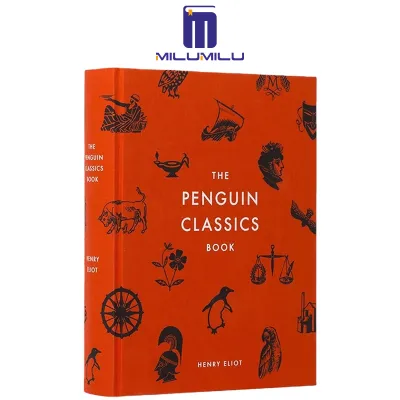
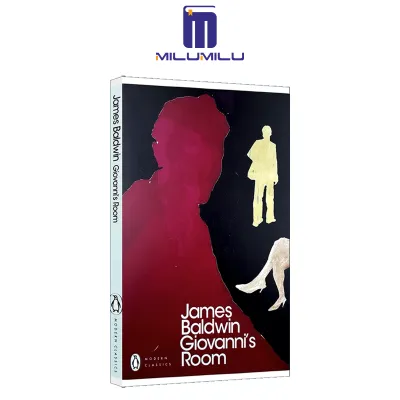
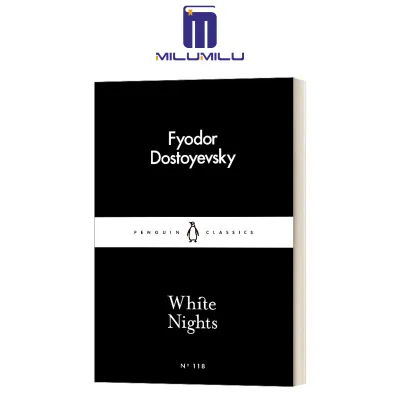
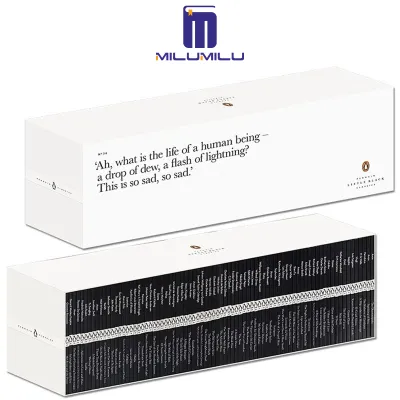
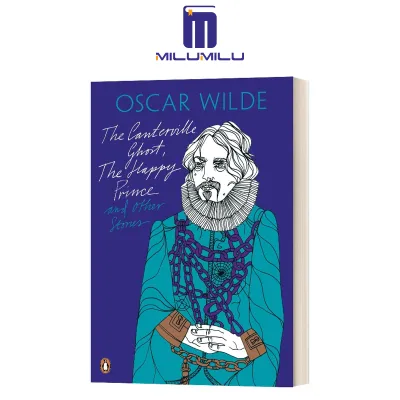

Prices are valid at publication and may change. Please refer to the product page for the latest price.
Additionally, you should evaluate the editorial features of the book before making a purchase. Standard Penguin Classics are highly regarded because they include comprehensive introductions, author biographies, and explanatory endnotes. For a beginner, these supplementary materials are invaluable for decoding archaic vocabulary, understanding historical class structures, and grasping the political context of the era. However, a practical tip for new readers is to skip the introductory essay until after finishing the novel, as these academic analyses frequently contain major plot spoilers. Use the endnotes as you read to clarify unfamiliar terms, but let the story unfold naturally on your first pass.
Recommended Classic Categories for Beginners
Navigating the vast color-coded world of Penguin Classics is much easier when you group potential reads by distinct thematic categories. Instead of browsing shelves chronologically, categorizing books by their narrative style helps you find an immediate match for your mood and interests. Certain literary periods are naturally more accessible to modern readers due to their stylistic proximity to contemporary storytelling.

By focusing on specific genres—such as social realism, speculative fiction, or Gothic suspense—you can find stories that utilize familiar narrative structures. The following categories represent the most engaging and readable entry points in the Penguin Classics catalog, chosen for their enduring relevance, clear prose styles, and ability to captivate readers from the very first page.
19th-Century Social Realism and Romance
The nineteenth century was a golden age for character-driven fiction that explored the intricacies of daily life, social mobility, and romantic relationships. Writers of this era were keen observers of human nature, capturing the humor, hypocrisy, and emotional depth of their societies in ways that still resonate today. For beginners, these novels offer highly accessible prose because they focus on interpersonal dynamics, family conflicts, and societal expectations—themes that remain central to modern drama.
Jane Austen stands out as one of the most approachable authors of this period. Her novels, such as Pride and Prejudice or Persuasion, are celebrated for their sharp wit, comedic misunderstandings, and brilliant dialogue. Because Austen’s focus is on the domestic sphere and the universal complexities of human relationships, readers require very little historical background to appreciate her genius. Similarly, the shorter works of Charles Dickens, such as A Christmas Carol, provide vivid characterization and memorable social commentary without the daunting length of his larger serialized epics.
When selecting a nineteenth-century novel, look for Penguin editions that feature robust glossaries or explanatory notes. While the language is generally straightforward, social customs, monetary values, and transport methods of the Regency and Victorian eras can occasionally confuse modern readers. Having a quick-reference guide at the back of the book allows you to understand the subtle social stakes of a character’s actions, such as the significance of an inheritance or the strict rules of courtship, without interrupting the flow of the narrative.
Dystopian, Sci-Fi, and Philosophical Fiction
If you prefer thought-provoking concepts, political allegories, and high-stakes scenarios, early speculative fiction and mid-twentieth-century classics offer an exceptional starting point. These novels often feature direct, urgent prose styles that prioritize ideas and narrative momentum over elaborate descriptions. Because many of these works were written in response to rapid technological advancements and shifting political landscapes, their themes feel incredibly modern and urgent.
Mary Shelley’s Frankenstein is a foundational text that seamlessly blends Gothic horror with profound philosophical questions about scientific ethics, isolation, and what it means to be human. Despite being written in the early nineteenth century, its narrative pacing is remarkably swift, driving the reader forward through a series of dramatic confrontations. For an even more direct reading experience, mid-twentieth-century classics like George Orwell’s Animal Farm or 1984 utilize clear, journalistic prose to deliver powerful critiques of authoritarianism and language manipulation.
Compared to older, abstract philosophical texts, these speculative novels are highly readable because they ground complex ideas in concrete, dramatic situations. The directness of twentieth-century language means you will spend less time deciphering archaic sentence structures and more time contemplating the ethical and societal questions raised by the authors. This makes speculative fiction one of the most reliable pathways for readers who want their first classic to be intellectually stimulating yet highly engaging.
Gothic, Mystery, and Psychological Thrillers
For readers who crave suspense, atmospheric settings, and deep psychological exploration, the Gothic and early mystery genres provide some of the most thrilling experiences in classic literature. These stories rely on tension, mood, and the slow unraveling of secrets to keep the reader turning pages late into the night. Because these texts established the very tropes that dominate modern horror and thriller films, they feel instantly familiar to contemporary audiences.
Robert Louis Stevenson’s Strange Case of Dr Jekyll and Mr Hyde is a masterclass in psychological suspense and atmospheric storytelling. Its short length and intense focus on the duality of human nature make it an incredibly fast and rewarding read. Similarly, Bram Stoker’s Dracula utilizes an epistolary format—told through journal entries, letters, and newspaper clippings—which creates an immersive, multi-perspective narrative that feels surprisingly modern and dynamic.
When choosing these atmospheric thrillers, it is important to opt for unabridged Penguin Classics editions. Simplified or abridged versions often strip away the rich environmental descriptions and psychological monologues that build the signature dread and tension of Gothic literature. Reading the original, unabridged text allows you to fully appreciate how these authors manipulated language to create a sense of unease, making the eventual resolution of the mystery infinitely more satisfying.
Navigating Editions and Formats in Singapore Bookstores
Once you have decided on a genre or title, the next step is selecting the physical format that best suits your reading lifestyle and aesthetic preferences. When browsing bookstores in Singapore, you will primarily encounter two distinct formats within the Penguin Classics family: the standard black-spine paperbacks and the premium Penguin Clothbound Classics. Understanding the practical differences between these editions will help you make an informed decision.
The standard black-spine paperbacks are designed for active reading and portability. They feature flexible bindings, lightweight paper, and a highly readable layout, making them the ideal companion for daily commutes on the MRT or reading in local cafes. These editions are also the most cost-effective option, allowing you to build a diverse library without a significant financial investment. In contrast, the Penguin Clothbound Classics, designed by Coralie Bickford-Smith, feature gorgeous, foil-stamped hardback covers that look stunning on any bookshelf. However, they are heavier, less flexible, and the delicate foil designs can wear off with frequent handling. If you plan to carry your book around Singapore in a backpack or tote bag, the standard paperback is generally the more durable and practical choice, while the clothbound editions are perfect for home reading and collecting.
Another crucial consideration is the distinction between original English-language texts and translated works. For classics originally written in languages other than English—such as Russian, French, or Japanese literature—the quality of the translation directly impacts your reading experience. Penguin Classics is renowned for commissioning modern, highly acclaimed translations that preserve the author’s original voice while ensuring the prose flows naturally for contemporary English speakers. Always check the title page or back cover to identify the translator, and feel free to compare opening paragraphs in the bookstore to see which translation style resonates most with you.
When sourcing these books locally, physical bookstores in Singapore offer an unparalleled browsing experience. Visiting major literary hubs, such as Books Kinokuniya at Ngee Ann City, allows you to physically assess the font size, paper texture, and weight of different editions before purchasing. Independent local bookshops also curate excellent selections of classics and can offer personalized recommendations. While online marketplaces and ecommerce platforms provide convenience and access to niche titles, purchasing from a local physical bookstore ensures you can inspect the book’s condition and support the local literary ecosystem.
Tips for Building a Sustainable Classic Reading Habit
Transitioning to classic literature requires a shift in how you approach your reading speed and habits. Because older texts often feature denser prose and more complex sentence structures than contemporary novels, trying to rush through them can quickly lead to reader’s fatigue. Instead of focusing on how quickly you can finish a book, aim to set realistic daily page goals. Dedicating just ten to fifteen pages a day to a classic allows you to absorb the language and themes deeply without feeling overwhelmed.
Another effective strategy is to incorporate multi-sensory learning into your routine. Listening to a high-quality audiobook version while following along with your physical Penguin Classics text can dramatically improve your comprehension and retention. Hearing the natural cadence, rhythm, and pronunciation of Victorian or early modern English helps demystify the language, making the narrative flow much more naturally. Additionally, reading companion essays or listening to literary podcasts after completing a chapter can provide valuable context that enhances your appreciation of the work.
Finally, engaging with the local reading community can provide the motivation and accountability needed to sustain your habit. Singapore has a vibrant literary scene with numerous book clubs, both online and physical, that meet regularly to discuss classic and contemporary literature. Joining a local reading group or participating in discussions at public libraries allows you to share your interpretations, ask questions, and discover new perspectives on the books you read. Sharing the journey with fellow readers transforms classic literature from a solitary academic exercise into a dynamic, social experience.
Frequently Asked Questions (FAQ)
Are Penguin Clothbound Classics better for reading than the standard black-spine editions?
The choice between the two formats depends entirely on your reading environment and aesthetic goals. Standard black-spine paperbacks offer superior flexibility, lighter weight, and greater portability, making them highly comfortable for extended reading sessions on the go. Penguin Clothbound Classics feature beautiful, collectible hardback designs that are ideal for display, but their rigid bindings and heavier weight can make them less comfortable to hold for long periods. Additionally, the decorative foil on clothbound covers is sensitive to oils and friction, meaning it can fade or rub off with heavy handling, whereas standard paperbacks are built to withstand daily wear and tear.
How can I find out if a specific Penguin Classics title is in stock locally?
To verify the availability of a specific title in Singapore, start by checking the online inventory databases of major local bookstore chains. Many physical bookstores provide real-time stock indicators for individual branches on their official websites. If a title is niche or older, it is highly recommended to call the specific branch directly and request a physical stock check before making the trip. For independent bookshops, reaching out via their social media channels or official email is an effective way to inquire about stock or request a special order. If local physical stock is unavailable, reputable online book retailers and regional ecommerce platforms can be used to source the exact ISBN you need.
Community discussion
Share your experience or ask a question. Comments are reviewed before publication.