
The steel tongue drum, widely known in Singapore as the 空灵鯉 (ethereal drum), has captured the hearts of wellness enthusiasts, hobbyists, and percussionists alike. Its soothing, bell-like tones make it an exceptionally approachable instrument for anyone seeking a creative outlet or a tool for personal meditation. However, choosing the right brand can be challenging given the vast array of options available online and in local music stores, ranging from mass-produced entry-level models to meticulously hand-tuned artisan instruments.
To find the best balance of sound quality, build, and price, you must look beyond aesthetic designs and evaluate core technical specifications. The ideal instrument for you depends on your musical goals, your budget, and how you plan to use it. While budget-friendly models offer a low-risk entry point for casual exploration, premium brands utilize advanced alloys and precision hand-tuning to deliver rich overtones and exceptional sustain. Prioritizing tuning stability, scale design, and environmental durability will ensure you select an instrument that brings joy for years to come.
Quick Answer: Finding the Best Balance of Sound and Price
When searching for a steel tongue drum, the best brand is highly conditional on your experience level and musical goals. If you are a beginner or buying for a child, an entry-level budget brand offers an affordable way to test your interest with a forgiving, easy-to-play pentatonic scale. For dedicated hobbyists and daily practitioners, mid-range brands provide the best overall value, offering stable tuning, durable finishes, and complete accessory kits. Professional musicians and sound therapists should invest in premium artisan brands, where hand-tuned precision, complex overtones, and advanced rust-resistant alloys justify the higher cost.
Products mentioned in this guide
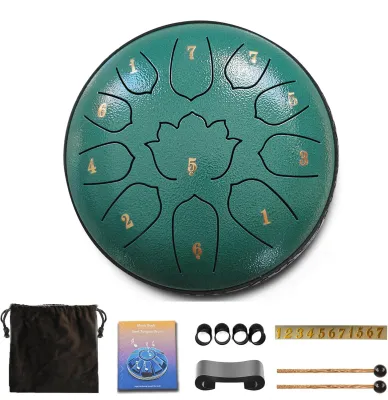
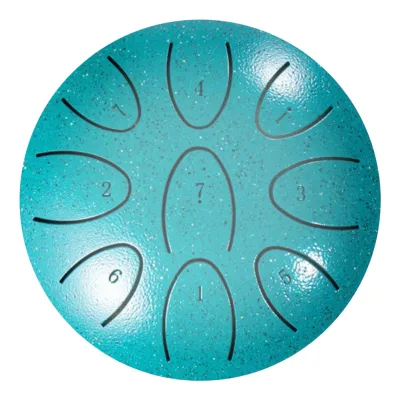
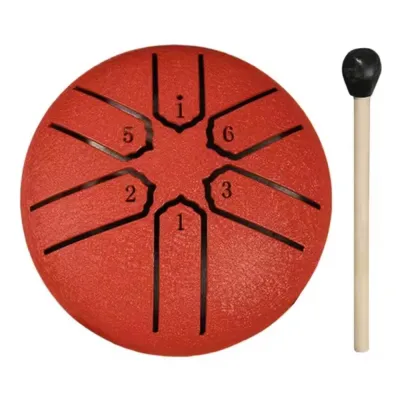
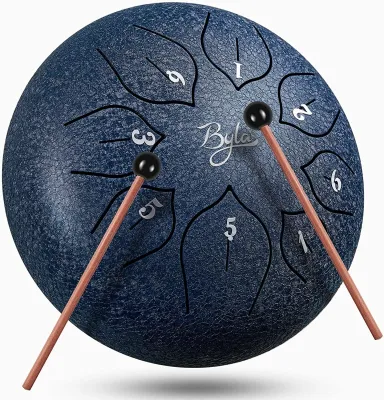
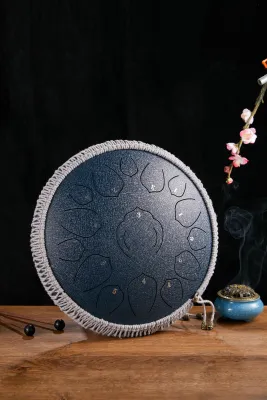
Prices are valid at publication and may change. Please refer to the product page for the latest price.
Regardless of which tier you choose, you should prioritize key performance factors over brand name alone. Ensure the drum features stable tuning (such as the standard A=440Hz or the meditative A=432Hz), clear note separation, and a robust protective coating to guard against Singapore’s high humidity.
Core Comparison Dimensions for Steel Tongue Drums (空灵鯉)
Evaluating different steel tongue drum brands requires understanding the physical and acoustic properties that separate high-quality instruments from poorly made alternatives. Because these drums are permanently tuned during the manufacturing process, knowing what to look for will help you avoid common issues like dead notes, rapid detuning, or surface corrosion.

Sound Quality and Scale Design
The acoustic signature of a steel tongue drum is defined by its overtone richness, note clarity, and scale configuration. High-end brands carefully tune each tongue to resonate with its fundamental pitch alongside its octave and fifth overtones, creating a warm, three-dimensional sound. In contrast, cheaper brands often focus only on the fundamental pitch, resulting in a flatter, more percussive tone.
The scale design is equally important for your playing experience:
- Pentatonic Scales: These five-note scales are highly forgiving because any combination of notes sounds harmonious, making them perfect for intuitive playing and meditation.
- Diatonic or Minor Scales: These scales offer a wider range of notes, allowing you to play specific melodies and explore more complex emotional themes.
- Exotic Scales: Premium brands often offer specialized tunings (such as Akebono, Hijaz, or Kurdish scales) that cater to specific musical genres or therapeutic practices.
When comparing brands, listen closely to the sustain and decay of the notes. Quality instruments maintain a clean, singing tone that decays naturally without muddying adjacent notes, while lower-quality options may suffer from harsh metallic clanging or dead spots on the higher-pitched tongues.
Build Quality, Materials, and Finish
The physical materials used to construct a tongue drum directly impact its durability and tonal warmth. Manufacturers generally use one of three primary metal types:
- Carbon Steel: Offers a warm, traditional tone but is highly susceptible to rust if the protective coating is damaged.
- Stainless Steel: Provides a brighter tone, exceptionally long sustain, and excellent natural resistance to moisture and corrosion.
- Titanium Alloys: Delivers a highly resonant, clear tone with a balanced sustain and superior structural strength.
The precision of the tongue cuts—usually achieved via high-precision laser cutting—ensures that each tongue has the correct mass to vibrate freely. Additionally, the quality of the exterior finish (such as powder coating, electroplating, or heat-treating) is critical for preventing rust. High-quality brands also distinguish themselves by including premium accessories, such as weighted rubber mallets that bring out the drum’s natural resonance, custom-fitted padded bags, and sturdy display stands.
Price Tiers and Value Proposition
The steel tongue drum market is divided into three main price tiers, each offering a distinct balance of acoustic performance and material quality. Budget options, typically priced under S$80, offer an accessible entry point but often compromise on overtone tuning and accessory quality. The mid-range tier, spanning from S$80 to S$250, represents the sweet spot for most hobbyists, delivering reliable tuning stability, durable alloys, and complete starter kits. Premium and artisan drums, which can range from S$300 to well over S$800, justify their cost through meticulous hand-tuning, exotic scale configurations, and superior rust-resistant treatments. When evaluating value, consider how long the drum will remain in tune; a cheaper drum that goes flat within a few months of play represents poor long-term value compared to a mid-range or premium instrument backed by a manufacturer warranty.
Evaluating Brand Tiers: What to Expect at Each Level
To help you navigate the market, the following comparison outlines what you can realistically expect from each brand tier. Use this classification to align your budget with your musical expectations.
| Brand Tier | Sound Complexity | Build Materials | Typical Accessories | Ideal User | Price Range (S$) |
|---|---|---|---|---|---|
| Budget / Entry-Level | Simple fundamental tones; minimal overtones; shorter sustain | Standard carbon steel; basic painted or lacquered finishes | Lightweight mallets, basic non-padded gig bag, songbook | Beginners, young children, casual sound explorers | Under S$80 |
| Mid-Range / Enthusiast | Clear fundamental notes; moderate sympathetic resonance | High-grade carbon steel or stainless steel; electroplated finishes | Weighted rubber mallets, padded travel bag, finger picks, stand | Dedicated hobbyists, yoga teachers, daily practitioners | S$80 – S$250 |
| Premium / Artisan | Rich overtones (octaves/fifths); long, singing sustain; zero distortion | Stainless steel, titanium-steel alloys, or nitrided steel | Professional mallets, heavy-duty padded case, tuning certificate | Sound therapists, professional musicians, collectors | Above S$250 |
Budget and Entry-Level Brands
Budget and entry-level brands are highly accessible and widely available on online marketplaces. These drums are typically mass-produced using standard carbon steel and are best suited for beginners, young children, or anyone wishing to explore sound therapy without a significant financial commitment. Because they are tuned quickly in factory settings, they generally focus on simple fundamental pitches with very little overtone tuning. This results in a shorter, punchier sustain and a more percussive sound. While perfectly adequate for playing simple melodies or practicing basic rhythms, these instruments may exhibit slight tuning inaccuracies on the highest notes. Their protective coatings can also be thin, meaning they require diligent maintenance to prevent surface rust, and their included accessories—such as thin, unpadded carry bags—provide minimal protection during transport.
Mid-Range and Enthusiast Brands
Mid-Range and enthusiast brands occupy the sweet spot for the majority of players. These manufacturers invest more time in refining their tuning processes and sourcing better materials, such as high-tensile stainless steel or titanium-steel alloys. The result is an instrument with reliable tuning stability, a warmer and more resonant tone, and significantly better resistance to environmental factors. These drums are ideal for regular practice, yoga studios, and small acoustic gatherings. They typically come as complete, high-quality kits that include well-weighted mallets designed to bring out the drum’s natural resonance, finger picks for alternative playing styles, and heavily padded travel bags that protect the instrument from impacts. If you plan to play your drum regularly and want an instrument that remains accurately tuned over years of use, a mid-range brand offers the most balanced return on investment.
Premium and Artisan Brands
Premium and artisan brands cater to professional musicians, sound healing practitioners, and serious collectors who demand flawless acoustic performance. These drums are often hand-crafted or individually fine-tuned by skilled artisans who carefully balance the fundamental pitch of each tongue with its upper harmonics. This meticulous process produces a deeply resonant, ethereal sound with incredibly long, singing sustain and zero metallic distortion, even when struck firmly. Artisan brands frequently offer specialized, non-pentatonic scales that evoke specific moods, such as meditative Celtic tunings or mysterious Middle Eastern scales. They also utilize advanced material treatments, such as nitriding or proprietary alloy blends, which provide superior rust resistance and a highly tactile, matte finish. While the price of these instruments is significantly higher, the investment is justified for professionals who rely on precise tuning, rich acoustic projection, and exceptional craftsmanship for public performances or therapeutic sessions.
Choosing the Right 空灵鯉 Brand for Your Specific Needs
Selecting the perfect steel tongue drum requires matching your personal use case with the strengths of a specific tier. Use this conditional framework to guide your decision:
- Choose a Budget Brand if: You are entirely new to percussion and want to test your interest in the instrument before spending a significant amount. This tier is also excellent if you are buying a gift for a young child, need a highly portable and low-cost drum for casual outdoor relaxation, or simply want a basic tool to assist with personal breathing exercises and meditation.
- Choose a Mid-Range Brand if: You plan to play the instrument regularly, value accurate tuning across all notes, and want a durable drum that can withstand frequent handling. This is the ideal choice for yoga instructors, school music programs, and dedicated hobbyists who want a rich, satisfying sound and a comprehensive accessory kit without paying premium artisan prices.
- Choose a Premium Brand if: You are a professional sound therapist, meditation guide, or recording artist who requires absolute tuning precision, complex harmonic overtones, and maximum sustain. This tier is also suited for collectors who appreciate unique, hand-crafted designs, custom scale configurations, and superior materials that will last a lifetime.
- Verify First if: You require a specific tuning standard, such as A=432Hz (popular for sound healing and meditation) versus the standard orchestral tuning of A=440Hz. You should also verify the availability of local after-sales support, international warranty coverage, and the exact note layout of the drum before completing your purchase, as returning a heavy steel instrument can be costly.
Buying and Maintaining a Steel Tongue Drum in Singapore
Playing and owning a steel tongue drum in Singapore comes with unique environmental and living considerations that you must address to protect your investment and maintain harmony with your neighbors.
Navigating Local Housing and Volume
In Singapore’s high-density housing environments, such as HDB flats and condominiums, managing instrument volume is essential. Fortunately, steel tongue drums are naturally quieter and produce less structural vibration than larger handpans or traditional percussion instruments. To ensure you remain a considerate neighbor, play your drum using softer rubber mallets, which produce a warmer, more muted attack compared to hard wooden or plastic mallets. You can also place the drum on a soft surface, such as a thick yoga mat, a padded cushion, or a dedicated soft stand, to absorb low-frequency vibrations before they travel through concrete floors and walls. If you prefer to play late at night, practicing with your fingers rather than mallets will significantly lower the volume while offering a more intimate, gentle tone.
Climate Care and Rust Prevention
Singapore’s tropical climate, characterized by high humidity and ambient salt air, presents a constant challenge for steel instruments. Humidity is the primary cause of rust, which can degrade the metal and permanently alter the drum’s tuning. To protect your instrument, always wipe down the entire surface of the drum with a dry, clean microfiber cloth after every playing session to remove natural oils and sweat from your hands. Avoid storing your drum in damp areas, in direct sunlight, or directly under active air-conditioning drafts, which can cause rapid temperature changes and condensation. Instead, keep the drum inside its padded bag when not in use, and place several active silica gel packets or a small dehumidifying sachet inside the bag to absorb any trapped moisture. Periodically applying a thin layer of specialized instrument oil or natural coconut oil to non-coated steel surfaces will also create a protective barrier against humidity.
Verifying Authenticity and Seller Support
When purchasing a steel tongue drum in Singapore, it is crucial to source your instrument from authorized local music stores, established percussion retailers, or verified official flagship stores on major e-commerce platforms. Avoid purchasing from unverified third-party sellers or extremely low-priced listings on online marketplaces. These unverified sources often sell poorly tuned, mass-produced counterfeits made from low-grade scrap metal that lacks proper rust-prevention treatment. Buying from an established local retailer ensures that you can test the drum’s tuning and physical condition in person before buying. Furthermore, authorized sellers provide reliable customer support, local return policies, and warranty coverage, giving you peace of mind that your instrument is a genuine, high-quality product.
Frequently Asked Questions (FAQ)
Is a steel tongue drum easier to learn than a handpan?
Yes, the steel tongue drum is significantly easier to learn than a handpan. Tongue drums are designed with a highly intuitive, sequential note layout that prevents discordant sounds, making them incredibly forgiving for absolute beginners without any musical background. Additionally, tongue drums are easily played with mallets, which produce a clear, resonant tone immediately upon striking. In contrast, handpans require a highly precise, physical hand-striking technique and active finger muting to control complex overtones, which can take weeks of dedicated practice to master.
How many notes should a beginner steel tongue drum have?
For most beginners, a steel tongue drum with 8 to 11 notes is the ideal choice. This range provides a complete pentatonic or diatonic scale, offering enough musical variety to play a wide range of simple melodies, folk songs, and meditative sequences without becoming overwhelming. Drums with fewer than 8 notes can feel musically restrictive after a short period of learning, while drums with 13 to 15 notes are physically larger, heavier, and feature smaller tongues that require a more precise strike, making them more challenging for beginners to play cleanly.
Can I use my fingers instead of mallets to play?
You can absolutely play a steel tongue drum with your fingers, which produces a softer, warmer, and much more intimate tone well-suited for personal meditation. However, playing with your hands requires a quick, rebounding strike with the pads of your fingers to prevent dampening the note. Because smaller tongues require more force to vibrate, beginners may find it easier to start with the included mallets to learn the note layout and build muscle memory. As your technique develops, you can transition to finger playing or use silicone finger picks to increase your volume.
Community discussion
Share your experience or ask a question. Comments are reviewed before publication.