
Choosing between a steel and a brass cowbell comes down to how you need your percussion to sit within a musical mix. Steel cowbells deliver a bright, sharp, and piercing attack that easily cuts through high-volume environments, making them well-suited for loud rock, metal, and large ensembles. Brass cowbells, by contrast, offer a warmer, darker, and more complex tonal profile with a softer initial strike and a richer midrange, making them highly suited for jazz, Latin music, and intimate studio sessions. Understanding how these metals behave under different playing conditions ensures you select an instrument that complements your existing setup without requiring excessive dampening or hardware adjustments.
Core Tonal Differences Between Steel and Brass Cowbells
To understand why these two metals sound so distinct, one must look at their fundamental acoustic properties. Steel is a highly rigid, dense alloy that reflects sound waves with minimal absorption. When struck, a steel cowbell produces an immediate, high-frequency spike. This initial transient, or “crack,” is accompanied by bright, piercing overtones that ring out clearly. The sonic profile of steel is often described as focused and clinical, offering a clean projection that does not get lost even when surrounded by amplified guitars or heavy brass sections.
Brass, an alloy of copper and zinc, possesses a lower modulus of elasticity compared to steel. This physical difference allows the metal to absorb some of the harsher high frequencies upon impact, resulting in a much warmer and darker tone. The attack of a brass cowbell is noticeably softer and rounder, transitioning quickly into a complex series of midrange overtones. Instead of a singular, piercing spike, brass produces a broader, more musical wash of sound that blends harmoniously with other acoustic instruments rather than sitting strictly on top of them.
Products mentioned in this guide

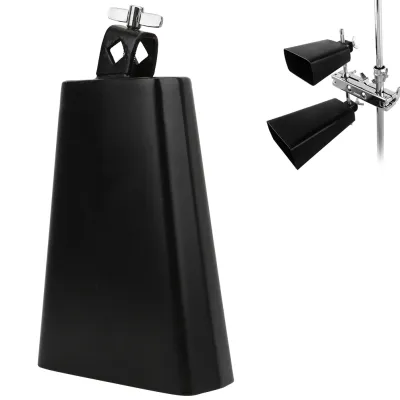
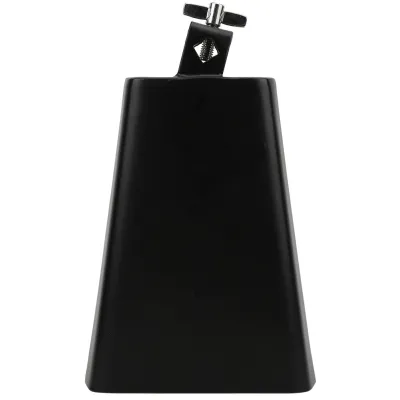
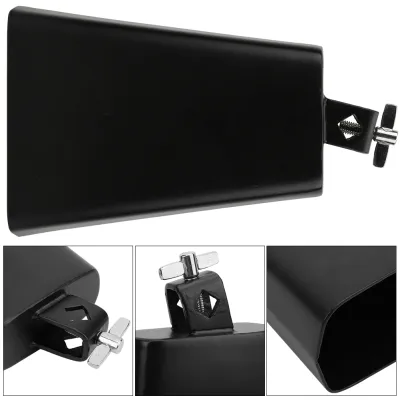
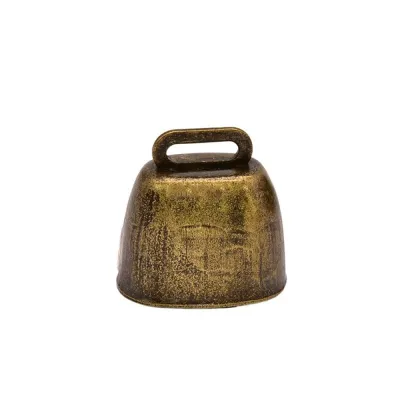
Prices are valid at publication and may change. Please refer to the product page for the latest price.
Beyond the raw material, manufacturing methods heavily influence the final voice of the bell. Cast bells, which are poured into molds, tend to be thicker and offer a more solid, dry fundamental pitch with fewer wild overtones. Welded sheet metal bells, common in steel construction, rely on the tension of the seams to project, which can introduce unique harmonic ring points. Lathing and hand-hammering, more frequently seen in premium brass percussion, introduce microscopic variations in material thickness that scatter sound waves, creating an even more complex, dark, and organic decay.
Projection, Sustain, and Volume in Different Environments
The environment in which you perform dictates how much volume and cutting power your cowbell requires. In live, unmixed settings—such as outdoor festivals, community parades, or high-decibel rehearsal spaces—steel is the traditional choice. Because high frequencies carry energy efficiently over distances, the piercing attack of a steel bell cuts through dense sonic environments without requiring microphone reinforcement. It provides a clear, unyielding pulse that band members can easily track, even amidst heavy drumming and amplified instrumentation.

In contrast, the natural sustain and overtone structure of brass makes it highly effective in controlled acoustic environments. In a recording studio or an intimate jazz club, the harsh high-frequency ring of an untreated steel bell can easily overwhelm sensitive condenser microphones or bleed into nearby drum overheads. Brass naturally manages its own ring, offering a shorter, more controlled decay that settles quickly into the mix. The richer midrange frequencies of brass fill the acoustic space warmly, providing a pleasant, organic texture that enhances the overall percussion arrangement without causing listener fatigue.
Regardless of the material you choose, managing overtones is a common task for percussionists. Steel bells, due to their bright and resonant nature, frequently require external damping techniques to control unwanted ring. Applying a small strip of gaffer tape, a dampening gel pad, or an internal foam strip can quickly focus the pitch of a steel bell, making it sound drier and more controlled. Brass bells typically require far less external muffling, as their natural alloy composition inherently dampens the most abrasive high-frequency overtones, allowing players to use the instrument wide open in most musical scenarios.
Physical Characteristics: Weight, Durability, and Playability
The physical properties of steel and brass extend beyond acoustics to affect the practicalities of mounting and long-term durability. Steel is exceptionally durable and highly resistant to denting, even when subjected to repetitive, heavy strikes from heavy oak or hickory drumsticks. This structural resilience helps steel cowbells retain their structural integrity, maintaining their shape and internal tension over years of rigorous touring. Furthermore, steel is highly stable, though untreated or non-plated steel can be susceptible to surface rust in humid climates. Most manufacturers apply a powder coat, chrome plating, or brushed finish to protect the metal from moisture and sweat.
Brass is a softer metal than steel, which introduces different physical considerations. While still highly durable, a brass cowbell is more prone to minor denting or scratching over time if struck repeatedly with extreme force. This makes proper striking technique and beater selection important for preserving the bell’s structural integrity. Additionally, brass naturally oxidizes when exposed to air and skin oils, developing a dark patina over time. While some musicians appreciate this vintage aesthetic, maintaining the original polished look requires regular cleaning with specialized brass polish and a soft cloth.
Weight is another critical factor that directly impacts your hardware setup. Brass is denser than standard steel, meaning a brass bell of the same dimensions and thickness will often feel heavier. This added weight puts greater stress on mounting clamps, L-rods, and cymbal stands. If your percussion rig features multiple bells mounted on a single stand, the heavier profile of brass requires robust, heavy-duty hardware to prevent the stand from tipping or the mounting arms from slipping during a performance. Steel, being slightly lighter for equivalent structural strength, offers a more forgiving load on lightweight or portable hardware setups.
Matching the Material to Your Musical Style and Setup
Selecting the right cowbell requires matching these physical and acoustic traits to your specific musical genre and performance rig. A steel cowbell is a common choice if your primary genres include hard rock, heavy metal, salsa, or large marching ensembles. In these settings, the primary requirement of the percussionist is to deliver an unyielding, highly audible tempo marker that can pierce through walls of amplification. The bright, aggressive bite of steel ensures your patterns remain distinct and driving, providing the necessary energy to propel the rhythm section forward.
A brass cowbell is far better suited for genres that prioritize tonal blending, warmth, and acoustic nuance. If you play jazz, bossa nova, acoustic folk, or participate in frequent studio recording sessions, the softer attack and complex midrange of brass will integrate beautifully into your soundscapes. Brass allows you to play expressive, dynamic patterns without the risk of a single misplaced strike piercing the ears of your audience or clipping the audio interface inputs. It offers a sophisticated, vintage character that feels integrated into the drum kit rather than sitting apart from it.
However, neither material may fit your needs if you require highly specific, melodic pitches or silent practice options. Standard cowbells are designed as indefinite-pitch percussion instruments; while they have a dominant frequency, they are not tuned to precise chromatic notes. If your musical arrangement demands a highly specialized, definite pitch, you may need to explore tuned handbells or specialized orchestral bells. Similarly, if you are practicing in a shared living space where acoustic volume must be kept to a minimum, an electronic trigger pad paired with a percussion module is a much more practical alternative than trying to heavily muffle a metal bell.
Before making your final decision, verify the physical limits of your current setup. If you use lightweight, highly portable hardware, a large, heavy brass bell may cause stability issues. Ensure your mounting hardware can handle the weight and that the tonal profile of the bell matches the acoustic volume of your drum kit. Balancing these factors ensures your new percussion instrument enhances your performance rather than creating logistical or sonic hurdles on stage.
Key Specifications to Verify Before Purchasing
To ensure you select a cowbell that matches your expectations, always consult the manufacturer’s official specification sheet rather than relying solely on product photos. Start by verifying the exact alloy composition and material thickness. Some budget bells may feature a brass-plated steel finish, which mimics the golden appearance of brass but retains the bright, aggressive acoustic properties of steel. Confirming whether a bell is solid brass or coated steel prevents unexpected tonal surprises when you first strike the instrument.
Next, carefully check the mounting system specifications. Cowbells typically mount via an eye-bolt clamp onto an L-rod or percussion post. You must verify that the clamp’s opening range matches the diameter of your existing mounting hardware, which commonly ranges from 9.5mm to 12.5mm. A mismatched clamp can lead to slippage during play or prevent you from mounting the bell entirely, requiring you to purchase additional adapters or specialized clamps.
Finally, evaluate the physical dimensions, lip shape, and internal design of the bell. The overall length and mouth opening size directly dictate the fundamental pitch, with larger bells producing deeper tones. The shape of the playing edge, or lip, also affects playability; a rounded, reinforced lip helps protect your drumsticks from excessive wear and provides a fatter, more consistent tone when struck with the shoulder of the stick. Some models also feature internal dampening mechanisms or welded baffles, which are crucial details to check if you prefer a dry, pre-muffled sound straight out of the box.
Frequently Asked Questions (FAQ)
Can I use a traditional agricultural cattle bell as a musical instrument?
A traditional agricultural cattle bell, often referred to simply as a cattle bell, is designed for animal tracking rather than musical performance. These bells are typically constructed from thin, folded sheet metal with rough welds, prioritizing raw carrying distance over tonal quality. They lack the precise tuning, structural reinforcement, and balanced overtones found in purpose-built musical cowbells. Striking an agricultural cattle bell with standard wooden drumsticks can quickly dent or split the thin metal, and they rarely feature standard mounting hardware, making them difficult to integrate securely into a drum kit or percussion rig.
Does the beater material change the sound of a steel or brass cowbell?
Yes, the material of the beater or stick you use has a profound impact on the initial attack and overtone generation of both steel and brass cowbells. Striking a bell with a hard nylon-tipped drumstick produces a very sharp, bright, and immediate transient with prominent high-frequency ring. A wood-tipped stick softens the attack slightly, yielding a more balanced, natural tone. For an even warmer, darker sound with minimal transient click, using a felt-wrapped mallet or a soft percussion beater can significantly reduce the harshness of the initial strike, allowing you to alter the voice of your bell before deciding to replace the instrument entirely.
Community discussion
Share your experience or ask a question. Comments are reviewed before publication.