
Quick Answer: Choosing Between Steel, Nylon, and Silk Erhu Strings
Selecting the right erhu string material is one of the most direct ways to shape your instrument’s voice, playability, and responsiveness. The optimal choice depends on your current skill level, the structural setup of your erhu, and the specific musical genres you perform.
- Steel Strings: Choose steel strings if you require a bright, clear, and piercing projection with high tension and maximum durability. They are the standard for modern orchestral ensembles, contemporary solo repertoires, and grading examinations where volume and structural stability are paramount.
- Nylon (Synthetic-Core) Strings: Choose nylon or synthetic-core strings if you prefer a balanced, warm, and mellow tone with moderate tension. They are highly versatile, making them ideal for intermediate players, diverse solo repertoires, and daily practice sessions where finger comfort is a priority.
- Silk Strings: Choose silk strings if you prioritize an authentic, historically accurate timbre and traditional regional repertoires. These strings offer a soft, breathy, and intimate tone, though they require specialized bowing techniques and are highly fragile and quiet compared to modern alternatives.
Ultimately, there is no single superior material. The best string for your instrument is the one that balances your acoustic goals with the physical capabilities of your erhu and your personal playing style.
Core Material Differences: Steel, Nylon, and Silk Construction
Understanding the physical and structural differences of each string type is essential for predicting how they will perform on your instrument. The erhu relies on a pair of strings—the thicker inner string (neixian) tuned to D4 and the thinner outer string (waixian) tuned to A4—to transmit vibrations through the wooden bridge (qinma) onto the python skin soundboard (qinpi). The physical composition of these strings dictates how efficiently that energy is transferred.
Products mentioned in this guide

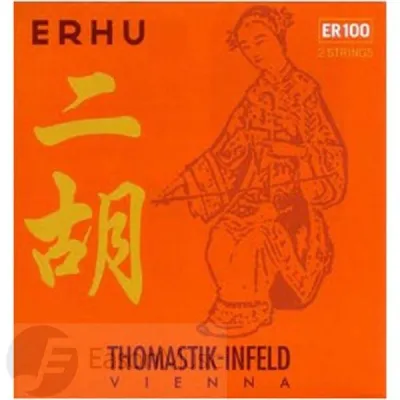
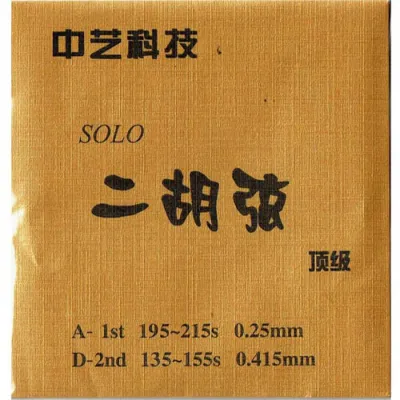
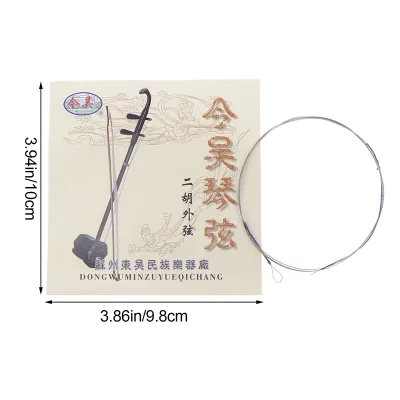
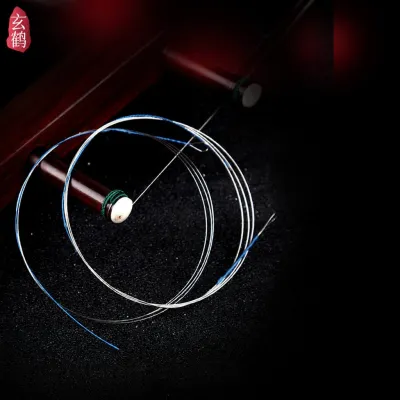
Prices are valid at publication and may change. Please refer to the product page for the latest price.

Steel Strings
Modern steel erhu strings are engineered with a solid high-tensile carbon steel or steel alloy core. To refine the tone and prevent the harshness associated with bare metal, the core is typically wrapped in thin, flat-wound metal windings such as silver, nickel, copper, or specialized alloys. This dense construction results in a stiff string with high mass per unit length. The high density allows the string to withstand significant tension while maintaining a uniform diameter, which ensures highly consistent pitch and rapid vibration transfer to the resonator box (qinto).
Nylon Strings
Commonly referred to as “nylon” strings, these are more accurately described as synthetic-core strings. They feature a multi-filament core made of nylon, perlon, or advanced synthetic polymers, which closely mimics the elasticity of natural gut or silk. This flexible core is then wrapped in a protective metal winding, such as aluminum, silver, or chrome steel. The combination of a highly pliable synthetic core and a dense metal winding bridges the gap between traditional warmth and modern structural stability, offering a flexible structural profile that is significantly less stiff than solid steel.
Silk Strings
Silk strings represent the traditional, historical standard for the erhu before the mid-20th century. They are constructed by twisting multiple strands of natural silk fibers together without any metal winding or protective synthetic barriers. The manufacturing process of silk strings is highly specialized, with strings graded by thickness and thread count (such as 16-thread, 21-thread, or 28-thread sets) to determine their structural tension. Because they consist entirely of organic, fibrous material, silk strings are completely non-metallic, resulting in a highly flexible, low-density string that responds differently to mechanical friction.
Modern Variations and Hybrids
In response to the diverse demands of contemporary musicians, manufacturers frequently develop hybrid strings. These may feature advanced composite cores or specialized alloy coatings designed to combine the bright projection of steel with the warm, expressive qualities of synthetic cores. Because material blends vary significantly between brands, it is crucial to check the manufacturer’s exact specifications and tension ratings rather than relying solely on broad category labels. Always verify that you are purchasing authentic strings from authorized dealers to ensure material purity and manufacturing quality.
Tone Quality, Tension, and Playing Feel Compared
The acoustic output and physical response of each string material under your fingers and bow directly impact your daily practicing and performance experience. The physical properties of steel, nylon, and silk alter both the harmonic spectrum of the instrument and the physical effort required to play it.
Tone Quality and Acoustic Projection
Steel strings produce a bright, brilliant, and highly focused tone with a prominent high-frequency harmonic profile. They offer exceptional volume and acoustic projection, allowing the erhu to cut through dense Chinese orchestral arrangements or modern ensemble textures. However, if played with poor technique, steel strings can sound overly bright, metallic, or harsh.
Nylon strings deliver a warm, round, and rich fundamental tone with a smooth, vocal-like quality. They naturally damp some of the harsh, high-frequency overtones that steel strings produce, resulting in a more forgiving sound that blends beautifully in solo performances. The transition between the inner and outer strings is often more seamless on nylon sets.
Silk strings yield a quiet, intimate, and breathy tone characterized by complex, earthy overtones. Often described as having an “ancient” or “guqin-like” resonance, they lack the sheer volume and projection of modern strings. Instead of a sharp, metallic ring, silk strings produce a soft, woody whisper that is highly suited for quiet, contemplative solo playing or small, traditional acoustic gatherings.
Tension and Bowing Feel
Because steel strings require high tension to reach standard pitch, they offer a firm, springy resistance against the bow hair. This high tension provides a quick acoustic response or “bite,” allowing for rapid articulation and fast bow strokes. However, it requires precise bow control; any unevenness in pressure can result in squeaking.
Nylon strings operate at a moderate, more forgiving tension. The bow hair grips the synthetic winding smoothly, allowing for easier control over dynamic transitions from pianissimo to forte. This moderate tension reduces the likelihood of accidental surface noise, making it easier to maintain a consistent tone.
Silk strings operate under very low tension, requiring a highly specialized, delicate bowing technique. Heavy bow pressure will immediately choke the vibration of the string, resulting in a scratching sound rather than a clear tone. Players must use a lighter, slower bow stroke, relying on precise friction rather than downward force to draw out the sound.
Left-Hand Feel and Articulation
Under the fingers of the left hand, steel strings feel stiff and unyielding. This high tension can cause finger fatigue during extended practice sessions and demands strong finger calluses. On the positive side, the stiffness provides highly precise, immediate feedback for intonation and sharp, crisp ornaments.
Nylon strings are physically softer and much more comfortable under the fingertips. The lower stiffness facilitates a smoother, wider vibrato (rouxian) and effortless sliding techniques (glissando or chuanzhi), making them highly comfortable for long practice sessions.
Silk strings are exceptionally soft to the touch but present unique challenges for intonation. Because of their low tension, they are highly sensitive to finger pressure. Pressing too hard against the string will stretch it and bend the pitch sharp. Players must develop a highly sensitive, lightweight left-hand touch to maintain accurate intonation.
Durability, Maintenance, and Environmental Sensitivity
The practical upkeep, lifespan, and environmental vulnerabilities of each material are critical factors when calculating long-term costs and maintenance routines. This is especially relevant in tropical climates like Singapore, where high humidity and temperature fluctuations can rapidly degrade musical instrument components.
Environmental Sensitivity and Lifespan
Steel strings are highly durable and stable under varying environmental conditions. However, in high-humidity environments, non-coated steel strings are highly susceptible to rust and oxidation caused by moisture and sweat from the player’s fingers. Rust roughs the surface of the string, destroying its tonal clarity and rapidly wearing down bow hair.
Nylon strings offer excellent environmental stability. The synthetic core is entirely unaffected by humidity and temperature changes, making them highly reliable in tropical climates. While they do not rust, their metal winding can gradually wear down, flatten, or unravel over months of heavy use, and the synthetic core will eventually lose its elasticity and tonal focus.
Silk strings are extremely fragile and environmentally sensitive. Natural silk is highly hygroscopic, meaning it actively absorbs moisture from the air. In humid conditions, silk strings swell, lose tension, and suffer from severe pitch instability. Conversely, sudden dry conditions can cause them to become brittle and snap. They are prone to fraying and breaking under normal playing conditions and require frequent replacement.
Maintenance and Climate Care
To maximize the lifespan of your strings and protect your instrument, implement a consistent maintenance routine. Always refer to the care instructions provided by your string manufacturer, but general best practices include:
- Wiping the Strings: After every playing session, use a clean, dry microfiber cloth to wipe down both strings. This removes acidic sweat, skin oils, and accumulated rosin dust (songxiang), preventing premature corrosion on steel and winding wear on nylon.
- Rosin Management: Avoid over-rosining your bow, as excess rosin build-up on the strings dampens vibrations and ruins tonal clarity. Clean the strings regularly to prevent sticky build-up.
- Bridge and Qianjin Inspection: Periodically inspect the wooden bridge (qinma) and the string tie (qianjin). Ensure the strings have not cut too deeply into the wood of the bridge or the felt damper pad, as deep grooves pinch the strings and restrict vibration.
- Climate-Controlled Storage: Store your erhu in a high-quality, padded case. In humid regions like Singapore, place silica gel desiccant packs inside the case, or store the instrument in a room with a dehumidifier set to a stable relative humidity of 50% to 60%. This is absolutely vital if you choose to use traditional silk strings.
How to Choose Based on Skill Level and Repertoire
To select the most appropriate string material, evaluate your current playing abilities, your instrument’s physical build, and the specific musical styles you wish to perform.
Choosing for Your Skill Level
For beginners, synthetic-core (nylon) strings are highly recommended. The moderate tension and soft physical feel reduce finger pain, helping new players build finger strength without excessive physical strain. Furthermore, their forgiving nature makes it easier to produce a warm, pleasing tone even before mastering perfect bow control, which builds confidence during the early stages of learning.
Intermediate to advanced players should choose based on their performance environment. If you perform in Chinese orchestras, participate in graded exams, or play modern solo pieces, transition to steel strings to achieve the necessary volume, projection, and fast articulation. If your focus is on expressive, lyrical solo performances where tonal warmth and smooth vibrato are preferred, high-quality nylon strings remain an excellent choice.
Matching Repertoire and Style
Your choice of repertoire should heavily influence your string selection. Traditional and historical regional styles, such as Jiangnan Sizhu (江南丝竹) or traditional Cantonese music, are best expressed using silk strings. The breathy, quiet, and organic voice of silk is essential for capturing the historical authenticity and subtle nuances of these regional genres.
Conversely, modern and contemporary erhu concertos require the wide dynamic range, extended techniques, and powerful projection that only steel or advanced synthetic strings can provide. Pieces featuring rapid string crossings, high-position shifting, and aggressive bowing techniques will quickly overwhelm silk strings, making steel or high-tension synthetics mandatory.
Setup Verification and Safety Boundaries
Before changing to a different string material, you must verify your erhu’s structural condition. Switching from low-tension silk or nylon strings to high-tension steel strings significantly increases the downward force exerted on the python skin soundboard and the forward pull on the neck.
If your erhu is an antique, has a thin or fragile neck, or features a highly aged, loose python skin, installing high-tension steel strings can cause irreversible structural damage, such as neck warping or tearing of the skin. Inspect the bridge, soundpost (dunzi), and neck joint. If you are uncertain about your instrument’s structural integrity or how to safely adjust it for higher tension, stop immediately and consult a qualified luthier or professional instrument technician.
Frequently Asked Questions (FAQ)
Can I mix steel and nylon strings on the same erhu?
Mixing steel and nylon strings on the same erhu is not recommended. Because steel and nylon have completely different tension profiles and elastic properties, mixing them will exert uneven physical forces on the wooden bridge and the python skin soundboard. This uneven tension can cause the bridge to tilt, warp, or slide out of alignment, resulting in poor vibration transfer and potential structural stress on the skin. To ensure balanced tension, consistent left-hand feel, and optimal acoustic transfer, always install a matched, complete set of strings designed by the manufacturer to work together.
How often should I change my erhu strings?
Rather than relying on a strict calendar timeframe, monitor your strings for physical and acoustic signs of wear. You should replace your strings if you observe a noticeable loss of tonal brightness, difficulty maintaining stable intonation, visible rust or oxidation on steel, or fraying and flattening of the metal winding on nylon. For daily players, steel and nylon strings typically maintain their optimal performance for roughly six to twelve months, though they should be changed sooner if the tone begins to sound dull or dead. Silk strings require much more frequent replacement due to natural fiber degradation and physical fraying under the friction of the bow.
Do I need to adjust my erhu setup when switching string materials?
Yes, switching string materials often requires physical adjustments to your erhu setup to accommodate differences in thickness, tension, and elasticity. You may need to reposition or change the height of the wooden bridge (qinma), adjust the thickness of the felt damper pad (qin垫) beneath the bridge to control unwanted overtones, or adjust the height and tightness of the qianjin string tie. Be aware that permanent or highly delicate adjustments, such as filing the string slots on a bridge or altering the instrument’s structural components, should only be performed by a qualified instrument technician to prevent permanent damage to your erhu.
Community discussion
Share your experience or ask a question. Comments are reviewed before publication.