
When choosing a tongue drum, your decision ultimately rests on a fundamental trade-off: steel tongue drums deliver bright, highly resonant, and metallic tones with an exceptionally long sustain, whereas wood tongue drums produce warm, earthy, and percussive sounds with a much faster decay. Both materials offer distinct physical and acoustic properties that appeal to different playing styles, musical goals, and environmental settings.
Choose Steel if:
- You seek a meditative, resonant soundscape with lingering notes that blend into one another.
- You intend to play ambient, melodic, or sound healing music.
- You require a highly durable instrument that can withstand minor physical impacts and outdoor travel.
Choose Wood if:
Products mentioned in this guide

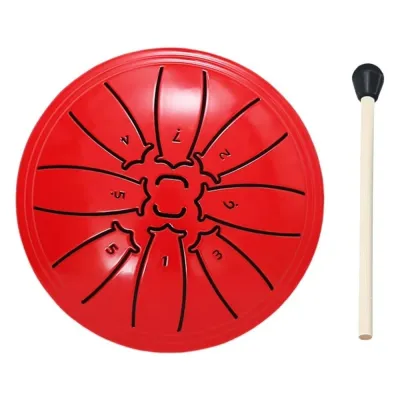


![[fedya]Rain Drum for Outside Steel Tongue Drum 8Notes 6 Inches Chakra Tank Drum Steel Percussion Padded Mallets](https://img.lazcdn.com/g/p/c39f0958f07e13c3b7cd3d583d628d39.jpg_400x400q80.jpg_.webp)

Prices are valid at publication and may change. Please refer to the product page for the latest price.
- You prefer a mellow, organic, marimba-like timbre with clean note separation.
- You want a highly portable, lightweight instrument for casual travel or quiet indoor sessions.
- You enjoy a tactile, hands-on playing experience that responds well to direct finger strikes.
Verify first if:
- You live in a highly humid environment, such as Singapore. Both materials require active climate care to prevent rust or structural warping, making proper storage essential.
Sound Profile: Bright Steel vs Warm Wood
The acoustic properties of these two materials diverge significantly, dictating the musical genres and environments where each instrument excels. Understanding these tonal differences is key to matching the drum to your personal goals.
Steel Tongue Drums: Resonance and Clarity
Steel tongue drums are typically crafted from metal alloys, such as carbon steel, stainless steel, or nitrided steel. When struck, the metal tongues vibrate intensely, creating a bright, clear, and highly metallic timbre. This vibration propagates through the entire metal shell, producing rich overtones and a remarkably long sustain. Because the notes ring out and blend into one another, steel drums excel at creating ethereal, floating soundscapes. This makes them a preferred choice for sound therapy, yoga studios, and personal meditation practices where the goal is to induce a relaxed, calm state. The volume is generally louder and projects further, allowing the sound to fill large rooms easily.
Wood Tongue Drums: Warmth and Percussion
Wood tongue drums, often referred to as log drums or slit drums, are constructed from hardwoods like padauk, maple, cherry, or walnut. Rather than relying on the ringing vibration of metal, wood drums produce sound through the resonance of air inside a hollow wooden chamber. This results in a warm, mellow, and deeply organic tone with a much shorter sustain and a softer attack. The acoustic profile is highly percussive, closely resembling a marimba, xylophone, or kalimba. The notes are distinct and do not blend or overlap as heavily as those of a steel drum, making wood exceptionally well-suited for rhythmic compositions, acoustic folk accompaniments, and quiet indoor environments where a softer volume is preferred.
Playing Dynamics and Techniques
Playing dynamics also differ significantly between these two materials. Steel tongue drums are highly sensitive and responsive to rubber-headed mallets. Mallets allow for sharp, clear note articulation with minimal effort, projecting the sound across large rooms or outdoor spaces. While you can play steel drums with your hands, doing so requires a precise, snapping finger technique to elicit a clear tone without dampening the vibration. Conversely, wood tongue drums are incredibly tactile and highly rewarding when played with bare hands or fingers. The soft, natural texture of the wood invites direct hand contact, allowing you to control the volume and dampening naturally. While wooden mallets with soft felt heads are sometimes used, hand playing remains the preferred method for many wood drum enthusiasts.
Portability and Weight: Traveling With Your Drum
Physical dimensions and weight play a critical role in how often you will use your instrument, especially if you plan to transport it.

Weight Comparison
Steel tongue drums are inherently heavy. Because they are constructed from thick metal alloys to maintain structural integrity and tuning stability, even a medium-sized 10-inch steel drum can weigh between 2 to 4 kilograms. Larger 12-inch or 14-inch models can easily exceed 5 kilograms. Carrying a heavy metal drum over long distances can quickly lead to fatigue, making them less ideal for spontaneous outdoor hikes or casual trips unless you have dedicated transport. Wood tongue drums, by contrast, are remarkably lightweight. Hardwood panels are thin and hollow, which significantly reduces their overall mass. A standard wooden tongue drum of comparable size often weighs less than half of its steel counterpart. This lightweight nature makes wooden drums highly portable, allowing you to slip them into a backpack, carry-on bag, or tote bag without feeling weighed down.
Size and Form Factor
The material also dictates the shape and form factor of the instrument. Steel drums almost always feature a rounded, dome-like, or bowl-shaped geometry. This spherical design is necessary to project the sound outward and create a resonant chamber. This shape can be bulky and awkward to pack into standard rectangular bags. Wood drums, however, are frequently designed in compact, box-like, or rectangular shapes. This geometric efficiency makes them easier to stack, store in small apartments, or pack flat alongside other travel gear.
Transit Durability
Transit durability is another key factor. Steel is incredibly tough and highly resistant to crushing or cracking during transport. However, it is not immune to damage; a hard drop on concrete can dent the metal or scratch the protective powder coating, which may affect the tuning or expose the underlying metal to rust. Wood is more susceptible to cosmetic damage like surface scratches, minor dings on the corners, or finish wear if it rubs against other items. To prevent this, always transport your wooden drum in a padded gig bag.
Durability and Maintenance: Managing Humidity and Wear
Maintaining your instrument is essential to preserving its sound quality and structural integrity over time, particularly when dealing with different materials.
Steel Maintenance and Rust Prevention
Steel tongue drums face one primary environmental threat: oxidation. When exposed to moisture, sweat from your hands, or high humidity, steel can rust. To prevent this, always wipe the drum down with a clean, dry microfiber cloth immediately after playing to remove natural skin oils and perspiration. Depending on the manufacturer’s specific care instructions, you may also need to occasionally apply a light coat of protective oil, such as mineral oil or specialized instrument wax, to seal the metal surface against moisture. Always check the applied product’s label and follow the manufacturer’s care instructions before applying any oils.
Wood Maintenance and Structural Care
Wood tongue drums require a completely different maintenance approach. Wood is an organic, hygroscopic material, meaning it constantly absorbs and releases moisture from the surrounding air. Rapid shifts in humidity can cause the wood to expand, contract, warp, or even split along the grain. Extreme dryness, often caused by leaving the drum directly under air conditioning vents, can lead to cracking. To maintain a wooden drum, keep it away from direct sunlight, heating elements, and dry drafts. Periodically applying a wood-safe conditioning oil or beeswax finish, as recommended by the manufacturer, helps preserve the wood’s natural moisture balance and keeps the finish looking vibrant.
Climate Considerations for Singapore
In Singapore, the tropical climate presents unique challenges for both materials due to consistently high ambient humidity levels. Relative humidity often hovers around 80% or higher, which accelerates rust on steel and causes wood to swell, potentially shifting the instrument’s pitch. To safeguard your investment, store your tongue drum inside a high-quality padded case when it is not in use. Placing several rechargeable silica gel packets or a small dehumidifying sachet inside the case will create a controlled, low-moisture microclimate. Avoid storing either instrument in damp areas like balconies or unventilated closets, and try to keep them in rooms with stable, moderate temperatures.
Price and Buying Checklist: What to Verify Before You Pay
When budgeting for a tongue drum, you will find that prices vary widely based on material, craftsmanship, and brand reputation.
Value Proposition and Pricing Bands
Generally, steel tongue drums sit in a broad price band ranging from budget-friendly options (around S$50 to S$150) to premium, hand-tuned artisan models that can exceed S$500 to S$1,000. The higher cost of premium steel drums reflects the labor-intensive process of cutting, heat-treating, and fine-tuning each individual tongue to precise Hertz frequencies. Wood tongue drums can also span from affordable entry-level models (S$80 to S$200) to expensive, custom-made hardwood pieces crafted by specialized luthiers. High-end wooden drums made from exotic tonewoods with intricate joinery will naturally command a premium price.
Buying Checklist
Before finalizing your purchase, verify these essential specifications to ensure the instrument meets your musical needs:
- Note Count and Scale: Beginners often find 8-note or 11-note drums easier to navigate, while experienced musicians may prefer 15-note models for greater melodic range. Ensure the scale matches your goals; pentatonic scales (like C major pentatonic) are highly intuitive because every note harmonizes with the others, making it impossible to play a discordant note. Diatonic or minor scales (such as D minor) offer a more dramatic, emotional, or meditative quality.
- Tuning Standard: Check whether the drum is tuned to the standard A=440Hz frequency or the alternative A=432Hz frequency. A=440Hz is the universal tuning standard, making it easy to play alongside other instruments like guitars, pianos, or digital tracks. A=432Hz is often favored for solo meditation and sound healing due to its slightly warmer, more relaxed acoustic properties, but it will sound out of tune if played with standard instruments.
- Included Accessories: A complete package should include a pair of matching mallets (rubber-headed for steel, or soft-wound/felt mallets for wood), a well-padded carrying case with shoulder straps, and occasionally a small stand or rubber feet to isolate the drum from hard surfaces.
Quality Indicators
Quality indicators are vital to inspect before buying. For steel drums, check that the tongue cuts are clean, smooth, and free of sharp metal burrs, and ensure the protective paint or powder coating is applied evenly. For wooden drums, look for tight, seamless wood joints, a smooth sanded finish with no rough patches, and a high-quality sealant that protects the wood from moisture. Always verify the edition, language of any instructional booklets, and authorized source before purchasing.
Final Decision: Matching the Drum to Your Lifestyle
Ultimately, neither material is objectively superior; the right choice depends entirely on your personal lifestyle, aesthetic tastes, and acoustic preferences. Your instrument should seamlessly integrate into your daily routine and living space.
To make your final decision, apply this simple rule of thumb: If your primary goal is to create deep, lingering, meditative soundscapes with rich overtones, and you plan to play mostly in a fixed location or don’t mind carrying a heavier instrument, invest in a high-quality steel tongue drum. If you prioritize lightweight portability, a warm and earthy acoustic tone that won’t disturb neighbors, and a tactile, hand-played experience, a wooden tongue drum is your ideal match.
Before committing, always check the retailer’s return and exchange policies, especially regarding tuning accuracy. If possible, visit a local music store to play both materials in person; feeling the physical vibration and hearing the acoustic resonance firsthand is the best way to ensure you choose the perfect drum for your musical journey.
Frequently Asked Questions (FAQ)
Can I play a steel tongue drum outdoors in humid weather?
Yes, you can play a steel tongue drum outdoors, but you must take precautions against high humidity and moisture. Humid air and sweat from your hands can quickly initiate rust on steel surfaces. Avoid playing in direct rain, near saltwater spray, or leaving the drum on damp grass. After your outdoor session, thoroughly wipe down the entire drum with a dry microfiber cloth and store it back in its protective case with a silica gel packet to absorb any lingering moisture.
Do wood tongue drums need to be tuned?
Unlike some metal tongue drums that feature adjustable magnets or tuning slots, wood tongue drums are permanently cut and tuned during the manufacturing process. You cannot easily retune them yourself. While high-quality wood drums hold their pitch incredibly well, extreme fluctuations in humidity and temperature can cause the wood to expand or contract, temporarily shifting the pitch. Storing your wooden drum in a stable, climate-controlled environment is the most effective way to maintain its original tuning.
Which material is better for beginners?
Both materials are exceptionally beginner-friendly because they are typically tuned to harmonious scales where no two notes sound discordant. However, your specific focus can guide your choice. Wood tongue drums are often better for young children or casual hobbyists because they are lightweight, easy to hold, and have a softer, self-contained volume. Steel tongue drums are highly recommended for beginners interested in meditation, yoga, or sound therapy, as the long sustain and rich overtones make it easy to create beautiful, relaxing soundscapes with very simple playing techniques.
Community discussion
Share your experience or ask a question. Comments are reviewed before publication.