
Selecting the right string instrument accessories is a balancing act between protecting your investment and supporting your current technical development. The gear you actually need depends entirely on your playing level, as buying advanced tools too early can lead to wasted budget, while neglecting basic protection can result in costly instrument repairs. By aligning your purchases with your current skill stage, you ensure that every dollar spent directly improves your playing experience or safeguards your instrument.
Identify Your Playing Level and Core Needs
Every musician progresses through distinct stages, each accompanied by unique equipment demands. Beginners must focus on establishing correct physical habits, training their ears, and protecting their initial instrument investment from accidental damage. At this foundational stage, simple and highly functional tools are far more valuable than complex gear that requires a steep learning curve.
As players transition to the intermediate stage, their needs shift toward refining their tone, expanding their musical repertoire, and improving practice efficiency. This is the phase where musicians begin playing with others, practicing more frequently, and taking ownership of basic instrument maintenance. Accessories at this level should remove friction from daily practice and allow for basic tonal exploration.
Products mentioned in this guide

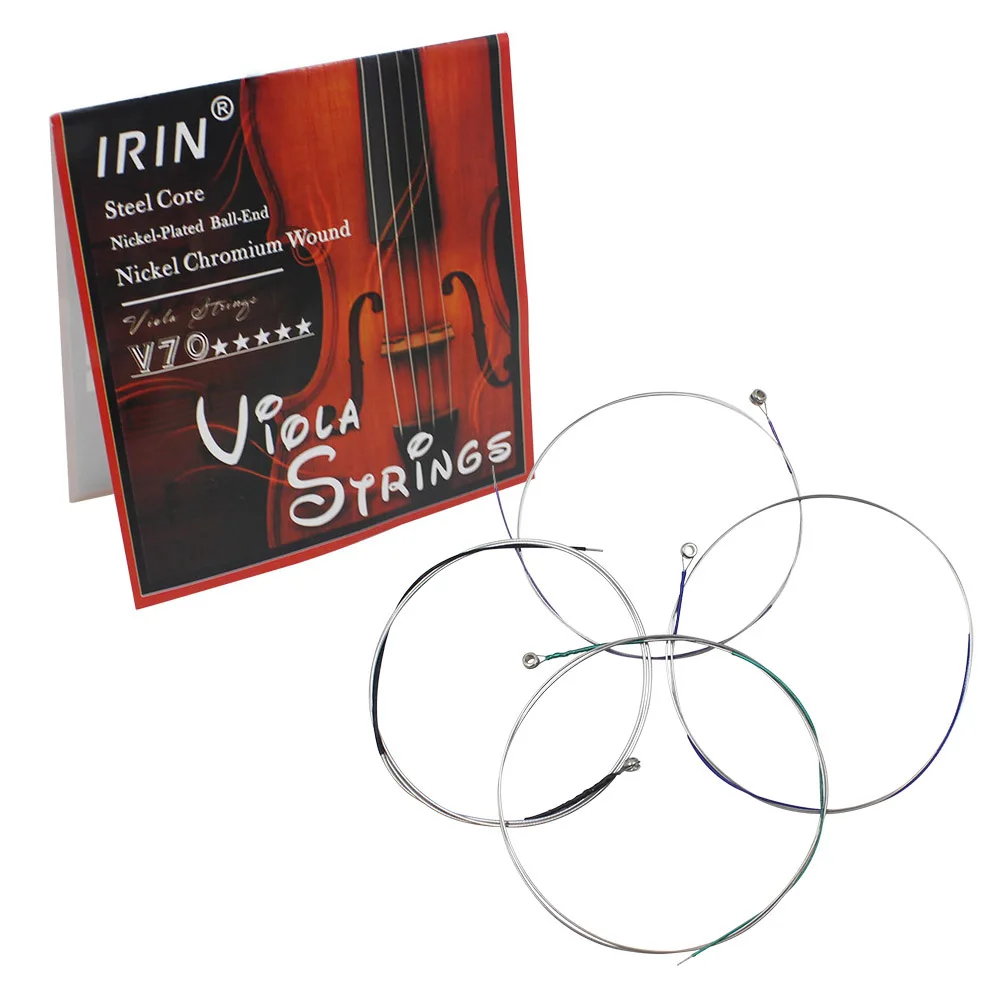

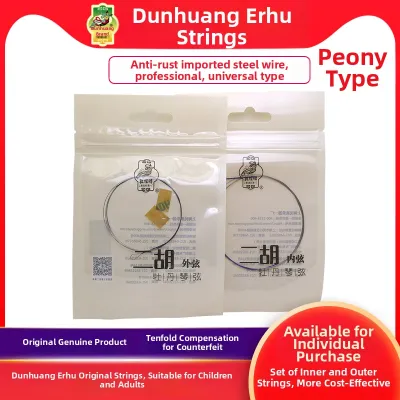


Prices are valid at publication and may change. Please refer to the product page for the latest price.
Advanced players and performing musicians require professional-grade reliability, precise environmental control, and specialized tools for stage performance. At this level, instruments are often highly valuable, making precise maintenance and robust protection non-negotiable. Gear decisions are driven by the demands of live performance, recording environments, and long-term preservation.
Before purchasing any new accessory, ask yourself a simple diagnostic question: “Does this item solve a specific, recurring problem in my daily practice, or does it actively protect my instrument from damage?” If the answer is no, the accessory is likely a luxury that can be deferred in favor of core essentials or professional instruction.
Beginner Essentials: Protecting Your Instrument and Building Basics
When starting out, your primary goals are to establish consistent practice habits and keep your instrument safe from common household hazards. The market is flooded with tempting add-ons, but a streamlined kit of high-quality basics is all you need to get started.

Must-Haves for Beginners
- Clip-On Tuners and Metronomes: Developing accurate pitch and a steady internal sense of rhythm is critical from day one. A clip-on tuner detects physical vibrations directly from your instrument's headstock or scroll, making it highly accurate even in noisy practice rooms. While smartphone tuning and metronome apps are excellent, cost-effective alternatives for quiet spaces, a dedicated clip-on tuner remains a reliable, distraction-free tool.
- Padded Gig Bags: A lightweight, padded soft case is essential for protecting your instrument from scratches, dust, and minor bumps at home or during local travel. Look for a bag with at least 10mm to 15mm of high-density foam padding, sturdy zippers, and comfortable backpack straps to make commuting to lessons easier.
- Ergonomic Supports: For guitarists and bassists, a wide, adjustable strap is necessary to maintain a healthy playing height and distribute weight evenly across the shoulder. For violinists and violists, a properly fitted shoulder rest is essential to prevent neck strain and support correct posture, which prevents chronic tension from developing.
- Daily Maintenance and Sound Production Tools: A clean microfiber cloth is a simple but vital tool for wiping away finger oils, sweat, and rosin dust after every single practice session. Guitarists should stock up on a variety of standard picks in different thicknesses to discover their physical preference, while bowed string players must have a block of standard, reliable rosin to ensure proper grip between the bow hair and the strings.
What to Skip for Now
- Complex Electronics and Boutique Strings: Beginners do not yet have the finger strength, calluses, or refined technique required to appreciate or control subtle tonal variations. Investing in expensive multi-effects pedals, complex signal chains, or high-end boutique strings is an unnecessary expense that often distracts from learning fundamental mechanics.
- Heavy Hard Flight Cases: Unless you are regularly traveling by air or touring in heavy transport vehicles, a heavy hard-shell flight case is unnecessary. These cases add significant weight, making public transit commutes highly inconvenient, and their high cost is better allocated toward quality lessons or upgrading your core instrument later.
Intermediate Upgrades: Refining Tone and Practice Efficiency
Once you can play basic pieces comfortably and practice regularly, you will begin to notice the limitations of your initial setup. Intermediate accessories are designed to help you explore new musical styles and take active responsibility for your instrument’s physical condition.
Essential Upgrades
- Capos and Practice Mutes: For fretted instrument players, a reliable spring-loaded or screw-tension capo instantly unlocks new keys and vocal ranges without requiring complex transpositions. For classical string players, a heavy rubber or metal practice mute dampens the instrument's volume significantly, allowing for quiet late-night practice sessions without disturbing family members or neighbors.
- Sturdy Instrument Stands: Keeping your instrument packed away in a closed case can create a psychological barrier to spontaneous practice. A stable, heavy-base floor stand keeps your instrument highly visible and easily accessible, encouraging more frequent practice while keeping it safe from being leaned against unstable chairs or walls.
- Basic Maintenance Kits: Taking ownership of routine upkeep saves money and deepens your connection to your instrument. A basic kit should include a string winder, a bridge pin puller (for acoustic guitars), and a manufacturer-approved polish. Caution: Always check your instrument manufacturer's care guidelines to ensure any polish or cleaner is compatible with your instrument's specific finish, as delicate finishes like nitrocellulose can be permanently damaged by incorrect formulas.
- Mid-Tier Replacement Strings: Factory-installed strings are often of lower quality and lose their brightness quickly. Upgrading to reputable mid-tier strings offers a noticeable improvement in tone, projection, and tuning stability, helping you develop a more sensitive ear for tonal nuances.
Optional Additions
- Entry-Level Audio Interfaces: For players interested in recording their practice, analyzing their performance, or sharing music online, a simple USB audio interface paired with a budget-friendly dynamic microphone is a valuable tool. Hearing a high-quality playback of your playing is one of the fastest ways to identify subtle timing and pitch errors.
- Upgraded Ergonomic Straps: If you find yourself practicing for longer stretches or performing in local community ensembles, upgrading to a premium strap with memory foam or neoprene padding can dramatically reduce physical fatigue and shoulder strain.
- Specialized Cleaning Solutions: While a dry microfiber cloth handles daily dust, specialized fretboard conditioners (such as lemon oil for unfinished dark wood fingerboards) can be used sparingly during string changes. Always verify your instrument's wood type and finish with the manufacturer before applying any oils, and never use lemon oil on finished maple fretboards.
Advanced Gear: Professional Maintenance and Stage Reliability
For advanced players, semi-professionals, and dedicated collectors, accessories are no longer just about convenience; they are about absolute reliability, professional-grade performance, and preserving high-value instruments.
Performance and Touring Gear
- TSA-Approved Hard Flight Cases: For musicians who travel frequently by air or tour extensively, a heavy-duty flight case with a molded interior, impact-resistant outer shell, and TSA-approved locks is a necessity. These cases are engineered to withstand the extreme physical impacts, pressure changes, and temperature drops associated with cargo holds.
- Professional Stage Electronics: Performing live requires clean, feedback-free sound transmission. Advanced acoustic players rely on high-quality Direct Input (DI) boxes, acoustic preamps, and professional-grade pickups to ensure their instrument's natural tone is accurately projected through large venue sound systems without interference.
- Premium Bows and Strings: Advanced orchestral players often invest in high-performance carbon fiber or select Pernambuco bows, which offer superior balance, articulation, and responsiveness. At this level, players also choose premium, specialized strings tailored to their instrument's unique acoustic voice to maximize dynamic range.
Precision Maintenance and Environment Control
- Luthier and Setup Tools: Advanced players who prefer to adjust their own action, relief, and intonation use precision tools such as string action gauges, fret rockers, and under-string radius gauges. Warning: Always consult the manufacturer's exact specifications or a professional luthier before making any adjustments to your truss rod, bridge, or nut slots, as improper modifications can cause irreversible structural damage.
- Climate-Controlled Storage and Monitoring: High-end wooden instruments are incredibly sensitive to environmental shifts. Advanced players use precision digital hygrometers to monitor ambient humidity levels constantly and invest in specialized climate-control packets or dedicated room dehumidifiers to keep their instruments within safe structural limits.
How to Prioritize Your Accessory Budget and Avoid Overspending
To build a sensible gear setup without overspending, adopt the “Protect First, Enhance Second” rule. Before spending money on tone-altering pedals, aesthetic upgrades, or premium strings, ensure you have allocated sufficient budget for a protective case, a stable stand, and basic cleaning supplies. Safeguarding your instrument from physical damage and environmental wear must always take priority over cosmetic or tonal enhancements.
When evaluating any new accessory, calculate its value based on your actual usage patterns rather than theoretical benefits. If you practice exclusively in a quiet home environment, an expensive wireless transmitter system offers very little practical return on investment compared to a high-quality music stand or a comfortable, ergonomically supportive chair.
It is also vital to remember that accessories are meant to support your playing, not act as a substitute for proper technique. A premium bow, a high-end pick, or an expensive preamp cannot correct poor hand posture, improper bowing technique, or a lack of consistent practice. Focus your primary energy and resources on developing your skills before relying on specialized gear to solve performance challenges.
Finally, when purchasing high-end electronic accessories, wireless systems, or specialized maintenance tools, always verify the local warranty terms and check for authorized service centers in Singapore. Purchasing through authorized local dealers ensures that you have immediate access to professional technical support, calibration, and replacement parts if a component ever fails.
Frequently Asked Questions (FAQ)
Do I need a humidifier for my acoustic string instrument in Singapore?
Unlike players in dry, cold climates who require humidifiers to prevent wood cracking, musicians in Singapore face the opposite challenge. Singapore’s tropical climate features naturally high ambient humidity, which can cause wood to swell, glue joints to soften, and mold to develop. Instead of a humidifier, local players should focus on dehumidification. Storing your instrument in a stable, air-conditioned room, using silica gel packs or specialized humidity-absorbing packets inside your case, or running a dedicated room dehumidifier are the most effective ways to keep your instrument safe. Always consult your instrument manufacturer’s care instructions to identify the optimal relative humidity range, which is typically between 45% and 55%.
How often should I replace my strings?
There is no single calendar schedule for changing strings, as their lifespan is determined by how often you play, the chemical acidity of your sweat, and your local environment. You should replace your strings when you notice clear signs of degradation, such as a dull or lifeless tone, difficulty staying in tune, visible rust, discoloration, or a rough physical texture along the fretboard. Casual players may only need to change their strings every few months, while daily practitioners or those with highly acidic sweat might need to replace them every few weeks. If you find your strings corroding quickly, consider trying coated strings, which feature a microscopic protective barrier that resists sweat and dirt to extend overall lifespan.
Community discussion
Share your experience or ask a question. Comments are reviewed before publication.