
Choosing the right Bible for your self-improvement journey depends entirely on how you process information and build habits. If your primary goal is to establish a consistent, distraction-free daily reading routine, a standard edition offers the clean layout and portability you need. For those who approach personal growth through rigorous intellectual analysis, historical context, and deep learning, a study Bible provides the necessary academic tools and commentary. If you find that writing, sketching, and emotional reflection are your primary pathways to personal development, a journaling Bible with wide margins is the most effective choice.
Aligning your physical book with your cognitive style ensures that your reading practice remains sustainable. A mismatch can quickly lead to frustration—such as feeling overwhelmed by dense footnotes when you simply want a quiet moment of reflection, or feeling limited by a lack of space when inspiration strikes. By evaluating your daily schedule, learning preferences, and personal goals, you can select an edition that serves as a practical tool for lifelong growth.
Identify Your Personal Development Approach
Before browsing online marketplaces or visiting a local bookstore, take a moment to diagnose your primary learning style. Personal development is not a one-size-fits-all endeavor; some individuals thrive on structured academic study, while others require creative, hands-on interaction. Ask yourself whether you are looking to build a simple daily habit, gain deep historical knowledge, or engage in active, reflective mindfulness.
Products mentioned in this guide

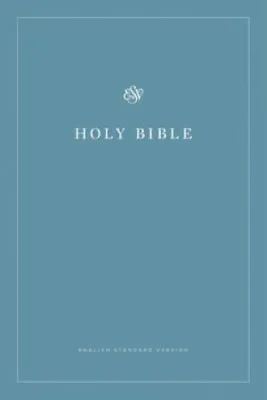

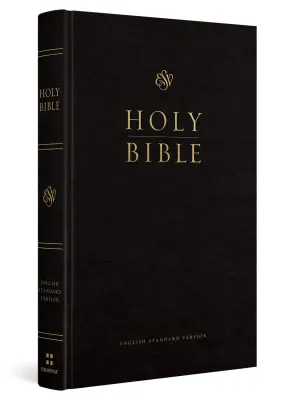
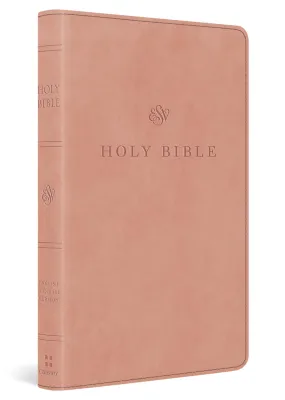
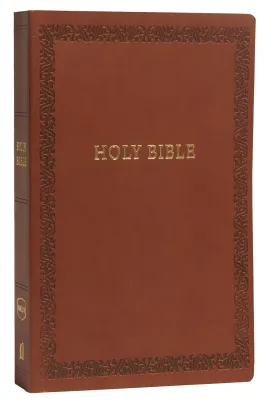
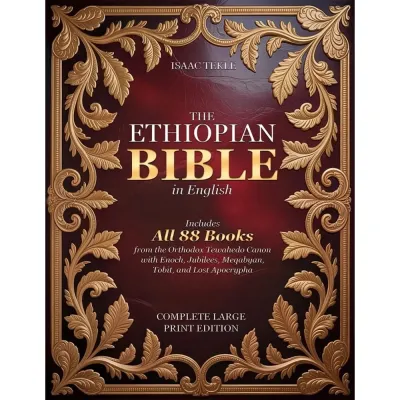
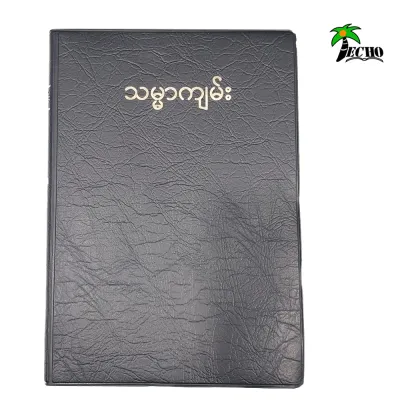
Prices are valid at publication and may change. Please refer to the product page for the latest price.
Your daily schedule and environment also play a significant role. If you plan to read during your daily commute on the MRT or during lunch breaks, portability and physical weight will be your primary concerns. Conversely, if you have a dedicated study desk at home and prefer to spend long, uninterrupted sessions on weekends analyzing texts, a larger and heavier volume will not pose an obstacle.
Additionally, consider your need for supplementary context. The Bible is an ancient library written across different cultures, languages, and eras. If you find yourself constantly pausing to look up historical backgrounds or cultural customs, your self-improvement goals will be better served by an edition that integrates these resources directly. If you prefer to let the text speak to you directly without external interpretation, a simpler layout is far more appropriate.
Standard Edition Bibles for Habit Building and Daily Reading
For many readers, the greatest hurdle in personal development is consistency. If your primary objective is to cultivate a reliable daily reading habit, a standard edition Bible is the most practical starting point. These editions present the text clearly, without the visual distraction of extensive commentary, cross-references, or blank margins. This minimalist design allows you to focus entirely on the narrative flow and the immediate impact of the words.

Standard Bibles are highly valued for their portability and accessibility. Because they do not require extra paper for notes or commentary, they are typically much thinner and lighter than study or journaling editions. This makes them easy to slip into a daily carry bag, allowing you to maintain your reading routine on the go. Furthermore, because they are less complex to print and bind, standard editions are generally available at highly accessible price points, making them an excellent investment for beginners.
However, standard editions do come with distinct limitations. If you encounter a complex passage or an unfamiliar historical reference, you will not find immediate explanations on the page, requiring you to consult external resources. Additionally, the margins are typically narrow, leaving virtually no room for writing down personal insights, prayers, or action plans directly next to the text.
Study Bibles for Deep Learning and Contextual Understanding
If your approach to self-improvement is analytical, a study Bible can transform your reading into a structured educational experience. These editions are designed for readers who want to understand the historical and theological context behind the text. Alongside the scripture, you will find a wealth of resources, including historical introductions for each book, detailed maps, and verse-by-verse commentary written by scholars.
This wealth of information supports highly structured learning goals. For instance, if you want to understand how ancient cultural norms influence modern ethical frameworks, a study Bible provides the necessary context right where you need it. It helps bridge the gap between ancient history and modern application, allowing you to draw more accurate lessons for your personal growth.
The primary trade-off with study Bibles is their physical footprint. Because they contain both the full text and extensive commentary, these volumes are exceptionally thick and heavy. They are rarely suitable for reading on the go and are best kept on a sturdy desk. They also carry a higher price tag due to the extensive editorial work involved. Additionally, some readers find the sheer volume of information overwhelming, as the commentary can sometimes occupy more space on the page than the scripture itself.
Journaling Bibles for Reflective Practice and Creative Expression
For those who process thoughts through writing, sketching, or active meditation, a journaling Bible serves as a creative sanctuary. These editions are characterized by extra-wide, ruled or blank margins on the sides of the text. This layout invites you to interact directly with the page, transforming passive reading into an active, personalized dialogue.
Journaling Bibles are ideal for emotional processing and mindfulness. As you read, you can write down immediate personal reflections, draft prayers, or sketch visual representations of the concepts that resonate with you. This physical act of writing has been shown to improve memory retention and deepen cognitive engagement, making your self-improvement practice far more impactful.
Despite these benefits, journaling Bibles require specific considerations. To accommodate writing and prevent ink from bleeding through, these editions often use thicker, heavier paper, which increases the overall size of the book. They also tend to be more expensive than standard editions. Furthermore, you will need to be selective about your writing instruments; standard gel pens or heavy highlighters can easily bleed through even thicker Bible paper, meaning you may need to invest in specialized, non-bleeding pens.
How to Choose the Right Bible for Your Goals
To make your final decision, begin by matching your primary self-improvement outcome to the corresponding format. If your goal is routine consistency and building a daily habit, start with a standard edition. If your goal is deep knowledge acquisition and intellectual analysis, select a study Bible. If your goal is mindfulness, emotional reflection, and creative expression, choose a journaling Bible.
Once you have identified the category, check the physical specifications of the specific edition you are considering. Pay close attention to the translation version, font size, paper quality, and binding durability. If you plan to use the Bible daily for many years, look for a Smyth-sewn binding rather than a glued binding, as sewn bindings allow the book to lay flat and withstand frequent use without falling apart.
If you remain undecided, there is no shame in starting small. Beginning with an affordable, high-quality standard edition allows you to establish a basic reading habit without a significant financial commitment. As your daily practice evolves and you discover how you naturally interact with the text, you can confidently upgrade to a specialized study or journaling format that aligns perfectly with your established routine.
Frequently Asked Questions (FAQ)
Can I use a standard Bible for journaling if I am on a budget?
Yes, you can easily adapt a standard Bible for reflective writing without purchasing a specialized edition. Many readers keep a separate, inexpensive notebook alongside their standard Bible to record thoughts, prayers, and study notes. This method actually provides unlimited space for writing, which is a significant advantage over the fixed margins of a journaling Bible. Alternatively, you can use sticky notes or transparent vellum inserts to add marginal thoughts directly onto the pages without permanently marking the text.
Which Bible translation is best for personal development and daily reading?
The best translation is one that you find clear and easy to understand. Translations generally fall along a spectrum from word-for-word (formal equivalence) to thought-for-thought (dynamic equivalence). Word-for-word translations, such as the English Standard Version (ESV) or New American Standard Bible (NASB), are excellent for detailed study and analyzing original word meanings. Thought-for-thought translations, such as the New International Version (NIV) or New Living Translation (NLT), prioritize readability and smooth flow, making them highly suitable for daily habit building. We recommend reading sample pages online to see which style resonates most with your personal reading habits.
Do I need multiple Bibles for different self-improvement goals?
While you do not need multiple Bibles to start, many readers eventually find value in using different editions for different contexts. For example, you might keep a compact, lightweight standard edition in your bag for reading during your daily commute, while keeping a comprehensive study Bible or a wide-margin journaling Bible on your desk at home for deeper weekend sessions. However, to avoid unnecessary spending, focus on a single edition first. Establish a consistent reading habit for at least a few months before deciding whether to invest in additional specialized formats.
Community discussion
Share your experience or ask a question. Comments are reviewed before publication.