
Synwin violin strings are a popular, budget-friendly choice for beginner violinists and student musicians. They provide an accessible entry point for those who are testing the waters of string education without committing to a heavy financial investment. However, as players progress to intermediate levels, their tonal and technical demands change, making a comparison with other student and intermediate brands essential.
For beginners, the primary goal is to find strings that are durable, easy to tune, and comfortable under the fingers. Intermediate players, on the other hand, require strings that offer greater tonal warmth, dynamic range, and responsiveness to advanced bowing techniques. Evaluating how these strings perform across these different stages helps players make an informed decision that balances cost with musical growth.
In markets like Singapore, where the high humidity can rapidly affect instrument accessories, choosing the right string material is also a practical maintenance consideration. Budget-conscious families and adult learners often look for options that can withstand environmental factors while keeping ongoing maintenance costs manageable. Understanding the specifications of your strings ensures you do not overpay for performance features you may not yet need.
Products mentioned in this guide
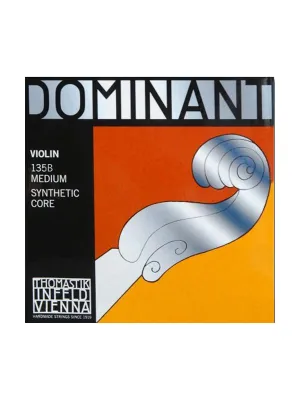
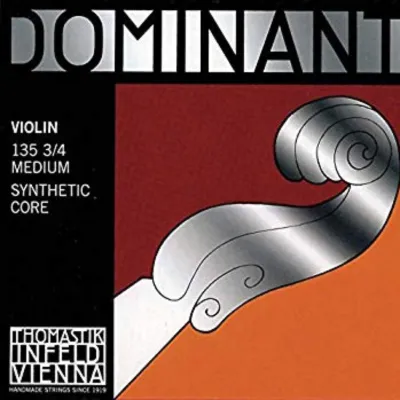



Prices are valid at publication and may change. Please refer to the product page for the latest price.
Understanding Synwin Violin Strings
To set realistic expectations, it is important to identify the baseline specifications and market positioning of Synwin strings. When examining the packaging of these strings, you will typically find that they feature a solid steel core. Steel-core strings are highly favored in the beginner market because they are incredibly durable, resistant to physical wear, and less susceptible to changes in humidity than synthetic or gut alternatives.
These strings are commonly wound with materials like aluminum or chrome steel, which help protect the core and provide a smoother surface for the fingers. Synwin offers these sets in a wide range of fractional sizes, from tiny 1/16 sizes up to full-size 4/4 violins. This makes them a highly practical option for young children who frequently outgrow their instruments and require regular size upgrades.
In terms of market positioning, these strings are designed as an affordable, cost-effective option. They are ideal for early learners, school music programs, and backup instruments that may sit in a case for extended periods. While they may not offer the complex overtones of professional-grade strings, their structural reliability makes them a dependable starting point for the first few years of study.
Key Comparison Dimensions for Student Strings
When comparing student violin strings, evaluating them across several key dimensions ensures you select a set that supports your learning progress. The first dimension is the tonal profile, which refers to the balance of brightness, warmth, projection, and complexity. Steel-core strings generally produce a very bright, clear, and focused sound, which helps beginners hear their intonation clearly but can sometimes sound harsh on naturally bright instruments.

Playability is another crucial factor, encompassing bow response time, ease of pressing the strings down, and overall finger comfort. Strings with lower tension are easier for young or untrained fingers to press against the fingerboard, reducing fatigue during long practice sessions. A responsive string speaks quickly when the bow makes contact, helping students develop clean articulation.
Longevity and durability are especially important for players in humid climates. High humidity can cause sweat and moisture to corrode metal windings, leading to rust, a dull tone, or unraveling. Checking for corrosion-resistant winding materials can extend the lifespan of the strings, ensuring they maintain their structural integrity over months of regular use.
Finally, tuning stability determines how well a string holds its pitch after being tuned. Beginners often struggle with tuning, so strings that settle quickly and resist slipping are highly desirable. Steel-core strings typically excel in this area, as they do not stretch as much as synthetic materials and are less sensitive to temperature fluctuations.
Synwin vs. Common Benchmarks in the Student Market
To understand the value of Synwin strings, it helps to compare them against other common categories in the student market. When compared to other budget steel-core strings, Synwin holds its ground by offering a reliable, straightforward performance at a highly competitive price point, often costing under S$20 to S$30 per set. They provide the bright projection and rapid tuning stability that beginners need to build confidence.
However, when contrasted with entry-level synthetic-core strings, the differences in tone and playability become more apparent. Synthetic-core strings, which use a nylon or composite core, offer a much warmer, rounder, and more complex sound that mimics traditional gut strings. While synthetic strings carry a price premium, they allow intermediate players to experiment with a wider range of dynamics and tonal colors.
Weighing initial cost savings against long-term value is essential for progressing students. While a budget steel set is highly economical upfront, an intermediate player may find that the bright, direct tone limits their ability to perform expressive pieces. For these players, upgrading to a synthetic-core set is often a necessary step to support their developing technique, even if it means a higher initial investment.
Decision Framework: Choosing the Right Strings for Your Level
Choosing the right violin strings depends on your current playing level, budget, and instrument setup. You should choose Synwin strings if you are looking for an affordable, highly durable set for a beginner, a young student using a fractional-sized instrument, or a secondary practice violin. Their resilience and low cost make them excellent for everyday practice where high-end tonal nuance is not yet a priority.
If you are an ensemble or orchestral player who needs maximum projection and an immediate bow response to cut through a large group, premium steel-core brands may be more suitable. These strings are engineered to deliver high volume and clarity, though they still maintain a brighter tonal profile than synthetic options.
For intermediate players who are working on vibrato, shifting, and dynamic shading, investing in synthetic-core strings is highly recommended. These strings provide the warmth and flexibility needed to produce a mature, expressive tone. While they require a larger budget, the improvement in sound quality can make practice sessions much more rewarding.
Before purchasing any new set, verify if your violin requires specific tension adjustments or has structural vulnerabilities. Older instruments or those with delicate bridges can be damaged by high-tension strings. If you are unsure about your instrument’s structural limits, it is always wise to seek a professional luthier’s assessment before installing a new type of string.
Installation and Break-In Expectations
Proper installation is critical to achieving the best performance and longevity from your new violin strings. When changing strings, always replace them one at a time rather than removing all four at once. This practice maintains the constant downward pressure required to keep the bridge and the internal soundpost in their correct positions, preventing costly structural slips.
New strings always require a break-in period, during which they will stretch and slip out of tune frequently. Steel-core strings typically settle within a few hours of playing, while synthetic-core strings can take several days to stretch fully and hold their pitch consistently. Plan to tune your instrument more frequently during the first few days after installation.
To prevent premature string breakage, inspect the grooves on the nut and the bridge where the strings rest. You can rub a soft graphite pencil lead into these grooves to lubricate them, which reduces friction and allows the strings to glide smoothly when you turn the pegs. This simple step protects the delicate windings from unraveling at the contact points.
Frequently Asked Questions (FAQ)
How often should beginner violin strings be replaced?
Beginner violin strings should generally be replaced every six to nine months, depending on how often you practice. You should look for visible signs of wear, such as discoloration, rust, or unraveling metal windings near the bridge or fingerboard. If the strings begin to sound dull, lose their projection, or have difficulty holding their pitch, it is time for a new set. Basing your replacement schedule on total practice hours rather than calendar months ensures you get the best performance from your instrument.
Can I mix Synwin strings with other brands on the same violin?
While you can mix different string brands, doing so can create uneven tension across the bridge and soundpost, which may affect the instrument’s structural balance. Mixing different core materials, such as combining a steel E string with synthetic A, D, and G strings, is a common practice to balance brightness and warmth. However, mixing brands within the same core type can lead to inconsistent volume and tone across the strings. If you want to experiment with a mixed setup, consulting a qualified luthier can help you find a balanced combination.
Community discussion
Share your experience or ask a question. Comments are reviewed before publication.