
Choosing how to display your sheet music is one of the most practical decisions you will make as a musician. Whether you rely on a classic physical binder or a modern digital music file holder, the way you position your notation directly impacts your posture, practice efficiency, and performance confidence. The choice between a traditional music stand and a dedicated tablet holder is not simply a matter of choosing old-school over high-tech; it is about matching your reading habits, physical space, and performance environments to the right tool.
While a traditional stand offers tactile reliability and ample space for expansive physical scores, a digital tablet setup excels in portability, library organization, and adaptability in challenging performance spaces. By evaluating your primary sheet music format and where you practice most often, you can build a setup that keeps your focus entirely on the music.
Assess Your Sheet Music Format and Practice Environment
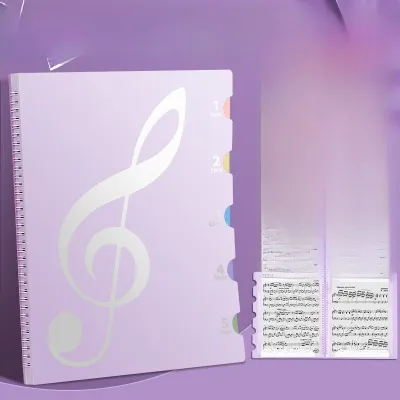
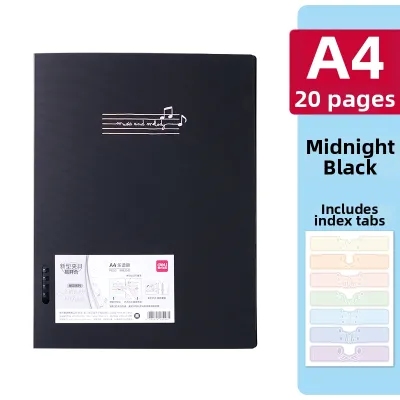
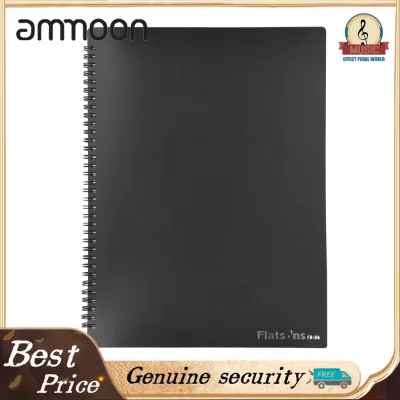
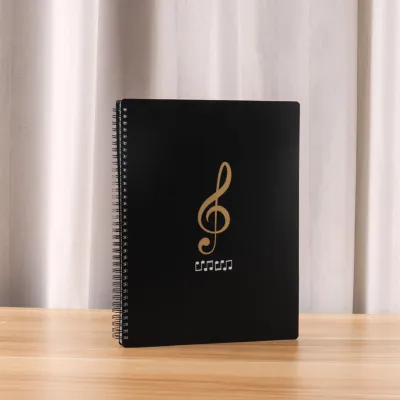
To determine the ideal setup, start by evaluating your current music library. If your collection consists primarily of thick anthology books, spiral-bound notebooks, or loose-leaf sheets stored in a physical music file holder, a traditional stand is your natural starting point. Physical scores require a flat, wide, and rigid surface to remain open and readable. On the other hand, if you have transitioned your library to digital files—such as PDFs or specialized interactive notation apps—a secure tablet holder becomes a necessity to keep your screen stable and accessible.
Products mentioned in this guide

![[SG FREE ] A4 Piano Score Holder Music Book Clip Sheet Note Document Folder File Organizer](https://img.lazcdn.com/g/p/855c7f064f87c34ce48be05a2304a587.jpg_400x400q80.jpg_.webp)
Prices are valid at publication and may change. Please refer to the product page for the latest price.
Your typical practice and performance locations also play a significant role in this decision. For musicians who practice in dedicated home studios or fixed rehearsal spaces, a heavy, permanent stand is a highly stable option. However, if you are a commuting musician in Singapore, carrying bulky equipment on the MRT or buses can quickly become exhausting. In these mobile scenarios, a lightweight, collapsible setup or a compact tablet mount that fits into a standard gig bag is far more practical.
Environmental factors can introduce unexpected challenges during live performances. Outdoor busking or performing at open-air venues can be incredibly difficult with physical paper, as even a gentle breeze can blow your pages away or collapse a flimsy wire stand. Furthermore, high humidity levels can cause physical paper scores to warp or degrade over time if they are not stored in climate-controlled environments. A digital screen solves wind-related issues entirely and remains perfectly readable in low-light settings, such as dimly lit orchestra pits or evening stage venues.
Finally, identify the specific pain points in your current workflow. If you frequently find your performance interrupted by awkward page turns, or if you are tired of hauling heavy bags of physical binders to weekly rehearsals, these are strong indicators that a digital transition might be beneficial. Conversely, if you find digital screens strain your eyes during long practice sessions, or if you prefer making quick pencil annotations directly on the page, keeping a physical setup will likely support your learning goals more effectively.
When a Traditional Music Stand Is the Better Choice
A traditional music stand remains the gold standard for several specific musical disciplines and study habits. Musicians who study classical repertoire often rely on oversized Urtext editions or large orchestral scores that do not scale down well to a standard tablet screen. Reading complex, multi-part notation on a small display can cause eye strain and force you to scroll constantly. A wide, traditional stand easily accommodates these large-format physical books, allowing you to see multiple pages at once.

For collaborative environments and rehearsals, wide solid-desk conductor stands offer unparalleled utility. These stands provide a continuous, sturdy surface where you can spread out multiple reference sheets, keep a pencil handy for quick annotations, or even place a tablet alongside a physical notebook. The ability to quickly write notes, adjust fingerings, or mark dynamic changes with a pencil is still faster and more intuitive on physical paper than using a stylus on a digital screen.
If your practice space is permanent, such as a home studio, school music room, or dedicated rehearsal hall, the weight of a traditional stand is a major advantage. Heavy-duty steel stands with solid bases provide a rock-solid platform that will not wobble, even when supporting heavy anthologies or thick binders. These stands are designed to remain in place for years, offering a reliable, low-maintenance solution that is always ready for your next practice session.
Budget is another compelling factor where traditional stands hold a clear advantage. A basic, folding wire stand is highly affordable and perfectly adequate for casual, low-mobility practice. Unlike digital systems, a physical stand requires no batteries, charging cables, software updates, or screen protectors. It is a simple, highly reliable tool that works instantly in any environment, making it an excellent choice for beginners or musicians who prefer a straightforward, distraction-free practice space.
Choosing a Digital Music File Holder: When a Tablet Setup Makes Sense
Transitioning to a digital music file holder setup offers modern advantages that are hard to replicate with physical paper. When you use a tablet for your sheet music, you gain access to digital library applications that can store thousands of scores on a single, lightweight device. Before making this transition, it is essential to verify your digital editions are sourced from authorized publishers to ensure content completeness and correct formatting. Once established, this digital library allows you to use Bluetooth page-turning pedals, enabling hands-free page transitions so your hands never have to leave your instrument during a performance.
Portability is a massive benefit for active, on-the-go musicians. Instead of carrying multiple heavy binders to rehearsals, gigs, or lessons, you can carry your entire repertoire in a single tablet. This is especially convenient for students and gigging professionals navigating busy transit routes, as a slim tablet and a compact, foldable mount fit easily into a standard backpack or instrument gig bag, significantly reducing physical strain during your commute.
In urban living environments where space is at a premium, such as compact apartments in Singapore, a traditional floor stand can clutter a room and take up valuable floor space. A tablet holder offers highly flexible mounting solutions. Many models feature clamp-on designs that attach directly to the frame of a digital piano, a microphone stand, or the edge of a desk. This allows you to maintain an ergonomic viewing height without needing a dedicated, free-standing tripod on the floor.
Digital setups also excel in adapting to unpredictable performance conditions. High-quality tablet mounts allow for precise, multi-angle adjustments and quick rotation between portrait and landscape modes, helping you eliminate glare from bright overhead stage lights or sunlight. In low-light environments, the self-illuminating screen of a tablet ensures perfect visibility without the need for clip-on reading lights, allowing you to read your scores clearly on dark stages or during evening outdoor events.
Stability and Compatibility Checks Before You Buy
To protect your valuable digital devices and ensure a seamless reading experience, it is crucial to perform several compatibility and stability checks before purchasing a new stand or holder.
Weight Capacity and Clamp Size
You must verify that any tablet mount you consider is physically compatible with your specific device model and its protective case. Large tablets, such as the 12.9-inch iPad Pro or equivalent large-format tablets, require a clamp that can expand sufficiently and support heavier weights without slipping. Check the manufacturer’s technical specifications for exact maximum width and weight capacities rather than relying on broad category terms. Additionally, ensure the clamp design does not block essential ports, buttons, or speakers, allowing you to connect charging cables, headphones, or page-turner transmitters during long sessions.
Base Stability vs. Clamp Mount
Decide whether your performance style requires a floor-standing tripod base or a desk-clamp mount. Standing musicians, such as violinists, flutists, or vocalists, need a heavy-duty floor stand that can safely hold the tablet at eye level without tipping. Keyboardists, guitarists, or desk-bound producers often benefit more from a rigid clamp-on arm that attaches directly to a keyboard stand or desk. Whichever style you choose, ensure the joints lock securely; a wobbly pole or loose joint will cause the screen to vibrate every time you tap to turn a page or select a new song, which can be highly distracting during a performance.
Accessory Compatibility
A complete digital performance setup often relies on multiple interconnected accessories. When selecting a holder, check if it accommodates essential tools like a tablet stylus holder, an external power bank for long gigs, or a clip-on utility tray. If you are using a Bluetooth page-turner pedal, ensure the pedal’s specific wireless standard is compatible with your tablet’s operating system and your sheet music application. For hybrid setups, verify if the stand can support both your tablet mount and a physical reference notebook without overcrowding the viewing area.
Material and Build Quality
The materials used in your stand directly impact its durability and the safety of your device. Look for mounts constructed from high-quality aluminum, steel, or reinforced composites rather than thin, brittle plastics that can crack under tension. The clamping bracket should feature thick, non-slip silicone or rubber padding to grip your tablet securely without scratching its finish. Reliable locking collars, tension knobs, and sturdy hinges are essential to prevent your device from slowly tilting downward or sliding out of place during vigorous playing.
Frequently Asked Questions (FAQ)
Can I use a regular tablet mount as a music file holder?
While standard tablet mounts designed for watching videos or holding webcams can physically hold a device, they often lack the specific features required for musical performance. Dedicated music tablet holders are engineered to withstand the vibrations of live playing, offer quick-release mechanisms for fast setup on stage, and are designed to avoid blocking the ports needed for audio interfaces or charging cables. They also typically offer a wider range of motion, allowing you to position the screen at the precise angle needed to maintain proper posture while reading notation.
Do I need a special stand if I use both paper and a tablet?
You do not necessarily need to purchase two separate stands if you use a hybrid setup. Many manufacturers offer wide, solid-desk conductor stands that are sturdy enough to support a tablet resting on the shelf alongside physical books or sheet music binders. Alternatively, you can purchase a modular tablet clamp arm that attaches directly to the vertical shaft of your existing traditional music stand, allowing you to view your digital score on the tablet while keeping your physical reference notes open right next to it.
Community discussion
Share your experience or ask a question. Comments are reviewed before publication.