
Deciding whether to invest your time and money in Robert Greene’s The 48 Laws of Power requires looking past its controversial reputation. For professionals navigating competitive corporate environments, the book is often viewed either as a ruthless playbook for corporate climbing or a cynical relic of zero-sum thinking. The reality is more nuanced: its value depends entirely on whether you read it as an offensive strategy or a defensive shield.
Whether you are climbing the corporate ladder in a multinational firm along the financial districts or navigating the shifting dynamics of a growing local enterprise, understanding power is essential. Allocating around S$20 to S$30 for a copy can be a highly practical investment, provided you use the text to decode workplace behavior rather than to alienate your colleagues. Before purchasing, it is always wise to verify the edition, language, and format to ensure you get the complete text rather than a heavily condensed summary.
Understanding the Book's Core Approach to Workplace Power
Unlike modern business literature that emphasizes empathy, synergy, and agile collaboration, Robert Greene’s work draws from thousands of years of historical power struggles. The text relies on historical case studies featuring figures like Machiavelli, Sun Tzu, and various European courtiers. Rather than offering contemporary corporate theories, it analyzes how individuals have historically gained, maintained, and lost influence through strategic social maneuvering.
Products mentioned in this guide
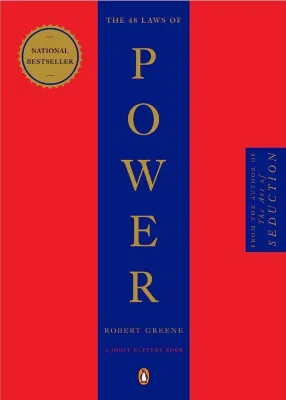


Prices are valid at publication and may change. Please refer to the product page for the latest price.
To extract genuine career value from the book, you must distinguish between observing power dynamics and actively manipulating them. Reading the laws defensively allows you to recognize when a colleague or competitor is attempting to undermine your position. Conversely, adopting these laws offensively in a modern office can quickly earn you a reputation as a toxic and untrustworthy team member.
The tone of the book is intentionally amoral and highly analytical. Greene presents human hierarchies as they have historically operated, stripped of ethical idealism. By viewing professional environments through this cold, objective lens, you can better understand the unspoken rules of authority, ego, and influence that govern many traditional organizations.
When the Book Provides Practical Career Value
Certain career stages and professional environments make this book a particularly useful investment. If your role involves complex stakeholder management, intense negotiation, or navigating deep-seated office politics, the strategic insights can be highly applicable. It helps you understand the underlying motivations of decision-makers who may not always act in a transparent or collaborative manner.

The text serves as an excellent defensive manual for identifying manipulative tactics in the workplace. For instance, understanding the concept of not outshining the master can help junior professionals manage relationships with insecure superiors. Recognizing these patterns early allows you to protect your work, secure your achievements, and avoid common political pitfalls.
Professionals transitioning into highly competitive, unstructured, or rapidly scaling industries will also find the book beneficial. In environments where formal HR structures are still developing or where resources are intensely contested, power dynamics often dictate project allocations and promotions. Having a framework to analyze these shifting alliances can help you maintain stability and influence.
Potential Drawbacks in Modern Corporate Cultures
While the historical anecdotes are engaging, applying these laws literally in a modern corporate setting carries significant risks. One major drawback is the potential to develop a paranoid or overly cynical mindset. Constantly viewing your colleagues as adversaries waiting to exploit you can destroy your ability to build genuine professional relationships and foster team trust.
Modern corporate structures increasingly rely on psychological safety, transparency, and cross-functional collaboration. Many of Greene’s laws assume a zero-sum game where one person’s rise requires another’s fall. In a matrixed organization where your success depends on collective output and peer reviews, behaving like an isolated courtier can lead to professional isolation.
Furthermore, historical court dynamics do not translate seamlessly to workplaces governed by strict human resource policies, compliance frameworks, and legal protections. Tactics that were acceptable in Renaissance Italy can violate modern codes of conduct or professional ethics. Relying on manipulation rather than merit and clear communication can result in disciplinary action or severe damage to your personal brand.
Better Alternatives for Specific Professional Goals
If your primary career objective is to build cohesive teams and foster collaborative innovation, other business texts may offer more practical guidance. Literature focused on emotional intelligence and modern leadership strategies can help you inspire trust and influence others without relying on defensive posturing. These resources are often better suited for managers aiming to create high-performing, psychologically safe work environments.
For professionals looking specifically to improve their deal-making and conflict resolution skills, dedicated negotiation frameworks are highly recommended. Books written by experienced hostage negotiators or corporate mediators offer actionable, ethical strategies for finding mutual value. These methods focus on active listening and tactical empathy, which are far more constructive in long-term business partnerships than historical power plays.
Finally, if you want to understand systemic workplace behavior and organizational culture, modern organizational psychology texts are invaluable. These books analyze how modern workplaces function as systems, helping you navigate corporate structures through data-driven insights rather than historical anecdotes. They provide a more scientific approach to understanding motivation, leadership, and cultural change.
Frequently Asked Questions (FAQ)
Unabridged vs. Abridged: Which Version Should You Buy?
When choosing which version to purchase, consider your available time and depth of interest. The unabridged version contains the full historical narratives, detailed interpretations, and side-column quotes that provide essential context for each law. This version is ideal if you want to understand the strategic reasoning behind the rules and enjoy rich historical storytelling.
The abridged or pocket edition offers a highly condensed format, focusing strictly on the laws themselves and brief explanations. This version is more affordable, typically costing less than the full-sized paperback, and serves as a quick, portable reference. Before buying, check the product specifications on your preferred online marketplace or local bookstore to ensure the format matches your reading goals.
Will Reading This Book Make You Seem Cynical at Work?
Reading this book will only affect your professional reputation if you openly display it or aggressively practice its more controversial laws. Keeping a copy prominently displayed on your office desk might signal to colleagues that you view workplace interactions as a series of strategic manipulations. It is generally wiser to keep your study of power dynamics private.
To avoid appearing cynical, use the book primarily as an internal observational tool. Focus on applying the laws defensively to protect your career boundaries rather than using them to actively manipulate others. Demonstrating competence, reliability, and collaborative spirit remains the most effective way to build a sustainable and positive professional reputation.
Community discussion
Share your experience or ask a question. Comments are reviewed before publication.