
Choosing your next professional development book is an investment of both time and mental energy. When looking to sharpen your strategic thinking, two titles consistently dominate the recommendations: Robert Greene’s The 48 Laws of Power and Sun Tzu’s The Art of War. While both are celebrated classics on influence, survival, and competition, they approach these concepts from entirely different angles. Deciding which one to read first depends on whether you need to navigate immediate, micro-level interpersonal dynamics or master macro-level planning and long-term positioning.
If you are currently dealing with complex office politics, seeking to understand the hidden motives of colleagues, or trying to build a resilient personal brand, The 48 Laws of Power offers immediate, tactical utility. Conversely, if you are stepping into a leadership role, managing large-scale projects, or guiding an organization through market competition, The Art of War provides a timeless, high-level framework for sustainable success. Understanding the core differences in their philosophies, structures, and practical applications will help you choose the right starting point for your career journey.
Core Philosophies: Interpersonal Tactics vs. Strategic Positioning
Robert Greene’s The 48 Laws of Power is fundamentally a study of human psychology and interpersonal dynamics. Drawing on thousands of years of historical anecdotes—ranging from royal courts to political arenas—Greene views power as an unavoidable, zero-sum game played between individuals. The book operates on the premise that human nature is inherently self-serving, and that navigating professional spaces requires a keen understanding of indirect influence, reputation management, and defensive posturing. It is a deeply pragmatic, sometimes cynical guide that focuses on how to gain, observe, or defend against control in daily interactions.
Products mentioned in this guide



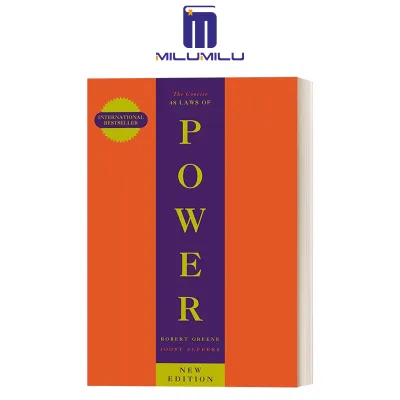


Prices are valid at publication and may change. Please refer to the product page for the latest price.
This focus on individual survival is rooted in the historical contexts Greene highlights, such as the courtly politics of the Renaissance and ancient empires. In these environments, professional advancement—and often physical survival—depended on pleasing a single monarch or navigating a tight-knit, highly competitive court. Consequently, the philosophy of the book is highly tactical, focusing on the subtle shifts in behavior, speech, and appearance that allow an individual to influence those above, beside, and below them in a hierarchy.
In contrast, Sun Tzu’s The Art of War is an ancient military treatise that focuses on macro-level strategy, systemic preparation, and environmental awareness. Rather than focusing on individual rivalries, Sun Tzu views conflict through the lens of systems, resources, and positioning. The core philosophy of the text is to achieve victory with minimal disruption, famously asserting that the supreme art of war is to subdue the enemy without fighting. It emphasizes adaptability, understanding the terrain, and conserving resources to ensure long-term survival and success.
Sun Tzu’s philosophy was shaped by the Warring States period of ancient China, where the survival of entire states depended on collective discipline, logistics, and statecraft. This macro-level perspective encourages readers to view challenges not as personal battles, but as systemic puzzles. The focus is on preparing your organization, understanding market conditions, and choosing battles so wisely that victory is virtually assured before any direct confrontation begins.
These differing philosophies shape how you approach professional challenges. Greene’s work encourages you to look closely at the individuals around you, analyzing their insecurities, motivations, and alliances to manage the person sitting across the desk from you. Sun Tzu’s work, however, encourages you to step back and view the entire landscape, teaching you how to position your team, project, or business so that success becomes a natural consequence of superior preparation and positioning.
Readability, Structure, and Time Commitment
The structural differences between these two books significantly impact the reading experience and the time commitment required. The 48 Laws of Power is a substantial, narrative-heavy volume. Each of the 48 laws is explored through detailed historical examples, followed by an analysis of how the law was either successfully observed or disastrously transgressed. This narrative approach makes the book highly engaging and relatively easy to comprehend, but it also requires a significant investment of time to read and digest the sheer volume of historical context.

Because Greene’s book contains 48 distinct laws, trying to implement all of them simultaneously can lead to analysis paralysis. The cognitive load comes from filtering through the historical anecdotes and determining which laws are relevant to your current situation. It is a book designed for slow, deliberate reading, where you might focus on one law at a time and reflect on its application in your daily life over several months.
The Art of War, on the other hand, is incredibly concise. Composed of short, poetic, and highly abstract verses divided into 13 brief chapters, the entire text can easily be read in a single sitting. However, the brevity of the book is deceptive. Because the verses are written in an ancient military context, they require a high level of cognitive effort to translate into modern professional concepts. The challenge is not in reading the words, but in reflecting on how to apply abstract concepts like “the void and the full” to modern business scenarios.
Unlike Greene’s episodic laws, Sun Tzu’s 13 chapters flow logically from initial planning to the use of intelligence, offering a cohesive, step-by-step strategic methodology. To make the most of this work, modern readers often need to seek out specific editions that bridge the gap between ancient military terminology and contemporary application. When browsing local bookstores or online marketplaces, looking for editions that feature modern business annotations, historical context, or clear chapter summaries can significantly reduce the cognitive load required to apply the teachings to your daily work.
Practical Applications in Modern Professional Environments
Translating these texts into actionable workplace behaviors requires careful consideration of your current professional environment. The 48 Laws of Power is highly applicable to micro-level scenarios. For instance, understanding Law 1 (“Never Outshine the Master”) can help a professional navigate relationships with sensitive managers, while other laws offer insights into negotiating promotions, managing difficult stakeholders, and protecting your professional reputation. It acts as a defensive manual, helping you recognize when others are attempting to manipulate or undermine your position.
The Art of War maps directly to macro-level challenges such as market competition, project planning, and organizational leadership. Sun Tzu’s emphasis on knowing both yourself and your opponent translates directly to conducting thorough market research and competitor analysis before launching a new product. His focus on flexibility and adapting to the terrain is highly relevant for project managers navigating shifting timelines, resource constraints, and changing client demands.
In a highly competitive corporate environment, such as Singapore’s financial or technology sectors, Sun Tzu’s concept of “knowing the terrain” represents understanding local regulatory frameworks, consumer demographics, and economic conditions. Applying this knowledge before launching a campaign prevents wasted capital and effort, aligning perfectly with the principle of conserving resources.
However, applying these strategies in modern corporate cultures requires a strong ethical framework. Many of the tactics described in The 48 Laws of Power are highly Machiavellian and can easily backfire in collaborative, modern workplaces that prioritize transparency, psychological safety, and teamwork. Overusing manipulative tactics can quickly erode trust and damage your professional relationships. Therefore, it is often best to treat Greene’s laws as a guide for understanding human behavior and defending against manipulation, rather than an offensive playbook for daily interaction.
The Decision Framework: Which Book Should You Read First?
To help you decide which book to purchase and read first, consider your current career stage, immediate professional challenges, and learning preferences.
Choose The 48 Laws of Power if:
- You are currently navigating a highly competitive corporate environment or complex office politics.
- You need to understand the psychological motivations and behavioral drivers of the people around you.
- Your immediate goal is to build a stronger personal brand, secure a promotion, or protect yourself from professional manipulation.
- You prefer learning through detailed historical narratives and concrete, real-world examples.
Choose The Art of War if:
- You are in a leadership, management, or entrepreneurial role where resource allocation, team coordination, and long-term planning are critical.
- You are launching a new business venture, entering a competitive market, or managing a major organizational transition.
- You prefer concise, philosophical frameworks that you can adapt to various high-level situations over time.
- You want a quick read that offers deep, long-term food for thought.
Ultimately, reading both books will provide you with a comprehensive strategic toolkit. The Art of War provides the overarching strategic blueprint for positioning and resource management, while The 48 Laws of Power provides the tactical, interpersonal tools needed to execute that blueprint on the ground. Starting with the book that addresses your most pressing professional need will allow you to apply the lessons immediately, maximizing the return on your reading investment.
Frequently Asked Questions (FAQ)
Are there any content warnings for The 48 Laws of Power?
Yes, readers should be prepared for the book’s highly cynical and amoral tone. Robert Greene describes historical power dynamics, manipulation, and deception as they have occurred throughout history, without offering moral or ethical judgments on these actions. It is crucial to approach the text analytically as a study of human behavior and historical power structures, rather than a moral guide or a set of rules for ethical living.
Which edition of The Art of War is best for business professionals?
When selecting an edition of The Art of War, look for versions that include modern business annotations, case studies, or commentary from translators with a background in corporate strategy. These editions help translate ancient military terminology into modern business concepts, making the text much easier to apply to project management, leadership, and market competition. Before purchasing from an online bookstore or local retailer, verify the publisher details, format, and translation style to ensure it matches your reading preferences.
Community discussion
Share your experience or ask a question. Comments are reviewed before publication.