
Mastering the art of spending money is not about enforcing strict deprivation or tracking every single cent until financial management feels like a second job. Instead, it is about alignment—ensuring that your hard-earned S$ are directed toward experiences, items, and goals that genuinely bring value, joy, and long-term security to your life. Many people struggle with money not because they do not earn enough, but because they lack a coherent philosophy to guide their daily financial choices.
To build a healthier relationship with your finances, reading the right literature can shift your perspective from restrictive budgeting to intentional allocation. Books written by behavioral economists, financial planners, and minimalists offer diverse frameworks to help you understand why you spend and how to do so more mindfully. By exploring these curated texts, you can transition from impulsive purchasing to a structured, value-driven approach to your personal economy.
How to Choose the Right Book for Your Financial Goals
Selecting the right financial book requires an honest assessment of your current relationship with money and your learning preferences. Personal finance literature generally falls into three distinct categories: behavioral psychology, practical budgeting, and minimalism. If you find yourself making impulsive purchases when stressed or trying to keep up with social circles, a book focused on behavioral psychology will help you address the root emotional causes of your spending. Conversely, if you understand your motivations but struggle with the mechanics of cash flow, a practical guide with actionable budgeting frameworks is a more suitable starting point.
Products mentioned in this guide
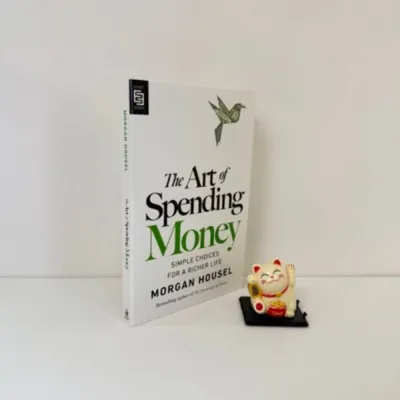
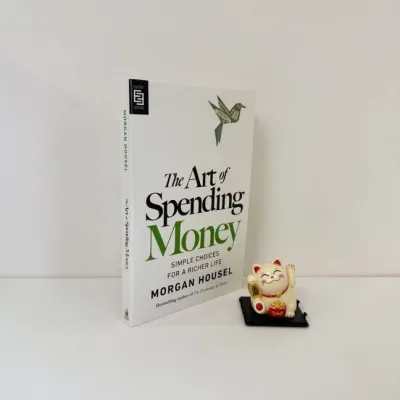
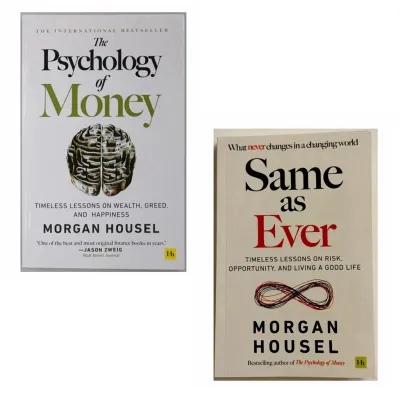
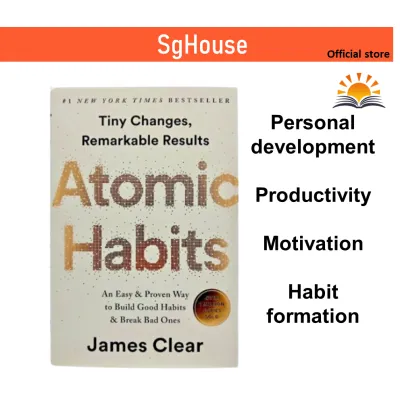
Prices are valid at publication and may change. Please refer to the product page for the latest price.
To determine your primary pain point, ask yourself whether your financial struggles stem from emotional spending or a lack of a tracking system. Emotional spenders often use retail therapy to cope with stress, boredom, or social anxiety, meaning a spreadsheet-heavy book will only treat the symptom rather than the cause. On the other hand, if you are highly disciplined but simply do not know where your money goes each month, you do not need a philosophical lecture; you need a robust, automated tracking system that simplifies your cash flow.
Your preferred learning style should also dictate your choice. Some readers find inspiration in narrative-driven books that use storytelling and historical anecdotes to reshape how they view wealth and time. Other readers require highly structured, step-by-step workbooks that provide concrete templates, spreadsheet formulas, and weekly action plans. If you prefer a hands-on approach, look for editions that include practical exercises, and always verify whether the book requires supplementary digital downloads or physical worksheets before making your purchase.
When purchasing financial literature, it is essential to verify the specific edition, language, and medium of the book. Many classic personal finance books have been updated to reflect modern digital banking, online investment platforms, and cashless transactions. Checking the publication date and edition details ensures you are not reading outdated advice about physical checkbooks or obsolete savings accounts. Additionally, if you are purchasing an e-book or audiobook, confirm device compatibility and regional availability to ensure a seamless reading experience.
Top Picks for Understanding the Psychology of Money
To change how you spend, you must first understand why you spend, which makes behavioral finance books an invaluable starting point. A foundational recommendation in this category is The Psychology of Money by Morgan Housel. This book shifts the focus away from complex mathematical formulas and places it squarely on human behavior, arguing that doing well with money is less about what you know and more about how you behave. Housel uses short, highly engaging stories to illustrate how personal history, pride, and envy influence our financial decisions, making it an excellent read for anyone looking to reduce financial anxiety and build sustainable habits.

One of the core takeaways from Housel’s work is the distinction between being rich and being wealthy. Being rich is about current income and visible displays of spending, such as driving a luxury car or wearing designer clothes. Wealth, however, is invisible; it is the option value of money not spent, providing freedom, flexibility, and security over your time. Understanding this distinction helps readers resist the urge to spend money simply to show others how much money they have, which is one of the most common traps in modern consumer culture.
Another classic text that explores the deep connection between time, energy, and expenditure is Your Money or Your Life by Vicki Robin and Joe Dominguez. This book introduces the concept of “life energy,” prompting readers to calculate how many hours of their lives they must trade to afford a specific purchase. By viewing prices not just in S$ but in hours of life spent, readers gain a powerful tool for curbing impulsive spending and evaluating the true value of material possessions. This text is particularly beneficial for those who feel trapped in a cycle of working to spend, offering a path toward financial independence and mindful consumption.
When exploring these psychology-focused titles, look for editions that align with your current life stage. For instance, newer editions of classic texts often feature updated forewords or chapters that address modern economic challenges, such as inflation and the gig economy. Before buying, check the table of contents and publisher notes to ensure the edition you select contains the most relevant insights for your personal financial journey.
Best Practical Guides for Building a Conscious Spending Plan
Once you have established a mindful financial mindset, the next step is to implement a practical system that automates your progress. A highly regarded book for building a concrete spending framework is I Will Teach You to Be Rich by Ramit Sethi. Rather than advocating for cheapness or cutting out daily coffees, Sethi introduces the concept of a “Conscious Spending Plan.” This system encourages readers to categorize their income into four simple buckets: fixed costs, long-term investments, savings goals, and guilt-free spending money. By automating these allocations, you can spend your remaining money without guilt, knowing your future is fully secured.
Implementing a practical spending plan requires adapting the book’s principles to your local financial landscape. For readers managing their finances in S$, this means translating general advice about retirement accounts and fixed costs into local equivalents, such as managing housing expenses, transport costs, and local savings schemes. A good practical guide should empower you to build a system that works in the background, reducing the cognitive load of daily financial decisions and allowing you to focus on your career or personal passions.
The beauty of a conscious spending plan lies in its focus on “guilt-free spending.” Instead of feeling anxious about every minor purchase, you pre-allocate a specific percentage of your income to things you love—whether that is fine dining, travel, or hobbies. This approach shifts the narrative from restriction to empowerment, allowing you to say “yes” to the things that matter because you have already said “no” to the things that do not.
When selecting a practical guide, pay close attention to the format and supplementary materials. Books that rely heavily on spreadsheets, charts, and step-by-step action plans are often best consumed in physical paperback or high-resolution e-book formats rather than audiobooks. Before purchasing, verify whether the authorized source provides access to online templates, calculators, or community forums that can assist you in customizing the spending plan to your specific income level and financial goals.
Essential Reads on Minimalism and Reducing Lifestyle Creep
As your income grows over time, a common financial trap is lifestyle creep—the gradual increase in spending that matches or exceeds your rising earnings. To combat this phenomenon, books focused on minimalism and intentional living offer crucial strategies for maintaining a high quality of life while spending less. These texts encourage readers to declutter their physical environments and financial commitments, focusing resources only on what is truly essential. By adopting an anti-consumerist perspective, you can break the cycle of buying items simply to project a certain status or fill a void.
A key theme in minimalist literature is finding the point of “enough.” Books in this category help readers identify the threshold where additional spending no longer yields a corresponding increase in happiness or life satisfaction. Once you reach this point, continuing to increase your lifestyle expenses can actually lead to greater stress and less freedom. Learning to recognize this boundary allows you to redirect your surplus income toward building long-term wealth, investing in experiences, or pursuing creative endeavors that offer deeper fulfillment than material goods.
However, it is important to balance frugality with a high quality of life. The goal of financial minimalism is not to live in absolute deprivation, but to eliminate waste so you can spend generously on the things that matter most to you. When choosing a book on minimalism, look for authors who emphasize intentionality rather than extreme restriction. Verify that the book’s philosophy aligns with your personal values, and check reader reviews or sample chapters to ensure the tone is encouraging rather than overly dogmatic.
Furthermore, there comes a point where cutting expenses yields diminishing returns. Once you have optimized your spending and eliminated unnecessary clutter, the focus should pivot from extreme frugality to increasing your earning potential and investing wisely. Books that bridge the gap between minimalism and wealth building help you understand when to stop cutting and start growing, ensuring that your financial strategy remains sustainable and forward-looking over the long term.
Quick Comparison of Mindful Spending Books
To help you determine which book best aligns with your current financial needs, the table below compares the core focus, target audience, and primary approach of the key methodologies discussed.
| Book Title | Core Focus | Best For | Primary Approach |
|---|---|---|---|
| The Psychology of Money | Behavioral biases and emotional relationships with wealth | Beginners and those experiencing financial anxiety | Narrative storytelling and historical case studies |
| Your Money or Your Life | Calculating the true cost of purchases in "life energy" | Readers seeking financial independence and life balance | Step-by-step exercises and philosophical shifts |
| I Will Teach You to Be Rich | Automating finances and guilt-free conscious spending | Action-oriented readers wanting a structured system | Practical templates, scripts, and automation guides |
| The Year of Less | Documenting a year-long shopping ban and emotional decluttering | Anyone struggling with compulsive shopping and lifestyle creep | Memoir-style narrative with personal reflections |
Frequently Asked Questions (FAQ)
Do I need to read these books in a specific order?
While there is no mandatory sequence, starting with books focused on financial psychology is generally the most effective approach. Understanding your emotional triggers and behavioral biases first ensures that when you build a practical spending plan, you are less likely to abandon it due to unresolved emotional spending habits. Once you have established a healthy mindset, you can transition to practical guides to build your automated systems, and finally explore minimalist literature to refine your long-term consumption habits and prevent lifestyle creep.
Are audiobooks effective for learning financial principles?
Audiobooks are highly effective for narrative-driven books that focus on financial psychology, history, or personal memoirs, as these formats translate well to spoken storytelling. However, for practical guides that feature complex tables, step-by-step budgeting formulas, or interactive worksheets, a physical book or e-book is usually superior. If you do choose the audio format for a practical guide, verify beforehand whether the publisher provides a downloadable PDF companion containing the necessary visual aids, templates, and exercises.
Community discussion
Share your experience or ask a question. Comments are reviewed before publication.