
Choosing your first strategy book is a decision that shapes how you perceive professional relationships, workplace dynamics, and personal boundaries. The ideal starting point depends entirely on whether you seek historical philosophy, modern corporate tactics, or psychological defense. While some readers benefit from broad, sweeping historical narratives, others require concise, rule-based frameworks that can be applied immediately to resolve interpersonal friction.
This guide compares The Black Book of Power with similar popular books on power dynamics to help you choose the right starting point. We evaluate these texts based on readability, practical applicability, and structural format, providing a conditional framework to match your specific personal or professional goals. By understanding the core differences in how these books present their strategies, you can select an edition that offers the highest immediate value for your career or personal development.
Core Focus and Target Audience
To choose the right strategy book, you must first understand the fundamental philosophy driving the text. The Black Book of Power focuses heavily on pragmatic, tactical maneuvers designed for modern interpersonal dynamics. Unlike sweeping historical treatises that analyze empire-building or military campaigns, this text is tailored for individuals navigating immediate, everyday power struggles. It strips away academic fluff to focus on how power is negotiated, maintained, and defended in modern social and professional settings.
Products mentioned in this guide
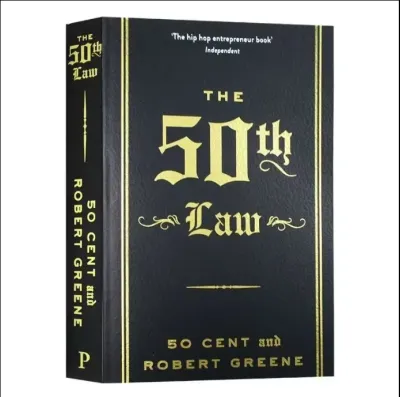


Prices are valid at publication and may change. Please refer to the product page for the latest price.
In contrast, broader strategic or historical texts often take a macro-level approach. These classic works analyze the rise and fall of historical figures, military battles, and political regimes to extract universal principles of leadership. While highly educational, these texts require the reader to perform the intellectual heavy lifting of translating ancient military tactics into modern office scenarios. If you are interested in the historical evolution of leadership, these broader texts are invaluable; however, if you need immediate solutions for workplace politics, a tactical manual is more appropriate.
Another critical distinction lies in the balance between offensive power acquisition and defensive strategy. Some strategy books are written with an aggressive, offensive tone, teaching readers how to accumulate influence, control conversations, and outmaneuver rivals. Other texts, including The Black Book of Power, serve a dual purpose by highlighting defensive strategies. Understanding these concepts allows you to recognize manipulation, establish firm professional boundaries, and protect yourself from toxic workplace behaviors.
Ultimately, the ideal reader profile varies by category. Corporate professionals, freelancers, and consultants operating in highly competitive environments often prefer the direct, actionable nature of modern tactical guides. Conversely, academic readers, history enthusiasts, and long-term planners may find more satisfaction in philosophical texts that explore the psychological underpinnings of power over centuries. Identifying where you fall on this spectrum is the first step in selecting your next read.
Key Dimensions for Comparing Strategy Books
When evaluating strategy books, comparing their structural formats is essential for determining how easily you will absorb the material. Some books utilize a narrative-driven format, weaving strategic principles into detailed historical anecdotes or case studies. While engaging, this narrative style requires a significant time investment to extract the core lessons. On the other hand, rule-based guides use bulleted lists, concise summaries, and direct instructions, making them highly efficient reference tools.

Reading difficulty and tone also vary dramatically across this genre. Older, classic texts or academic volumes often feature dense, philosophical jargon that can slow down your reading pace. These books demand close study and reflection, which may not suit readers looking for a quick, accessible guide. Modern business and strategy books tend to use straightforward, contemporary language, making complex psychological concepts easier to digest during a daily commute or a brief lunch break.
Practical applicability is the final, and perhaps most important, dimension to consider. A strategy book is only as useful as your ability to apply its concepts in your daily life. Modern tactical manuals are designed with the contemporary workplace in mind, addressing issues like email communication, meeting dynamics, and team hierarchies. Historical strategy books, while brilliant, often require you to abstract a general principle—such as flanking an enemy army—and figure out how that applies to a modern marketing presentation.
Side-by-Side Comparison Matrix
To help you visualize how these different approaches compare, the table below outlines the key attributes of modern tactical manuals, such as The Black Book of Power, against classic historical strategy texts and modern corporate guides.
| Attribute | Modern Tactical Manuals (e.g., The Black Book of Power) | Classic Historical Strategy Texts | Modern Corporate Strategy Guides |
|---|---|---|---|
| Primary Focus | Interpersonal dynamics, boundary setting, and tactical influence | Macro-level leadership, historical philosophy, and grand strategy | Organizational growth, market positioning, and team management |
| Target Audience | Professionals, freelancers, and individuals facing workplace friction | History enthusiasts, academic readers, and long-term planners | Executives, business owners, and corporate managers |
| Reading Difficulty | Moderate to highly accessible; direct and concise language | High; often requires historical context or translation analysis | Moderate; uses modern business terminology and case studies |
| Format | Rule-based, bulleted lists, and direct tactical instructions | Narrative-driven essays, historical anecdotes, and philosophical prose | Frameworks, diagrams, and corporate case studies |
| Best Use Case | Navigating immediate office politics and defending against manipulation | Building a deep, theoretical foundation of strategic thinking | Scaling businesses, managing teams, and executing corporate projects |
| Edition Details | Verify publisher details for specific translations and formats | Check specific edition for modern commentary and historical annotations | Verify publication year for relevance to current digital markets |
Decision Framework: Which Book Should You Read First?
You should choose The Black Book of Power or a similar modern tactical manual if your primary goal is to acquire direct, unfiltered tactics for modern interpersonal dynamics. If you prefer a concise, rule-based format that allows you to quickly look up a strategy and apply it the same day, these books are highly efficient. They act as practical toolkits for individuals who need to establish authority, negotiate contracts, or defend themselves against manipulative colleagues without wading through pages of historical backstory.
Conversely, you should choose classic historical strategy books if you prefer deep historical context and enjoy exploring the philosophical foundations of power. These texts are ideal if you have the patience for academic rigor and want to understand the long-term psychological patterns of human behavior. Reading these classics first builds a strong theoretical foundation, making it easier to understand why modern tactical rules work when you transition to contemporary guides later.
However, neither category may fit your needs if you are looking for collaborative leadership, empathetic management, or strictly ethical team-building frameworks. Strategy books focused on power dynamics often operate on competitive, self-interested assumptions. If your goal is to foster trust, build psychological safety within a creative team, or study modern servant leadership, you should look toward dedicated organizational psychology and modern management literature instead.
Before applying any aggressive strategy, you must verify how it aligns with your specific professional environment. In highly regulated industries or collaborative corporate cultures—such as the professional landscape in Singapore—overly aggressive or manipulative tactics can easily backfire. Always cross-reference tactical advice with your organization’s code of conduct, human resources policies, and local cultural norms to ensure your professional reputation remains intact.
Verifying Editions, Formats, and Translations
Because books in this genre are published in numerous editions worldwide, verifying the specific details of your chosen text before purchasing is crucial. Always check the publisher, ISBN, and publication date to ensure you are buying a complete, officially authorized edition. Unauthorized prints or abridged versions may omit critical chapters, strategic frameworks, or explanatory notes that are essential for fully understanding the author’s intent.
Format selection should also align with how you plan to use the book. If you intend to use the text as a reference manual—frequently flipping back to specific rules or checklists—a physical paperback or a searchable e-book is highly recommended. Audiobooks are excellent for absorbing narrative-driven historical anecdotes during a commute, but they can make it difficult to study, highlight, and quickly reference specific tactical rules when you need them in a professional setting.
Finally, pay close attention to translation quality if you are purchasing a non-English edition or a book translated from another language. Poor translations can distort subtle psychological nuances, turning a clever defensive strategy into an unnecessarily aggressive action. Before buying, check reader reviews specifically for feedback on translation accuracy, terminology consistency, and whether the translator has successfully preserved the practical utility of the original text.
Frequently Asked Questions (FAQ)
Is it necessary to read these strategy books in a specific order?
No, it is not necessary to read these strategy books in any specific order. Most books on power dynamics and strategy are written as standalone works that do not require prior knowledge of other texts. If you prefer building a strong theoretical foundation before diving into practical applications, you may find it helpful to start with broader philosophical or historical texts. However, if you are currently facing active challenges in your professional life, starting directly with a modern tactical manual like The Black Book of Power will provide the immediate tools you need.
How can I apply these strategies ethically in a modern workplace?
To apply these strategies ethically, you should focus primarily on their defensive applications. Use the principles to recognize manipulation, identify hidden agendas, and establish healthy professional boundaries rather than to exploit or undermine your colleagues. When you do use offensive strategies, ensure they are directed toward achieving legitimate business goals, such as securing fair compensation, advocating for your team’s resources, or presenting your ideas clearly. Always cross-reference any tactical advice with modern human resources guidelines and your company’s ethical standards to ensure your actions support a productive, respectful work environment.
Community discussion
Share your experience or ask a question. Comments are reviewed before publication.