
Quick Answer: Which Edition Should You Choose?
Choosing the right edition of The Hobbit depends on how you plan to read, handle, and preserve the book. For readers who prioritize budget and portability, a paperback edition is the most practical choice. It is lightweight and easy to carry on daily commutes. If you want a durable copy that looks elegant on a bookshelf or serves as a lasting gift, a standard hardcover is the ideal middle ground. For collectors, dedicated fantasy enthusiasts, or those buying a premium gift, an illustrated edition offers a highly immersive visual experience that brings Middle-earth to life.
In Singapore, your choice should also account for the local tropical climate. The high humidity can cause cheaper paperbacks to warp and yellow quickly over time. Investing in a high-quality hardcover with acid-free paper or a protective slipcase can significantly extend the lifespan of your book, ensuring it remains in pristine condition for years to come.
Breaking Down the Main Editions of The Hobbit
Paperback Editions (Mass Market and Trade)
Paperback editions of The Hobbit represent the most accessible and budget-friendly entry points into J.R.R. Tolkien’s legendary legendarium. These editions are divided into two primary formats: mass-market paperbacks and trade paperbacks. Mass-market paperbacks are highly compact, printed on lightweight, high-acid wood-pulp paper, and designed for maximum affordability. Because of their small footprint, they are exceptionally easy to slip into a small bag or pocket, making them the perfect companion for reading during MRT commutes across Singapore.
Products mentioned in this guide
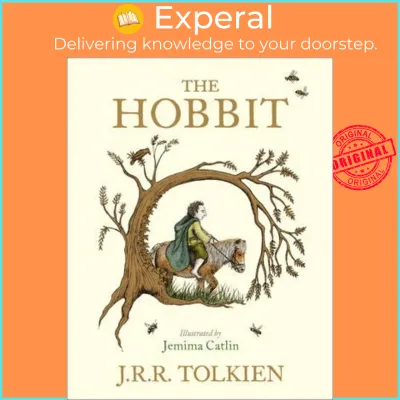
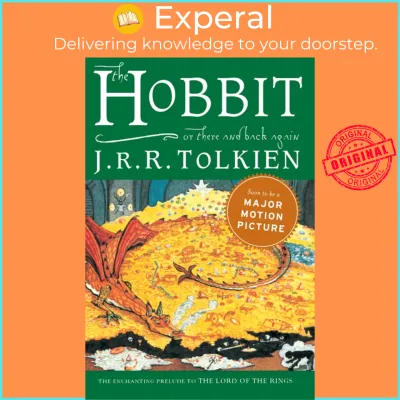
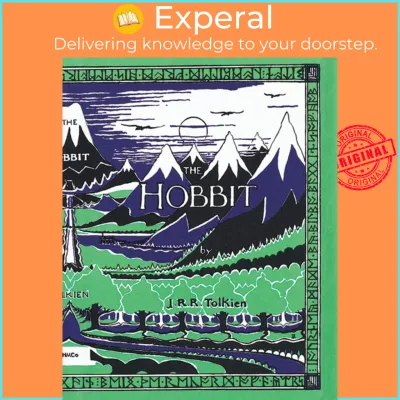
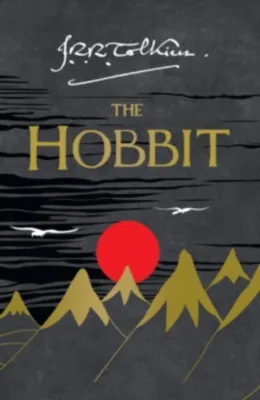
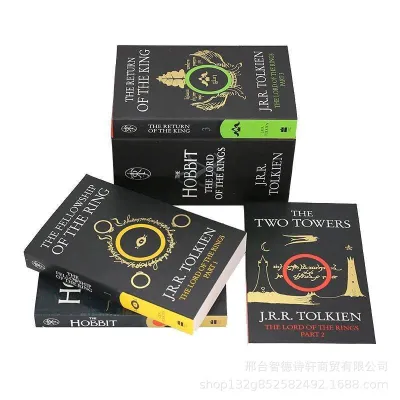
Prices are valid at publication and may change. Please refer to the product page for the latest price.

Trade paperbacks offer a significant step up in physical quality. They are larger, featuring wider margins, larger font sizes, and superior paper stock that resists yellowing far better than mass-market options. The binding is also more robust, allowing the book to handle repeated readings without the spine creasing or pages loosening. For a first-time reader who wants a comfortable, lightweight reading experience without the premium cost of a hardcover, a trade paperback strikes an excellent balance between quality and value.
Hardcover Editions (Standard and Deluxe)
Standard hardcover editions are built for longevity and aesthetic appeal. They feature rigid boards wrapped in paper or cloth, protective dust jackets, and sewn bindings that allow the book to lie relatively flat during reading. This structural durability makes them a staple for home libraries. A standard hardcover can withstand years of handling without losing its shape, making it a reliable and handsome gift for any reader beginning their journey into fantasy literature.
Deluxe or collector’s hardcovers elevate the presentation to a premium level. These editions often feature high-quality cover materials such as genuine cloth, buckram, or faux leather, frequently embellished with intricate foil stamping. Many deluxe editions are housed in protective slipcases and include gilded page edges, ribbon markers, and superior binding techniques that ensure the book lays completely flat on a desk or lap. These versions are designed not just for reading, but as heirloom-quality items that retain their physical integrity and visual appeal over decades.
Illustrated and Special Editions
Illustrated editions of The Hobbit offer a rich, multi-sensory reading experience by pairing Tolkien’s timeless prose with stunning visual art. The most famous illustrated versions feature the work of Alan Lee, whose atmospheric watercolors heavily influenced the visual style of the film adaptations. Other popular editions showcase J.R.R. Tolkien’s own original illustrations, maps, and cover designs, offering readers a direct window into the author’s personal vision of Middle-earth.
To accommodate the artwork, illustrated editions are typically printed in larger formats on heavy, high-opacity, acid-free paper. This ensures that the colors remain vibrant and the ink does not bleed through to the opposite side of the page. Many of these editions also include oversized fold-out maps of Wilderland and Thor’s Map, allowing readers to track Bilbo Baggins’ journey in detail. While these books are heavier and more expensive, they represent the pinnacle of immersion for dedicated fans and collectors.
Comparing the Editions Across Key Dimensions
Portability and Weight
The physical footprint of your book determines where and how you will read it. Mass-market paperbacks are incredibly lightweight, often weighing under 200 grams, and can easily be held with one hand while standing on a crowded train. Trade paperbacks are slightly larger but remain highly portable. Standard hardcovers add noticeable weight and bulk, making them better suited for reading at home or during quiet study sessions. Illustrated and deluxe editions are the heaviest and most cumbersome, often weighing over a kilogram. These oversized volumes are designed almost exclusively for stationary reading at a desk or in a comfortable armchair.
Durability and Climate Resilience
Singapore’s tropical climate, with relative humidity levels often exceeding 80 percent, poses a constant threat to printed media. Cheap wood-pulp paper used in mass-market paperbacks absorbs moisture rapidly from the air, causing the pages to warp, the covers to curl, and brown spots (foxing) to develop within a few years. Hardcover editions offer superior protection against these environmental factors. The heavy boards shield the text block, while the use of acid-free paper in standard and deluxe hardcovers prevents chemical degradation and yellowing. Storing your book in a slipcase or alongside silica gel packets can further safeguard it against local humidity.
Visual and Reading Experience
The layout of the page directly impacts your reading comfort. Mass-market paperbacks utilize small, tightly packed fonts and narrow margins to keep production costs low, which can lead to eye strain during long reading sessions. Trade paperbacks and standard hardcovers offer a much more relaxed visual experience, featuring generous line spacing, clear typography, and opaque paper that prevents text from ghosting through the page. Illustrated versions elevate this further, matching the narrative beats with gorgeous visual landmarks that bring Middle-earth to life.
Collectibility and Gifting Appeal
When choosing a book as a gift or a collectible, presentation is paramount. A simple paperback, while highly functional, lacks the sense of occasion required for a special gift. A standard hardcover wrapped in a beautifully designed dust jacket instantly feels substantial and thoughtful. For milestone occasions or serious collectors, a slipcased deluxe or illustrated edition is unmatched. These premium formats not only look magnificent on a bookshelf but also retain their physical condition and collectible value over time, making them excellent investments for a personal library.
Relative Cost and Value
In the Singapore retail market, prices for The Hobbit cover a wide spectrum. Budget-conscious readers can find mass-market paperbacks for approximately S$10 to S$15, while trade paperbacks typically retail between S$18 and S$25. Standard hardcovers occupy the mid-range tier, generally priced from S$30 to S$50 depending on the publisher and specific printing. Premium illustrated and deluxe collector’s editions represent a larger financial commitment, starting at around S$60 and easily reaching S$120 or more for high-end slipcased versions. Balancing your budget against how often you plan to revisit the book will help you identify the best value.
Edition Comparison at a Glance
The table below summarizes the key differences between the primary formats of The Hobbit to help you make an informed decision based on your reading habits, budget, and preservation goals.
| Edition Format | Portability | Durability | Visual Experience | Best Use Case | Relative Price Tier |
|---|---|---|---|---|---|
| Mass-Market Paperback | Excellent (Very light) | Low (Prone to warping) | Basic (Small font, tight margins) | Daily commuting, budget reading | Budget (S$10 – S$15) |
| Trade Paperback | Good (Lightweight) | Moderate (Better paper) | Comfortable (Clear text, wider margins) | Casual reading, first-time buyers | Mid-Low (S$18 – S$25) |
| Standard Hardcover | Moderate (Bulky) | High (Sturdy boards, sewn binding) | Great (Opaque paper, clean layout) | Home libraries, standard gifting | Mid-Range (S$30 – S$50) |
| Illustrated / Deluxe | Low (Heavy, oversized) | Very High (Slipcase, premium materials) | Outstanding (Full-color art, premium print) | Collecting, display, premium gifting | Premium (S$60 – S$120+) |
The Decision Framework: Match the Edition to Your Goal
Choose a Paperback if:
- You are a daily commuter: If you do most of your reading on public transport or during travel, a lightweight paperback is the most practical choice. It fits easily into any daily carry bag and won't weigh you down.
- You are on a strict budget: If you simply want to experience Tolkien's classic story for the first time without making a significant financial investment, a paperback offers the lowest barrier to entry.
- You prefer a casual, flexible reading grip: Paperbacks are easy to hold open with one hand and do not require careful handling, making them ideal for relaxed reading in bed or at a local cafe.
Choose a Standard Hardcover if:
- You want a durable copy for your bookshelf: If you plan to build a permanent home library, a standard hardcover offers the structural integrity needed to stand upright on a shelf for decades without warping.
- You are buying a reliable gift: A standard hardcover strikes the perfect balance between elegance and affordability, making it a highly presentable gift for birthdays, holidays, or academic achievements.
- You prefer a book that stays open: Standard hardcovers with sewn bindings lay flatter than paperbacks, offering a more comfortable hands-free reading experience at a desk.
Choose an Illustrated Edition if:
- You are a dedicated Tolkien collector: If you already love Middle-earth and want a showcase piece for your collection, an illustrated or deluxe edition is a must-have addition.
- You want a visually immersive experience: The inclusion of high-quality illustrations, detailed maps, and premium design elements enhances the storytelling, making it ideal for readers who appreciate visual art alongside literature.
- You are purchasing a milestone gift: For major celebrations, a slipcased deluxe edition serves as a memorable, high-value keepsake that the recipient can cherish and pass down through generations.
Verify First if:
- You are buying a specific collector's edition online: When shopping on online marketplaces or international book depositories, always verify the product specifications and publisher details. Some sellers may list standard reprints with misleading descriptions or mock-up images that make them look like premium slipcased editions. Double-check the ISBN to ensure you are purchasing the exact version you want.
Essential Checks Before Buying in Singapore
Verify the ISBN and Publisher
Before finalizing your purchase, always verify the book’s International Standard Book Number (ISBN) and the publisher. HarperCollins is the official publisher of J.R.R. Tolkien’s works in the United Kingdom and Commonwealth markets, which includes Singapore. Buying a HarperCollins edition ensures you receive an authorized print with high-quality typesetting, accurate maps, and complete text. Be cautious of cheap, poorly formatted imports from unauthorized publishers that may contain typographical errors or low-resolution printing.
Check for Movie Tie-in Covers
Many editions of The Hobbit feature movie tie-in covers, which display promotional imagery, posters, or actor photos from Peter Jackson’s film adaptations. While the core literary text inside remains identical, the aesthetic appeal of these covers is vastly different from traditional editions. If you prefer a classic, timeless look for your bookshelf, avoid movie tie-ins and seek out editions featuring Tolkien’s original cover art, minimalist designs, or illustrations by classic fantasy artists.
Confirm the Text Revision
It is important to ensure your chosen edition features J.R.R. Tolkien’s revised text. In 1966, Tolkien revised The Hobbit (creating the second edition) to align its narrative elements more closely with the events of The Lord of the Rings. The most significant change occurs in Chapter 5, “Riddles in the Dark,” where Gollum’s behavior during the riddle game was altered to reflect the corrupting, addictive nature of the One Ring. While almost all modern prints from reputable publishers use the revised text, buyers of secondhand copies should check the publication history to avoid outdated pre-1966 text blocks.
Inspect Physical Condition
If you are purchasing The Hobbit from local secondhand bookshops in places like Bras Basah Complex, or through peer-to-peer online marketplaces in Singapore, a thorough physical inspection is crucial. Check the edges of the pages for foxing—tiny brown spots caused by mold spores reacting with acidic paper in high-humidity environments. Inspect the spine for cracking, ensure the binding is secure, and check for any musty odors. If buying online, ask the seller for clear, unedited photos of the page edges and the spine to avoid receiving a humidity-damaged copy.
Frequently Asked Questions (FAQ)
Does the illustrated version have a different story or extra chapters?
No, the core narrative text of The Hobbit remains identical across almost all standard and illustrated editions. The story of Bilbo Baggins, the dwarves, and Smaug is unchanged. However, some premium illustrated and deluxe editions may include valuable supplementary materials. These can range from detailed introductory notes by Tolkien scholars, historical letters written by the author, early manuscript drafts, and high-resolution reproductions of Thor’s Map and the Map of Wilderland. While the main story is the same, these additions provide deeper context for enthusiastic readers.
Should I buy the movie tie-in edition of The Hobbit?
Whether to buy a movie tie-in edition depends entirely on your personal aesthetic preferences. Movie tie-in editions feature cover art from the film trilogy and are often priced affordably. If you are a big fan of the films and enjoy that visual connection, these editions are a great choice. However, if you are looking to build a classic literary collection or prefer traditional fantasy art, you should opt for standard editions featuring original artwork by Tolkien or classic illustrators. The literary content remains the same, so your decision should rest on how you want the book to look on your shelf.
Community discussion
Share your experience or ask a question. Comments are reviewed before publication.