
Selecting a young adult dystopian series often begins with a single, defining question: do you prefer a story driven by intricate political survival, or one fueled by high-concept mystery and rapid-fire action? During the height of the young adult literary boom, several franchises emerged to capture the imaginations of readers worldwide, but none have maintained quite the same cultural footprint as Suzanne Collins’s groundbreaking trilogy. For readers in Singapore looking to invest in a complete book set, understanding how these narrative worlds differ is essential to finding a collection that will resonate long after the final page is turned.
While many dystopian series share the foundational premise of youth rebelling against an oppressive adult regime, their execution, thematic depth, and narrative styles vary dramatically. A complete hunger games book set offers a masterclass in media satire and psychological realism, whereas alternative series like Divergent or The Maze Runner lean heavily into high-concept science fiction and puzzle-solving. By evaluating these differences in world-building, pacing, and physical set formats, you can make an informed decision for your personal library or as a gift for an avid reader.
Core Themes and World-Building: What Sets Them Apart?
The world of Panem in The Hunger Games is built on a foundation of stark class disparity, historical trauma, and media manipulation. Divided into twelve impoverished districts ruled by the decadent and tyrannical Capitol, the setting serves as a direct critique of modern consumerism, war journalism, and reality television. The annual games themselves are not just a physical challenge but a cruel tool of political subjugation, forcing readers to confront the moral implications of entertainment at the expense of human life. This focus on systemic oppression and the complicity of the spectator gives the series a grounded, chillingly plausible atmosphere.
Products mentioned in this guide
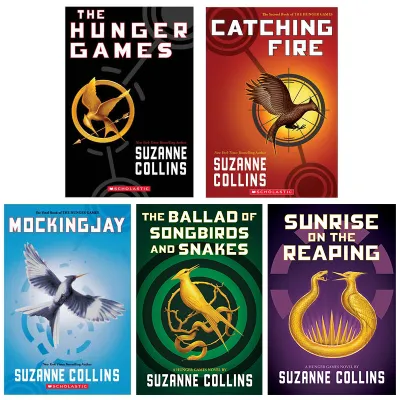
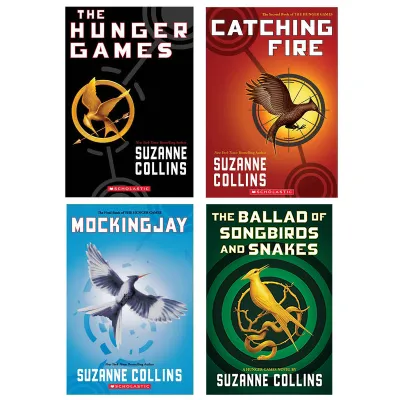
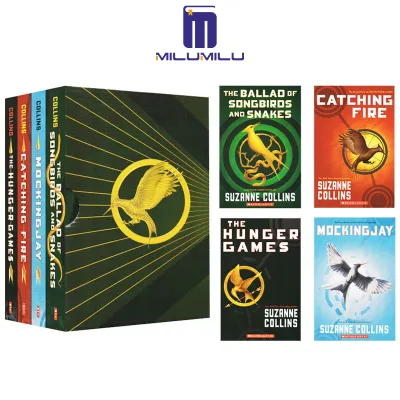
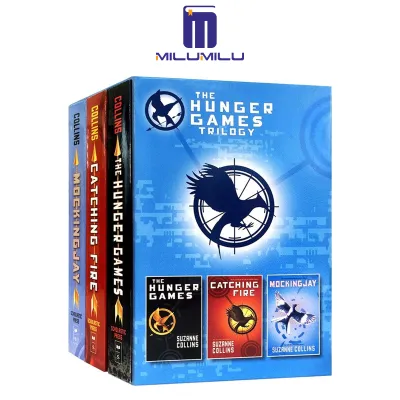
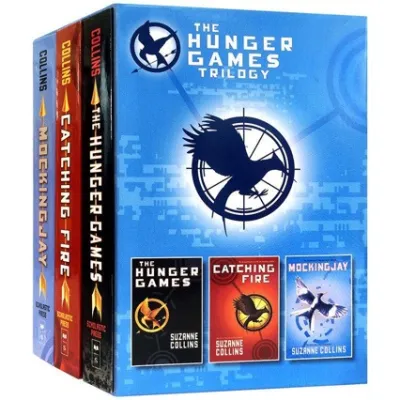
![[SG STOCK]/3 Book/Set][in Stock] English Original Hunger Games Trilogy: The Hunger Games Trilogy Fiction Books](https://img.lazcdn.com/g/p/b4984e6a4369ce71cd75ed38b58623d5.jpg_400x400q80.jpg_.webp)
![[3 Book/Set][in Stock] Hunger Games Trilogy: The Hunger Games](https://img.lazcdn.com/g/p/ab1d7b058b8e43277f6d1bc5b72ae0ec.jpg_400x400q80.jpg_.webp)
Prices are valid at publication and may change. Please refer to the product page for the latest price.
In contrast, Veronica Roth’s Divergent series presents a highly structured, post-apocalyptic Chicago where society is divided into five distinct factions based on personality traits: Abnegation (the selfless), Erudite (the intellectual), Dauntless (the brave), Amity (the peaceful), and Candor (the honest). The world-building here is more allegorical, focusing heavily on the search for personal identity, the pressure to conform to societal expectations, and the dangers of reducing complex human nature into rigid categories. While Panem’s conflict is external and political, Chicago’s struggle is deeply tied to internal psychology and genetic determinism.
James Dashner’s The Maze Runner shifts the dystopian landscape toward a confined, mystery-driven environment. The story begins in the Glade, a stone courtyard surrounded by a colossal, ever-changing labyrinth where a group of teenage boys arrives with no memories of their past lives. The world-building relies on a slow reveal of information, shifting from a localized survival scenario to a broader, post-apocalyptic Earth ravaged by solar flares and a devastating virus. This structure prioritizes immediate environmental dread and scientific conspiracy over the overt political commentary found in Panem.
For readers in Singapore, these themes often strike a familiar chord. Speculative fiction and dystopian narratives have a growing presence in the local literary scene, with Singaporean authors frequently exploring themes of societal pressure, hyper-efficiency, and environmental anxiety in urban landscapes. Engaging with international classics like The Hunger Games provides an excellent comparative framework for understanding how different cultures project their current societal anxieties into speculative future worlds.
Ultimately, each series approaches the concept of authority through a unique lens. The Hunger Games examines how totalitarian regimes maintain power through spectacle and division. Divergent questions the stability of social engineering and the cost of forced harmony. The Maze Runner explores the utilitarian ethics of a desperate scientific organization willing to sacrifice individuals for the perceived greater good of humanity. Your preference among these themes will largely dictate which book set you find most compelling.
Pacing, Action, and Character Development
The narrative trajectory of The Hunger Games is characterized by a deliberate, slow-burn tension that balances explosive arena action with quiet, psychologically intense aftermaths. Katniss Everdeen is a famously reluctant protagonist; she does not set out to start a revolution, but is thrust into the spotlight through her desperate survival instincts. The series devotes significant page space to the psychological trauma, grief, and moral compromises that accompany warfare, offering a remarkably mature portrayal of post-traumatic stress disorder that sets it apart from more idealized adventure stories.

Conversely, Divergent maintains a brisk, action-heavy pace from the outset. The narrative is driven by physical training sequences, daring stunts, and immediate physical confrontations as Tris Prior transitions into her new faction. Tris’s development is marked by a rapid evolution from a quiet, self-effacing girl into a fierce, highly capable fighter. While the series does address the emotional toll of violence, the focus remains firmly on high-stakes action, romantic tension, and fast-moving plot twists that keep readers turning pages rapidly.
The Maze Runner operates on a relentless, high-octane pacing model where characters are constantly running for their lives. Because the protagonist, Thomas, begins his journey with a wiped memory, the reader experiences his confusion and panic in real time. The action is visceral and physical, featuring terrifying biomechanical creatures and shifting stone walls. Character development in this series is forged through shared trauma and split-second survival decisions, making the relationships feel intense, urgent, and deeply protective.
When comparing these character arcs, Katniss stands out as a complex symbol of resistance who actively resists her own commodification by both the Capitol and the rebel forces. Tris Prior represents a more traditional hero’s journey of self-discovery and sacrifice, while Thomas serves as the determined problem-solver trying to untangle a massive conspiracy. If you appreciate deep psychological realism and a protagonist who questions the very nature of heroism, the hunger games book set remains the benchmark.
Age Appropriateness and Reading Complexity
While all three franchises are classified as young adult fiction, they carry varying levels of thematic darkness and violence that parents and readers should consider. The Hunger Games features intense, child-on-child violence, starvation, and systemic cruelty. The emotional weight of the story is heavy, dealing with the loss of loved ones and the devastating impact of war on civilian populations. It is generally recommended for readers aged 12 and older, though the deeper political allegories are often best appreciated by slightly older teens and adult readers.
Divergent carries a similar age recommendation of 12 to 14 years and up. The violence in this series is often associated with combat training, simulation-induced fears, and faction warfare. While it contains intense action sequences and some mature thematic elements regarding societal control and relationships, the tone is slightly more aligned with traditional young adult adventure tropes, making it highly accessible to middle-school readers transitioning into more mature fiction.
The Maze Runner is also suitable for readers aged 12 and above, though it leans heavily into elements of survival horror. The descriptions of the biomechanical “Grievers” and the physical deterioration of characters infected by the virus can be quite graphic and unsettling. The narrative complexity is moderate, with much of the suspense generated by the central mystery rather than intricate political maneuvering, making it an excellent choice for reluctant readers who prefer plot-driven suspense.
In terms of literary style, Suzanne Collins writes The Hunger Games in the first-person present tense, creating an immediate, intimate connection to Katniss’s internal thoughts and sensory experiences. This stylistic choice enhances the suspense and grounds the political commentary in personal survival. Divergent also utilizes first-person present tense, offering a direct window into Tris’s identity struggles. The Maze Runner, written in third-person limited past tense, provides a slightly different narrative distance that allows the reader to observe the chaotic environment of the Glade with a broader sense of cinematic scale.
Choosing the Right Book Set: Formats, Editions, and Completeness
When purchasing a book set, it is important to verify the exact contents of the collection to ensure you are getting the complete reading experience. A standard hunger games book set may only include the original trilogy: The Hunger Games, Catching Fire, and Mockingjay. However, many modern box sets now include the prequel novel, The Ballad of Songbirds and Snakes, which explores the origin story of President Snow. Confirming whether the set is a three-book or four-book collection is a crucial first step before finalizing your purchase.
Physical format is another key consideration for collectors and daily readers alike. Paperback box sets are highly popular due to their lightweight nature, making them easy to slip into a bag for reading during a daily commute on the MRT. Hardcover box sets, while more expensive, offer superior durability, sturdy slipcases, and a premium aesthetic that looks beautiful on a study bookshelf. For those who plan to reread the series multiple times or keep it as a permanent part of a home library, investing in a hardcover set is often the more sustainable choice.
Readers should also pay attention to regional printing differences and publisher editions. In Singapore, bookshops carry both UK and US editions of popular YA series. While the core story remains identical, minor differences in spelling (such as “colour” versus “color”) and cover art design exist between editions. If you are purchasing a set to align with a specific school curriculum or reading list, verifying the publisher details can ensure consistency.
Finally, look out for special anniversary editions or box sets that feature exclusive bonus materials. Some collections include printed maps of Panem, author interviews, Q&A sections, or behind-the-scenes insights into the writing process. These additions provide excellent value for dedicated fans and offer a deeper look into the creative process behind the creation of these iconic dystopian worlds.
Final Verdict: Which Dystopian Series Fits Your Preferences?
Your final choice between these celebrated series should depend on what you value most in a reading experience. Each collection offers a distinct journey through speculative futures, and matching their strengths to your personal tastes will ensure a satisfying addition to your bookshelf.
Choose The Hunger Games book set if:
- You appreciate deep political intrigue, media satire, and a realistic exploration of the psychological consequences of war.
- You prefer a highly complex, reluctant protagonist whose survival instincts drive the plot.
- You want a story that balances intense action with profound moral and philosophical questions.
Choose the Divergent series if:
- You enjoy stories centered on personal identity, belonging, and choosing your own path in a highly structured society.
- You prefer fast-paced, action-oriented plots with strong romantic subplots and immediate physical challenges.
- You are looking for an accessible entry point into young adult dystopian fiction with clear, relatable themes.
Choose The Maze Runner series if:
- You love high-concept mysteries, survival horror elements, and a constant sense of urgency.
- You enjoy puzzle-solving narratives where the characters must work together to escape a hostile, controlled environment.
- You prefer plot-driven suspense with relentless pacing and cinematic action sequences.
Before making your purchase, always verify the specific edition details, the number of books included in the set, and the physical format to ensure it matches your reading habits and aesthetic preferences. Whether you are returning to Panem or exploring the Maze for the first first time, these stories continue to offer powerful reflections on youth, agency, and the power of resistance.
Frequently Asked Questions (FAQ)
Do I need to read the prequel before the original trilogy?
While The Ballad of Songbirds and Snakes is chronologically set sixty-four years before the events of the first Hunger Games book, it is highly recommended that first-time readers begin with the original trilogy. The prequel is designed with the assumption that the reader is already familiar with the history of Panem, the mechanics of the Hunger Games, and the ultimate fate of Coriolanus Snow. Reading the trilogy first preserves the suspense, character reveals, and thematic impact of the original story.
Starting with the original trilogy also allows you to experience the world through Katniss’s eyes, establishing a strong emotional connection to the districts and the struggle against the Capitol. Once you have completed her journey, the prequel serves as a fascinating historical exploration that deepens your understanding of how the totalitarian regime consolidated its power and how the games evolved into the media spectacle depicted in the main books.
Community discussion
Share your experience or ask a question. Comments are reviewed before publication.