
Deciding whether to start with the globally acclaimed Hunger Games trilogy or dive into the rich landscape of Singaporean dystopian fiction depends entirely on what kind of reading experience you are looking for right now. If you crave high-stakes survival, rapid pacing, and a blockbuster-style narrative of overt rebellion, the Hunger Games trilogy is an ideal starting point. Conversely, if you prefer a more introspective, literary exploration of societal control, urban claustrophobia, and familiar cultural landscapes, Singaporean speculative fiction offers a deeply resonant alternative. Both paths provide powerful critiques of power structures, but they do so through vastly different narrative lenses and pacing styles.
World-Building and Thematic Focus
The world-building in the Hunger Games trilogy relies on a highly structured, overt form of totalitarianism. Set in the post-apocalyptic nation of Panem, the story divides society into twelve impoverished districts ruled by a wealthy, decadent Capitol. The central mechanism of control is the annual Hunger Games, a televised death match that serves as both a punishment for past rebellion and a tool of psychological domination. This setting allows the narrative to explore universal themes of media manipulation, the commodification of violence, and the moral compromises required for survival. The division between the oppressor and the oppressed is stark, making the path toward rebellion clear and highly dramatic.
In contrast, Singaporean dystopian and speculative fiction typically constructs its worlds through a lens of subtle, bureaucratic authoritarianism and urban claustrophobia. Rather than relying on extreme physical violence or overt military dictatorships, local writers often project existing societal anxieties into the future. These narratives frequently explore the psychological weight of hyper-efficiency, extreme social engineering, and the loss of individual identity within a highly organized state. The setting is often deeply familiar, featuring recognizable elements like public housing estates, rapid transit systems, and dense urban environments that amplify the feeling of being constantly observed and managed.
Products mentioned in this guide
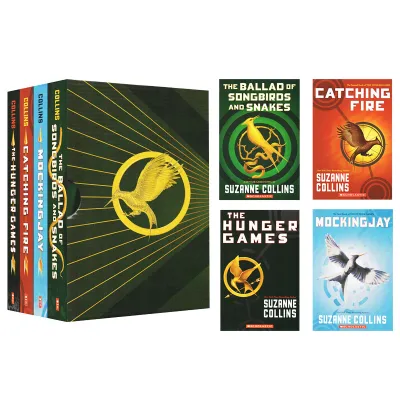
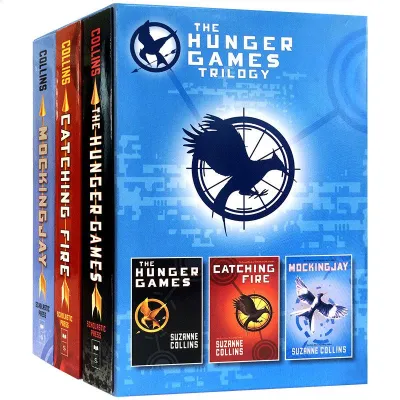
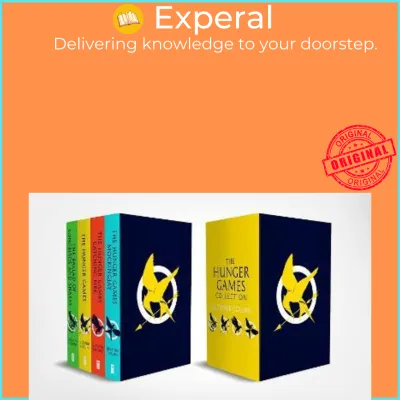
![[SG STOCK]/3 Book/Set][in Stock] English Original Hunger Games Trilogy: The Hunger Games Trilogy Fiction Books](https://img.lazcdn.com/g/p/b4984e6a4369ce71cd75ed38b58623d5.jpg_400x400q80.jpg_.webp)
![[3 Book/Set][in Stock] Hunger Games Trilogy: The Hunger Games](https://img.lazcdn.com/g/p/8b694ab8ab6630312626e3962b358216.jpg_400x400q80.jpg_.webp)
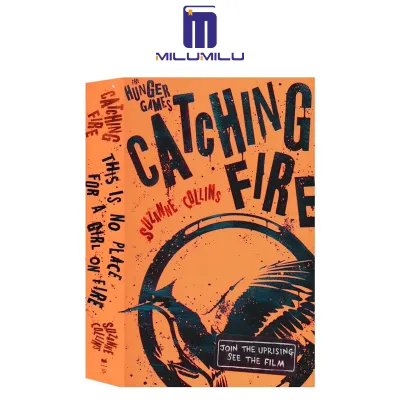
Prices are valid at publication and may change. Please refer to the product page for the latest price.
These thematic differences profoundly shape how readers engage with each text. The Hunger Games invites readers to experience a grand, externalized struggle against an obvious enemy, fostering a sense of righteous indignation and collective action. Singaporean dystopian works, on the other hand, tend to prompt internal reflection, asking readers to question the trade-offs made in the name of security, progress, and social harmony. The horror in local speculative fiction is often quiet and domestic, arising from the realization that the dystopian elements are only a few steps removed from contemporary reality.
Pacing, Narrative Style, and Audience Appeal
The narrative style of the Hunger Games trilogy is engineered for maximum momentum. Written in the first-person, present-tense perspective of Katniss Everdeen, the prose places the reader directly inside the protagonist’s immediate sensory experiences and survival instincts. This stylistic choice, combined with frequent cliffhangers and a highly structured three-act plot in each book, makes the trilogy exceptionally fast-paced. While categorized as Young Adult fiction, its mature themes of trauma, political exploitation, and grief give it a broad crossover appeal that resonates equally with adult readers looking for an immersive, plot-driven journey.

Singaporean speculative and dystopian fiction often adopts a more deliberate, literary, and character-driven pace. Rather than rushing from one action sequence to the next, these stories frequently linger on the quiet moments of daily life under systemic pressure, exploring the internal lives of characters who may not be traditional heroes. The prose style can vary widely, from poetic and experimental to satirical and clinical, reflecting the diverse literary traditions of the region. These works are generally aimed at adult readers who appreciate nuanced character development, atmospheric world-building, and open-ended thematic exploration over neat narrative resolutions.
Before purchasing any title from either category, it is highly beneficial to check content warnings, maturity levels, and specific edition details. Because dystopian fiction inherently deals with heavy themes such as systemic oppression, violence, and psychological distress, reviewing publisher descriptions or community-sourced content guides can help ensure the book matches your comfort level. Additionally, verifying the language edition and translation quality is particularly important for local works, as some Singaporean speculative fiction incorporates regional dialects, Singlish, or multilingual elements that enrich the cultural authenticity of the narrative.
Decision Matrix: Which Should You Pick Up First?
To help streamline your choice, consider your current reading preferences as a decision framework. You should pick up the Hunger Games trilogy first if you are in the mood for a cinematic, plot-heavy adventure with clear moral stakes and a globally recognized cultural legacy. This trilogy is perfect for readers who want to understand the modern blueprint of young adult dystopian literature and enjoy watching a clear, escalating conflict unfold across a cohesive three-book arc. It is also an excellent choice if you prefer a highly active protagonist whose primary goal is physical survival and systemic overthrow.
On the other hand, you should start with Singaporean dystopian fiction if you want to explore how speculative concepts can be applied to highly specific, localized contexts. This path is ideal if you enjoy dissecting the subtle social contracts of modern urban life, appreciate literary ambiguity, and want to support regional voices who challenge conventional storytelling structures. Choosing local works allows you to engage with themes of heritage, language loss, and state-guided destiny that are rarely addressed in Western mainstream media.
It is worth noting that neither option may fully satisfy your needs if you are looking for hard science fiction characterized by heavy technical explanations, complex physics, or space-faring world-building. Both the Hunger Games and Singaporean speculative fiction lean heavily into the realm of social dystopia, where the focus remains firmly on human behavior, political systems, and societal structures rather than technological mechanics. If your primary interest lies in speculative engineering or interstellar colonization, you may want to look toward other subgenres of science fiction.
Where to Source These Books in Singapore
When you are ready to acquire your chosen books, Singapore offers several excellent avenues for both physical and digital formats. For physical copies, visiting major brick-and-mortar bookstores is a great way to browse. Many local independent bookstores curate dedicated sections for Singapore literature and speculative fiction, often featuring staff recommendations that can guide you to lesser-known local gems. Physical browsing also allows you to inspect the print quality, cover design, and physical layout of different editions before making a purchase.
If you prefer to sample books before committing to a purchase, the National Library Board (NLB) network is an invaluable resource. Through local public libraries, you can borrow physical copies or access extensive digital catalogs of both international bestsellers like the Hunger Games and a wide array of Singaporean speculative fiction. Utilizing the library system is a highly sustainable way to explore different authors and styles, helping you identify which narratives truly capture your interest before you invest in building a personal collection.
For digital readers and audiobook enthusiasts, it is essential to verify format compatibility and regional availability on official digital platforms. When purchasing e-books or audiobooks through authorized online bookstores, double-check that the file format matches your specific e-reader or playback device. Some local titles may have specific regional distribution rights, so sourcing them through authorized local distributors ensures you receive complete, high-quality editions while directly supporting the publishers and authors who bring these dystopian worlds to life.
Frequently Asked Questions (FAQ)
Do I need to read The Hunger Games in chronological order?
While the prequel novel, The Ballad of Songbirds and Snakes, takes place decades before the events of the main trilogy, it is highly recommended to read the books in publication order starting with The Hunger Games. Reading the original trilogy first establishes the core lore, the mechanics of Panem’s society, and the emotional weight of the games, which makes the prequel’s exploration of the Capitol’s rise to power far more impactful. Starting with the prequel can inadvertently spoil key thematic reveals and character developments that are designed to be discovered through Katniss’s perspective first.
How can I find available Singaporean dystopian titles?
Because local speculative fiction is a dynamic and growing field, the best way to find current titles is to consult local literary award shortlists, such as the Singapore Literature Prize, which frequently highlight outstanding works of fiction. Additionally, checking the curated collections of independent local bookstores or exploring speculative fiction anthologies can introduce you to a variety of local voices in one volume. These anthologies serve as excellent entry points, allowing you to sample different writing styles and thematic focuses before committing to a full-length novel by a specific Singaporean author.
Community discussion
Share your experience or ask a question. Comments are reviewed before publication.