
Choosing your first personal finance book depends entirely on whether you need to reshape how you think about wealth or require an immediate, step-by-step system to manage your monthly cash flow. If you find yourself earning a comfortable income but wondering why your savings never seem to grow, your primary hurdle is likely behavioral. Conversely, if you are struggling to pay off high-interest debt or do not know how to open a brokerage account, you need practical, tactical instructions rather than philosophical advice.
While The Psychology of Money by Morgan Housel has become a modern classic, it is not always the right starting point for every reader. Understanding where this book fits within the broader landscape of financial literature will help you invest your reading time wisely and build a financial strategy that matches your current needs.
Core Differences: Mindset vs. Tactics vs. Market Theory
Personal finance literature generally falls into three distinct categories, each serving a different stage of your financial journey. Understanding these categories prevents the frustration of reading a book that does not address your immediate problems.
Products mentioned in this guide
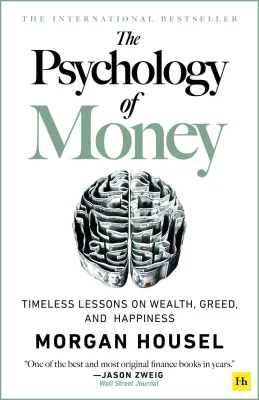



Prices are valid at publication and may change. Please refer to the product page for the latest price.
Behavioral finance and money mindset books focus on emotional discipline, risk perception, and your personal relationship with wealth. These texts do not offer spreadsheets or step-by-step guides. Instead, they explore why human beings make irrational decisions with money, how greed and fear drive market cycles, and why keeping your lifestyle inflation in check is more important than chasing high investment returns.
Actionable personal finance tactics represent the second category. These are the practical manuals of the financial world. They cover daily budgeting, debt clearance strategies, credit card optimization, and automated banking setups. If you need to know exactly how to allocate your paycheck this month or how to negotiate down your bills, these books provide the concrete templates you need.
Wealth building and market theory books form the third category. These advanced texts dive into business structures, real estate acquisition, cash flow assets, and portfolio construction. They assume you already have a capital surplus and are looking for ways to optimize your asset allocation, understand market valuations, or explore entrepreneurial paths to generate passive income.
| Book Category | Core Focus | Target Audience | Complexity Level |
|---|---|---|---|
| Money Mindset | Behavioral psychology, emotional discipline, risk perception | Beginners, high earners with high spending, anxious investors | Low to Medium |
| Tactical Finance | Budgeting templates, debt reduction, account automation | Individuals with immediate cash flow or debt challenges | Medium |
| Market Theory & Wealth | Asset allocation, business structures, compounding mechanics | Readers with capital surplus looking to invest long-term | High |
Deep Dive: What You Actually Learn from The Psychology of Money
The Psychology of Money focuses almost entirely on the behavioral aspects of wealth. Through a series of short, highly engaging stories, the book teaches you that doing well with money is less about what you know and more about how you behave. You will learn to redefine personal wealth not as the expensive items you buy, but as the unseen assets you save, which ultimately purchase your time and freedom.

One of the most valuable lessons in the book is the concept of “enough.” It explains how chasing an ever-moving financial goalpost can lead to ruin, and why survival and consistency in the market are far more important than occasional, high-risk financial wins. It reframes saving money not as a sacrifice, but as a tool for personal flexibility in an unpredictable world.
However, the book has clear limitations. You will not find step-by-step budgeting templates, tax-saving strategies, or stock-picking formulas within its pages. It does not explain how to analyze a balance sheet or how to set up an emergency fund. It is a conceptual guide designed to change your perspective, not an operational manual.
This makes the book ideal for two specific profiles: beginners who are intimidated by complex financial jargon and need a gentle, reassuring entry point, and high earners who struggle to retain wealth because their spending rises alongside their income. If you need to fix your relationship with spending before you start investing, this book is an excellent first step.
When to Skip It and Choose an Alternative Instead
Despite its popularity, there are several scenarios where you should skip The Psychology of Money and choose a different book as your first read. If you are facing an immediate financial crisis, a philosophical book will not solve your problems.
If you are currently dealing with high-interest debt, such as credit card balances, you need immediate, structured debt-payoff formulas. A mindset book will not teach you how to execute a debt snowball or debt avalanche strategy, nor will it help you track your daily expenses. In this situation, look for tactical personal finance guides that focus on debt recovery and basic cash flow management.
If you already have a healthy savings buffer and are ready to start investing, you might find The Psychology of Money too abstract. If you want to know how to construct a portfolio, understand index fund allocation percentages, or learn the mechanics of dollar-cost averaging, you should choose a book focused on passive index investing or market theory. These books will give you the technical confidence to deploy your capital.
Finally, if your goal is to build a business, understand corporate finance, or learn how to flip real estate, a general personal finance book will not suffice. You will need specialized entrepreneurial blueprints or real estate investment guides that cover commercial valuations, leverage, and business tax structures.
Decision Framework: Which Book Matches Your Current Goals?
To decide which book to read first, evaluate your current financial situation and identify your most pressing bottleneck. Your goals should dictate your reading list, not the current bestseller charts.
Choose The Psychology of Money if you struggle with emotional spending, feel anxious about market volatility, or want to understand how to maintain wealth over decades. This book will help you build the emotional resilience required to stay invested during market downturns and resist the urge to show off your income through material possessions.
Choose tactical guides if you need immediate systems to manage your money. If you do not have a budget, do not know how to automate your savings, or need to optimize your credit card usage to build a positive credit history, a tactical manual will give you the actionable steps to organize your financial life within a weekend.
Choose investing classics if you already have a capital surplus and want to understand market valuations, compounding, and asset class differences. These books are best suited for readers who have cleared their high-interest debts, established an emergency fund, and are ready to commit to a long-term investment strategy.
Before making any major financial decisions based on your reading, remember to verify if your situation requires professional guidance. While books provide excellent general principles, complex tax situations, estate planning, or significant debt restructuring often require the expertise of a licensed professional financial advisor.
What to Verify Before Buying or Borrowing
When you are ready to acquire your chosen book, there are several practical details you should verify to ensure you get the most value from your reading experience.
First, check for updated editions. While mindset books like The Psychology of Money remain relevant for decades because human psychology does not change, tactical finance books age rapidly. A tactical book written a decade ago may reference outdated tax laws, obsolete software platforms, or interest rates that no longer exist in the current market. Always look for the most recent edition of tactical guides.
Second, verify format compatibility and translation quality. If you prefer reading on an e-reader, ensure the charts and tables in the book are formatted correctly for your device. If you are reading a translated version, check reader reviews to ensure the translation preserves the original financial nuances without introducing confusing terminology.
Finally, ensure you purchase your copy from authorized retailers, official publisher stores, or borrow it from reputable public libraries. This guarantees you receive a complete, high-quality copy without missing chapters, printing errors, or formatting issues that often plague unauthorized digital copies.
Frequently Asked Questions (FAQ)
Do I need to read The Psychology of Money before investing in stocks?
No, you do not need to read it as a strict prerequisite, but doing so can protect you from costly emotional mistakes. Mindset books build the emotional discipline needed to handle market volatility, helping you avoid panic-selling when stock prices drop. However, they do not teach you the mechanics of how to open a brokerage account, place an order, or analyze a company’s financial health. You can safely study market mechanics and behavioral finance in parallel, depending on how soon you plan to deploy your capital.
Can I rely solely on these books for financial planning in Singapore?
No, you cannot rely solely on international personal finance books for your local financial planning. Most popular finance books are written from a global or US-centric perspective and do not cover Singapore-specific systems. They will not explain how to optimize your Central Provident Fund (CPF) accounts, how to leverage local tax reliefs, or how to plan for a housing purchase using HDB grants. You should use these books to understand general wealth principles, but always cross-reference them with official government resources or consult a locally licensed financial advisor for your specific planning needs.
Community discussion
Share your experience or ask a question. Comments are reviewed before publication.