
Selecting the right violin strings is one of the most effective ways to shape your instrument’s voice, projection, and playability. Among the diverse offerings from Austrian manufacturer Thomastik-Infeld, three synthetic-core lines stand out as prominent choices for players worldwide: Dominant, Vision, and Peter Infeld. Choosing between them requires evaluating your instrument’s natural acoustic profile, your technical proficiency, and your specific performance goals. Dominant serves as the classic, warm, and highly adaptable synthetic benchmark; Vision offers a modern, focused, and clear alternative with rapid stability; and Peter Infeld represents a premium, complex, and powerful option tailored for soloists and advanced players. By analyzing how these lines differ in construction, tonal characteristics, and overall value, you can make an informed decision that complements your violin and playing style.
Understanding the Core Differences and Decision Framework
To navigate these three string lines successfully, you must first understand the primary design philosophy behind each collection. Thomastik-Infeld engineered these strings to address distinct acoustic and performance needs, moving from traditional warmth to modern clarity and premium complexity.
The decision framework relies on matching your instrument’s inherent voice with the corrective or enhancing properties of the strings. For instance, a naturally bright or harsh violin may benefit from the rounding warmth of Dominant, while a dark or sluggish instrument might find new life and clarity with the focused projection of Vision.
Products mentioned in this guide
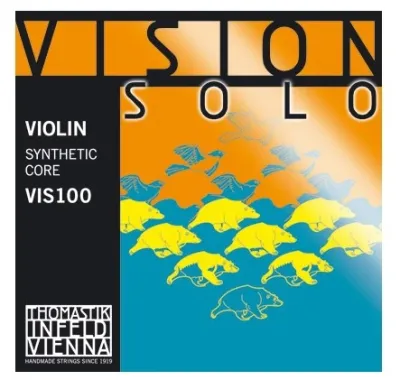
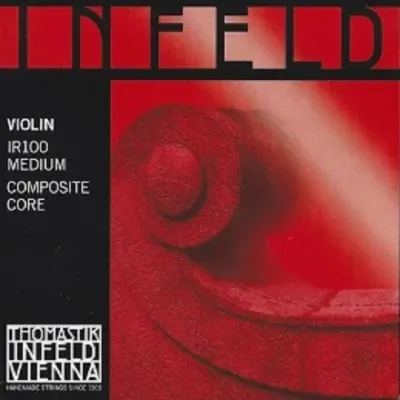
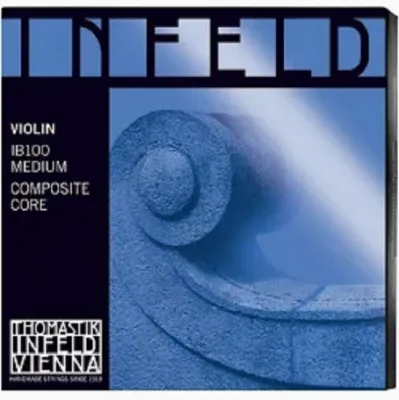
Prices are valid at publication and may change. Please refer to the product page for the latest price.
Furthermore, your advancement level and playing environment dictate which line offers the most practical benefits. Students and orchestral players often prioritize the reliable blending capabilities of Dominant or the quick stability of Vision, whereas soloists and conservatory students frequently invest in the expressive range of Peter Infeld.
Verifying Construction, Materials, and Setup Compatibility
Before purchasing any string set, it is essential to verify the physical specifications, materials, and compatibility with your violin’s current setup. While all three lines are celebrated for their synthetic cores, the specific winding materials and core formulations differ significantly across the ranges.

Dominant strings typically feature a highly flexible, multi-strand synthetic core wound with aluminum or silver. Vision strings utilize an advanced synthetic core designed for rapid settling, wound with materials like aluminum, silver, or pure silver. Peter Infeld strings employ a highly sophisticated synthetic core, often paired with premium winding options such as chrome steel, aluminum, silver, or even platinum and gold plating on the E-string.
Tension options must also be verified to prevent structural strain on your instrument. Most of these lines are available in light, medium, and heavy tensions, with medium being the standard choice for the vast majority of violins. High-tension strings exert greater downward pressure on the bridge and top plate, which can choke the sound of a delicate or older instrument, whereas low-tension strings may fail to drive a thick, heavy top plate.
Finally, you must check the string end types to ensure they match your tailpiece configuration. E-strings are commonly sold in both ball-end and loop-end variations; using a loop-end string on a ball-end fine tuner can damage the string or the tuner hook. Always inspect your tailpiece and fine tuners before ordering to confirm whether you require a removable ball or a dedicated loop end.
Comparing Tonal Profiles and Playability Traits
The tonal profile of a string line defines its acoustic character, ranging from warm and broad to bright and focused. Understanding these general categories helps you predict how a string set will interact with your violin’s natural resonance.
Dominant strings are widely recognized for their warm, round, and highly neutral tonal profile. They do not heavily color the sound of the instrument, which allows the natural, organic voice of your violin to shine through. This neutrality makes them an excellent baseline for assessing any violin’s true acoustic properties.
In contrast, the Vision line is formulated for a modern, bright, and highly focused sound. These strings offer excellent clarity and direct projection, making them highly effective at cutting through ensemble textures. The tone is clean and concentrated, which can help clarify the sound of a muddy or overly dark instrument.
Peter Infeld strings occupy a premium tier, offering a complex, rich, and powerful tonal palette. They provide a sophisticated balance of deep warmth and brilliant overtones, giving the player an exceptional range of colors and dynamic contrast. This complexity allows for highly expressive solo playing, though it requires a refined technique to fully exploit.
Playability traits, such as response time and bowing feel, also vary across these lines. Vision strings offer an immediate, highly forgiving response under the bow, making them excellent for rapid passages and advancing students. Dominant strings provide a moderate, traditional response that rewards precise bowing, while Peter Infeld strings are exceptionally sensitive, responding instantly to the subtlest changes in bow speed, pressure, and contact point. Because these traits are highly subjective and depend on your violin’s unique acoustics, consulting with your teacher, local luthiers, or player reviews can provide valuable context for your specific setup.
Matching Strings to Your Instrument and Playing Style
To simplify your selection, you can use a structured decision framework based on your specific playing context and instrument characteristics. Matching the strengths of each string line to your daily needs ensures you get the best performance from your setup.
Choose Dominant if you want a reliable, industry-standard benchmark that preserves your violin’s natural warmth, or if you play in orchestral settings where blending with other string players is essential. It is also the ideal choice if you are unsure of your instrument’s tonal tendencies and need a neutral starting point.
Choose Vision if your violin has a dark, sluggish, or muted response and needs additional clarity, focus, and projection. This line is also highly suitable for students and ensemble players who require strings that stabilize quickly and offer a forgiving, immediate bow response.
Choose Peter Infeld if you are an advanced student, soloist, or professional musician seeking maximum tonal complexity, powerful projection, and a wide dynamic range. These strings are designed for high-performance instruments that can respond to a premium, highly sensitive setup.
Neither may fit if your instrument requires a specialized steel-core setup (often preferred by folk, country, or fiddle players who need an ultra-bright, direct sound and maximum durability) or if your violin has structural issues that require custom luthier adjustments rather than a change of strings.
Before making a drastic change in string type or tension, always verify your instrument’s physical condition. A qualified luthier should check your bridge height, soundpost position, and fingerboard condition, as these setup factors heavily influence how any string line performs.
| String Line | Core Material | Primary Tonal Character | Most Suited For |
|---|---|---|---|
| Dominant | Classic Synthetic | Warm, round, neutral, organic | Orchestral blending, neutral baseline, all-around playability |
| Vision | Modern Synthetic | Bright, focused, clear, direct | Dark instruments, advancing students, rapid tuning stability |
| Peter Infeld | Premium Synthetic | Complex, powerful, rich, expressive | Soloists, professional performance, high-dynamic range |
Evaluating Cost, Lifespan, and Overall Value
Investing in violin strings requires balancing your personal budget with the expected lifespan and performance of each set. Because prices fluctuate based on market conditions and import factors, you should check current retail prices in S$ across authorized local music retailers, reputable luthiers, and established online stores.
The overall lifespan of your strings is influenced by several environmental and physical factors. In humid climates, such as Singapore’s tropical environment, moisture and sweat can accelerate the oxidation of metal windings, particularly aluminum. Regular maintenance, such as wiping down the strings with a dry microfiber cloth after every playing session and keeping your instrument in a humidity-controlled case, is crucial for preserving both the physical integrity and the tonal life of your strings.
You can observe physical wear through signs like unraveling windings, discoloration, or rust. Tonal degradation is typically marked by a loss of resonance, a dull or “dead” sound, and difficulty keeping the strings in tune (often referred to as the strings going “false”).
In terms of value, Dominant represents the budget-friendly standard, offering highly reliable performance and a classic sound at a moderate price point. Vision provides a cost-effective modern alternative, delivering excellent durability and quick stability that appeals to busy students and gigging musicians. Peter Infeld stands as a premium investment, where the higher cost is justified by the exceptional complexity, power, and professional-grade expression it brings to high-caliber instruments.
Frequently Asked Questions (FAQ)
Can I mix strings from different Thomastik-Infeld lines?
Yes, mixing strings is a common practice among violinists to balance the tonal output of their instrument. However, it is important to match tensions and core types carefully to maintain even bridge pressure and a consistent feel across all four strings. For example, mixing a high-tension steel string with low-tension synthetic strings can create uneven physical stress on the instrument’s top plate and bridge. Before experimenting with mixed setups, consult a qualified luthier to ensure your choices will not negatively impact your violin’s setup or cause uneven wear.
How long does it take for these strings to break in?
The break-in period varies depending on the core material and construction of the string line. Synthetic core strings like Dominant and Peter Infeld typically require a few days of regular playing and stretching to settle completely and hold their pitch reliably. During this initial period, they may sound slightly metallic or harsh before warming up to their true tonal profile. Modern synthetic lines like Vision are engineered for rapid stability, often settling and reaching tonal maturity within a few hours to a single day. You will know your strings have fully broken in when they maintain stable tuning over long playing sessions and deliver a consistent, balanced tone.
Community discussion
Share your experience or ask a question. Comments are reviewed before publication.