
Selecting the right tuning fork frequency for your wellness routine depends on matching the physical properties of the instrument to your specific goals, such as deep meditation, ambient soundscapes, or physical vibration work. While popular discussions often focus on the mystical properties of specific tones, the practical application of sound therapy relies on how these frequencies interact with your environment and your body. By understanding the distinction between airborne acoustic tones and physical vibrations, you can choose a tool that seamlessly integrates into your mindfulness practices.
Understanding Frequencies in Sound Therapy
Frequency, measured in Hertz (Hz), represents the physical pitch and the rate at which the metal prongs of a tuning fork vibrate per second. When you strike a tuning fork, it displaces the surrounding air molecules, creating a consistent sound wave that travels outward. This physical vibration is the foundation of all sound therapy practices, providing a steady, predictable auditory or tactile focal point.
It is helpful to distinguish between acoustic resonance—the physical sensation of sound waves traveling through the air or a solid surface—and subjective wellness experiences. While many people find the pure, sustained tones of a tuning fork deeply calming, these responses are highly personal. The soothing effect of sound is a subjective experience that varies from person to person, often acting as a sensory anchor during meditation.
Products mentioned in this guide
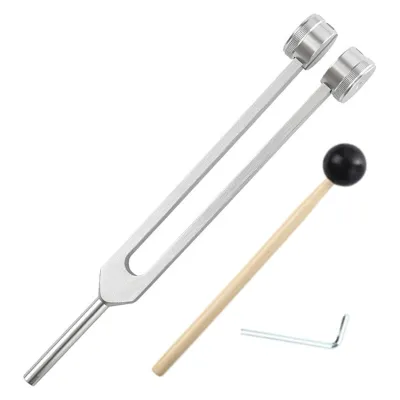
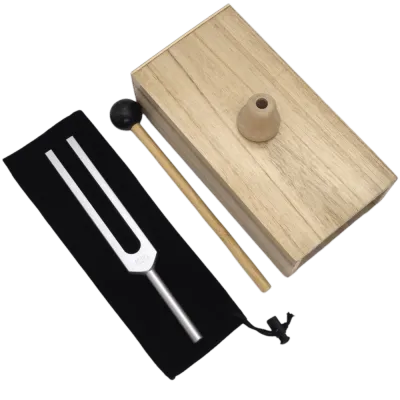
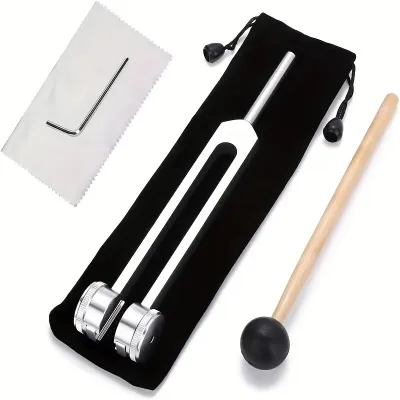
![[frey2009]High-Frequency Tuning Fork 4096HZ Tuning Fork Aluminum Alloy Healing Sound Vibration Tuning Fork](https://img.lazcdn.com/g/p/8a88dcac9f10352d2b8902d8d7241394.jpg_400x400q80.jpg_.webp)
![[eugh mall]High-Frequency Tuning Fork 4096HZ Tuning Fork Aluminum Alloy Healing Sound Vibration Tuning Fork](https://img.lazcdn.com/g/p/b44264008fa8a56df54ac16d8e0c6541.jpg_400x400q80.jpg_.webp)
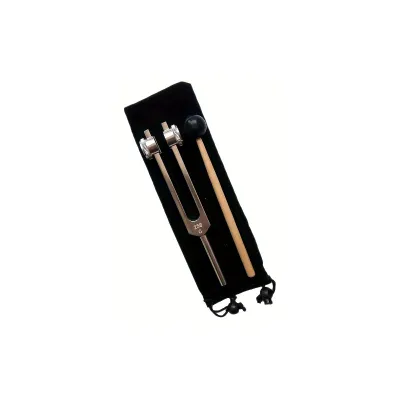
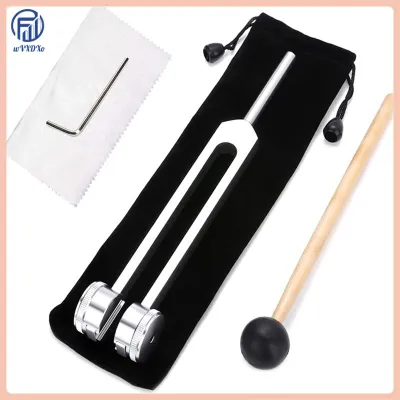
Prices are valid at publication and may change. Please refer to the product page for the latest price.
As you explore tuning forks, it is important to maintain realistic expectations regarding their effects. Sound therapy is a complementary relaxation and mindfulness practice designed to support overall well-being and stress reduction. It is not a medical treatment, diagnostic tool, or cure for physical and mental health conditions. Anyone experiencing persistent health concerns should consult a qualified healthcare professional rather than relying on sound tools as a primary intervention.
Common Frequencies and Their Traditional Wellness Uses
In the realm of sound therapy, several specific frequencies have gained popularity for their traditional roles in meditation and relaxation. One of the most common is 432 Hz, which is frequently utilized for general grounding, deep meditation, and calming the mind. Many practitioners perceive this frequency as having a softer, warmer tone compared to the standard modern concert pitch of 440 Hz, making it a popular choice for ambient soundscapes.

Another widely discussed frequency is 528 Hz, which is traditionally associated with intention-setting, mindfulness, and stress relief. In alternative wellness and sound bath circles, this tone is often referred to as a frequency of transformation or renewal. While these associations are rooted in traditional practices rather than clinical evidence, the clear, bright tone of 528 Hz serves as an excellent focal point for focused breathing exercises.
Beyond individual tones, practitioners often use structured scales, such as the Solfeggio frequencies or chakra-specific tones. These systems map specific frequencies—ranging from 396 Hz to 963 Hz—to different energy centers or meditative themes. For example, lower frequencies are typically used for grounding and stability, while higher frequencies are selected for mental clarity and spiritual focus, allowing for a highly structured and thematic meditation session.
Ultimately, the choice of frequency for your practice is highly subjective and depends on your personal acoustic resonance. Different individuals respond to different pitches based on their hearing sensitivity, personal preferences, and the specific methodology of their sound practice. Experimenting with a few different tones can help you identify which frequencies feel most supportive and resonant for your personal routine.
Physical Specs That Shape Your Sound Practice
When selecting a tuning fork, the physical design of the instrument is just as important as its frequency. The most critical distinction is between weighted and unweighted forks. Weighted forks feature small metal masses attached to the ends of the prongs, which direct the vibration downward through the stem. This design produces a strong, localized physical sensation with very little airborne sound, making weighted forks well-suited for direct application to the body or near joints.
In contrast, unweighted forks do not have these extra masses. When struck, they produce a clear, bright, and long-lasting airborne tone that projects into the room. These forks are designed primarily for auditory use, making them the preferred choice for ambient soundscapes, space clearing, and traditional sound baths where the sound is meant to be heard rather than felt physically.
The material and finish of the tuning fork also play a significant role in its durability and performance. High-grade aluminum alloys are the industry standard because they are lightweight, resistant to corrosion, and capable of maintaining a highly consistent tone over time. While some forks feature anodized finishes in various colors, these coatings primarily affect the grip, corrosion resistance, and aesthetics without altering the core frequency of the instrument.
Finally, the physical size and mass of the fork dictate its acoustic properties. Larger tuning forks have longer prongs, which naturally produce lower frequencies and require a bit more physical force to strike effectively. Smaller forks produce higher pitches and are highly portable, though they generally have a shorter acoustic sustain, meaning you will need to strike them more frequently to maintain the sound.
How to Choose the Right Fork for Your Routine
To choose the right tuning fork, start by identifying your primary wellness activity. If your goal is deep meditation, mindfulness, or creating an ambient sound environment, unweighted forks are the most suitable option. Selecting an unweighted fork in 432 Hz or 528 Hz will provide you with a clear, sustained airborne tone that helps quiet the mind and establish a peaceful atmosphere for your practice.
If you plan to use the tuning fork for physical vibration and bodywork, you should opt for a weighted model. These forks allow you to place the stem directly against the skin or clothing to feel the physical resonance. When using weighted forks, always read the manufacturer’s guidelines for safe body application, ensuring you apply gentle pressure and avoid sensitive areas, such as the temples, throat, or directly over bones.
For those interested in chakra meditation or structured sound baths, purchasing a calibrated set from a single manufacturer is highly recommended. Mixing individual forks from different brands can lead to inconsistencies in tuning standards and material quality, which may disrupt the harmonic intervals between tones. A matched set ensures that the frequencies are precisely calibrated to work together harmoniously.
Regardless of the frequency you choose, always verify the manufacturer’s stated accuracy tolerances and return policies before purchasing. Poor manufacturing standards can result in off-pitch tools that fail to deliver the precise frequency required for structured sound practices. Investing in a well-crafted, calibrated instrument ensures that your tuning fork remains a reliable companion in your wellness journey.
Frequently Asked Questions (FAQ)
Do I need a specific activator or mallet for my tuning fork?
Yes, using the correct striking tool is essential for protecting your tuning fork and achieving a pure tone. A rubber or soft silicone mallet is highly recommended, as it strikes the prongs gently to produce a smooth, clean sound without any harsh metallic clanging. You should avoid striking weighted tuning forks against hard surfaces, as this can damage the attached weights, scratch the metal, or permanently alter the factory calibration of the frequency.
How do I clean and maintain my tuning forks?
To keep your tuning forks hygienic and functional, wipe them down with a soft, dry or slightly damp microfiber cloth after each use. This is especially important for weighted forks that come into direct contact with skin oils or lotions. Avoid using harsh chemical cleaners, abrasive pads, or submerging the forks in water, as these can degrade the anodized finish or loosen the weights. Always store your forks in a protective pouch or lined case to prevent physical dents and scratches that could alter their frequency.
Community discussion
Share your experience or ask a question. Comments are reviewed before publication.