
Quick Answer: Gig Bag or Hard Case?
Choosing between a ukulele gig bag and a hard case is not a matter of finding a single superior option, but rather identifying the right tool for your specific lifestyle, instrument type, and environmental conditions. Your decision should rest on three primary pillars: your daily transit habits, the monetary or sentimental value of your instrument, and the climate in which you store it.
For musicians who primarily commute locally, attend casual jam sessions, value hands-free mobility, or own durable laminate ukuleles, a padded gig bag offers exceptional convenience and adequate protection. The lightweight design and backpack straps make navigating public transit or walking long distances effortless.
Conversely, a hard case is non-negotiable if you travel by air, own a high-value solid-wood or vintage instrument, or need to maintain a stable microclimate to protect against extreme humidity fluctuations. In tropical environments, the sealing capabilities of a hard case are essential for long-term preservation. Assessing your routine and instrument construction will point you directly to the correct choice.
Products mentioned in this guide
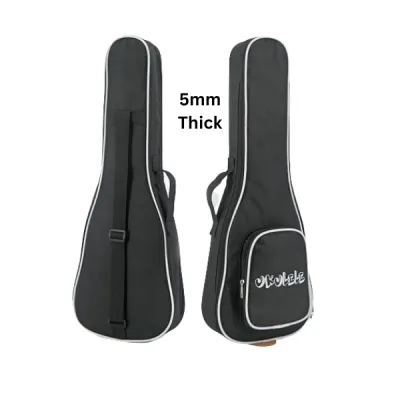
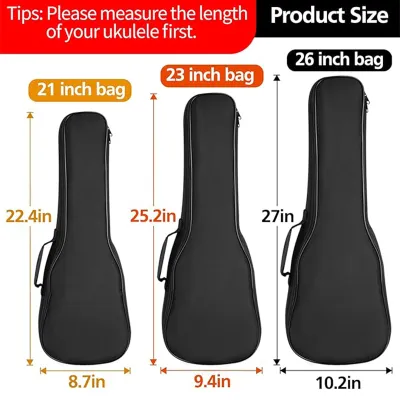
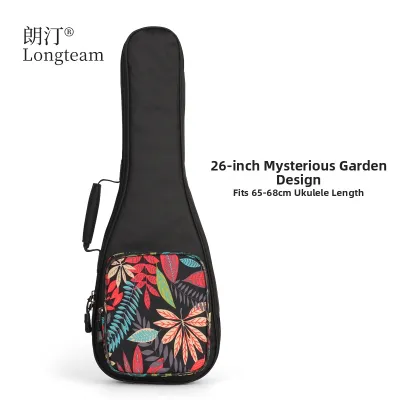
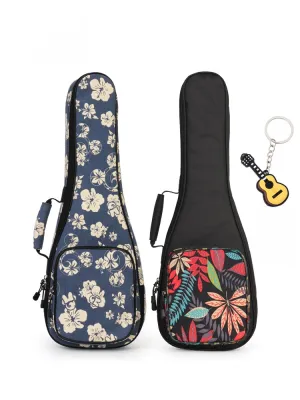
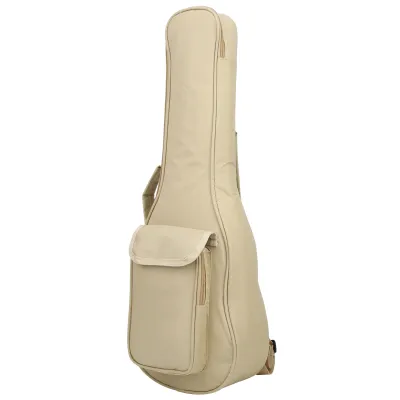
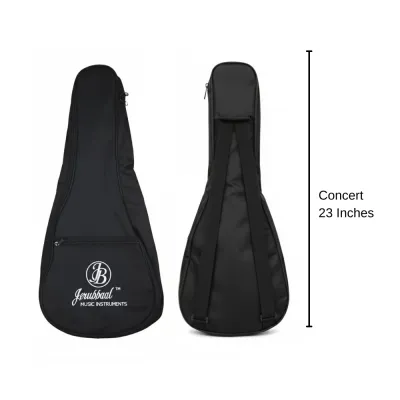
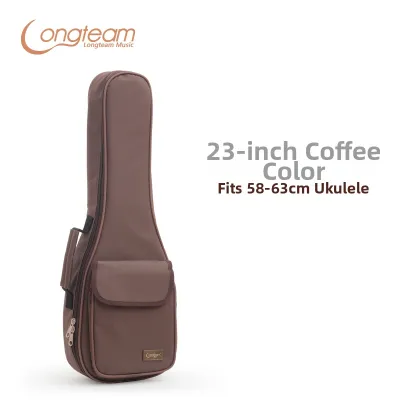
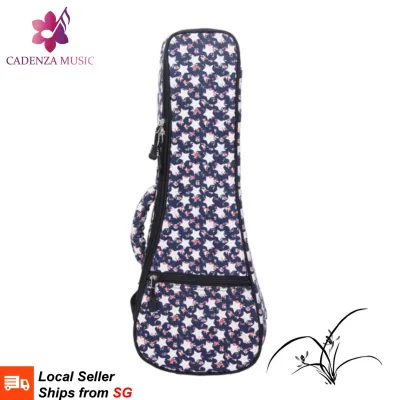
Prices are valid at publication and may change. Please refer to the product page for the latest price.
Protection and Impact Resistance Compared
To understand how each option safeguards your instrument, you must examine how they respond to physical forces such as drops, crushing pressure, and sharp impacts. The structural differences between a rigid exterior shell and a flexible fabric cover dictate how impact energy is absorbed or redirected away from the delicate tonewoods of your ukulele.

Hard Cases: Rigid Deflection and Structural Integrity
Hard cases utilize a rigid outer shell constructed from materials like laminated plywood covered in vinyl, molded ABS plastic, fiberglass, or carbon fiber. This hard exterior does not merely cushion an impact; it deflects and distributes the force across the entire surface of the case, preventing the energy from reaching the instrument inside.
This structural rigidity is crucial for resisting crushing forces. If a heavy object is dropped onto a hard case, or if the case is stacked underneath heavy luggage in a car boot or an airplane cargo hold, the shell bears the entire load. Plywood cases offer excellent rigidity but are heavy, while ABS plastic provides high impact resistance with a slight amount of protective flex. Fiberglass and carbon fiber cases offer maximum crush resistance and superior weather sealing, though they represent a much higher financial investment.
Gig Bags: Shock Absorption and Surface Protection
Gig bags rely on flexible, woven synthetic fabrics like polyester, canvas, or heavy-duty denier nylon (such as 600D or 1680D). The denier rating indicates the density of the thread; higher numbers offer superior resistance to tears, abrasions, and punctures. Rather than deflecting impacts, a gig bag absorbs shock through layers of internal foam padding.
Cheap, entry-level gig bags often feature thin open-cell foam padding (around 5mm), which offers little more than scratch and dust protection. Premium gig bags utilize 15mm to 30mm of high-density, closed-cell polyethylene or polyurethane foam. Closed-cell foam is highly effective at absorbing kinetic energy from minor bumps, such as knocking against a doorway or a microphone stand. However, because the fabric structure is flexible, gig bags offer virtually zero protection against crushing forces or heavy loads. If compressed, the foam simply flattens, transmitting the pressure directly to the ukulele body.
Internal Support and Movement Prevention
An often-overlooked aspect of protection is how well the case prevents the instrument from shifting internally during transit. When a case experiences a sudden stop or drop, any internal movement can cause the ukulele to collide with the interior walls, leading to cracked necks, broken tuning pegs, or finish damage.
High-quality hard cases feature a custom-molded interior lined with soft plush fabric or velvet over a dense foam core. They include a dedicated neck cradle that supports the neck joint and keeps the headstock elevated. This elevation is critical because the angled headstock of a ukulele is highly vulnerable to “whiplash” fractures if the case falls flat on its back.
Premium gig bags compensate for their flexible exteriors by incorporating internal structural elements. Look for bags that feature adjustable neck pillows with Velcro straps to lock the neck in place, reinforced interior patches at the headstock and bridge to prevent sharp string ends from tearing the lining, and dense bottom padding to cushion the strap button during vertical drops.
Portability, Weight, and Daily Commute
While absolute protection is desirable, the practicalities of carrying your instrument daily play a massive role in how often you will actually take it out to play. The trade-off between the heavy-duty security of a hard case and the lightweight convenience of a gig bag becomes highly apparent during your daily commute.
Weight Differences and Physical Strain
Weight is a critical factor if you walk long distances, ride a bicycle, or rely on public transport systems. A standard soprano or concert ukulele is incredibly light, often weighing less than 700 grams.
Storing this featherweight instrument in a traditional plywood hardcase can add 1.5 to 3 kilograms of dead weight. Carrying this unbalanced load by a single handle over long periods can cause hand and wrist fatigue. A padded gig bag, by contrast, typically weighs between 0.5 and 1.2 kilograms, preserving the lightweight, portable nature of the ukulele.
Carrying Configurations and Ergonomics
How you carry your instrument alters your commuting experience. Most gig bags are equipped with dual adjustable, padded backpack straps. This configuration distributes the weight evenly across both shoulders, keeping your hands completely free to hold handrails on buses, carry sheet music, or navigate ticketing gates.
Traditional hard cases generally feature only a single, molded plastic or leather-wrapped handle on the side. This requires you to carry the case like a briefcase, keeping one hand occupied at all times. While some modern fiberglass or ABS cases include metal D-rings for attaching a shoulder strap, they rarely offer the ergonomic comfort of dedicated backpack straps, and these straps must often be purchased separately.
Navigating Tight Spaces and Storage
Your transit environment should influence your choice of protection. If you regularly commute during peak hours on crowded trains or buses, space is at a premium.
A hardcase has fixed, uncompromising physical dimensions. It cannot be squeezed, bent, or compressed to fit into tight spaces, making it awkward to manage in crowded carriages or small car boots. A gig bag possesses a degree of physical flexibility, allowing it to conform slightly to tight spaces or slide easily into overhead racks and narrow storage compartments. Furthermore, when you arrive at your destination or return home, an empty gig bag can be folded or compressed for easy storage in a wardrobe, whereas an empty hard case requires the same amount of physical space whether it is full or empty.
Accessory Storage Capacity
Musicians rarely travel with just their instrument; you will likely need to carry a digital tuner, spare strings, a capo, a cleaning cloth, sheet music, and personal items like keys or a phone.
Gig bags excel in this department, typically featuring large, zippered exterior pockets designed specifically to hold these accessories. Some even feature expandable compartments large enough for music books or tablets. Hard cases offer highly restricted storage. They generally feature a small, lidded compartment directly beneath the neck support cushion inside the case. This pocket can hold a capo and a few picks, but cannot accommodate larger items like chord books, music stands, or tablets, forcing you to carry an additional gear bag.
Climate Control and Long-Term Storage
For wooden musical instruments, environmental factors can be just as destructive as physical impacts. This is especially true for solid-wood ukuleles (made from tonewoods like Koa, Mahogany, or Spruce) when kept in tropical environments like Singapore, where the climate is characterized by high ambient humidity and rapid temperature shifts.
Understanding Humidity Risks for Tonewoods
Wood is a natural, hygroscopic material, meaning it constantly absorbs and releases moisture to stay in equilibrium with the surrounding air. When wood absorbs excess moisture, it swells; when it dries out, it shrinks.
In Singapore, the outdoor relative humidity frequently hovers between 70% and 90%. However, indoor spaces heavily cooled by air conditioning can drop to 50% humidity or lower. Moving your ukulele back and forth between these two environments subjects the wood to rapid hygroscopic expansion and contraction. This stress can cause the wood to warp, the bridge to lift off the soundboard, glue joints to fail, and frets to sprout sharp edges along the side of the fingerboard. In extreme cases of dryness or rapid shifting, the wood can crack.
Microclimate Creation in Hard Cases
A hard case is the single most effective tool for managing these environmental threats. When closed, a high-quality hard case—especially one with a tight tongue-and-groove valance or a rubber gasket seal—creates a highly isolated microclimate. This seal slows down the exchange of air between the inside of the case and the outside world.
Because the air exchange is restricted, you can actively control the internal relative humidity (RH). The ideal humidity range for a wooden ukulele is between 45% and 55%. In a humid climate, you can place silica gel packets or specialized, two-way humidity control packs inside the hard case. These packs will absorb excess moisture from the air, maintaining a stable, safe environment for your instrument regardless of whether you are outdoors or in an air-conditioned room.
The Breathability of Gig Bags
Gig bags are constructed from woven synthetic fibers and closed with standard zippers. These materials are highly breathable and do not create an airtight or vapor-tight seal.
As a result, the relative humidity inside a gig bag will equalize with the ambient room humidity almost immediately. If you place silica gel packets inside a gig bag, they will quickly saturate by absorbing moisture from the endless supply of ambient air leaking through the fabric and zippers, rendering them useless within days. A gig bag offers virtually no protection against rapid humidity transitions, leaving solid-wood instruments highly vulnerable to environmental damage.
Practical Climate Care and Storage Rules
To ensure your instrument remains structurally sound, implement these practical storage habits:
- Monitor with a Hygrometer: Place a small digital hygrometer inside your case (either in the accessory pocket or near the headstock) to get accurate, real-time relative humidity readings.
- Avoid Hot Vehicles: Never leave your ukulele inside a parked car, regardless of whether it is in a gig bag or a hard case. Temperatures inside a car exposed to the sun can quickly exceed 60 degrees Celsius, which will soften the structural glues holding the bridge, braces, and neck together, causing catastrophic structural failure.
- Store Away from Direct Sunlight: Keep your cased instrument in a cool, shaded part of your home, away from windows, external walls that absorb heat, and direct air-conditioning drafts.
Price and Value Considerations
Your budget and the replacement cost of your instrument should directly influence how much you invest in protection. Balancing these costs ensures you do not overspend on unnecessary gear or underspend and risk damaging a valuable instrument.
Relative Cost and Market Expectations
Gig bags and hard cases occupy very different price brackets, reflecting their manufacturing complexity and material costs.
- Gig Bags: Basic, unpadded dust covers can be found for under S$15, but these offer no real protection. High-quality, heavily padded gig bags (15mm to 25mm of high-density foam) generally range from S$30 to S$80. Premium, semi-rigid hybrid bags can cost upwards of S$120.
- Hard Cases: Entry-level plywood cases covered in vinyl (Tolex) typically start around S$60 to S$90. Mid-range molded ABS plastic cases range from S$100 to S$180, while premium fiberglass, carbon fiber, or flight-certified cases can easily exceed S$200 to S$400.
The Instrument-to-Case Value Ratio
As a general rule of thumb, your protection system should cost roughly 15% to 25% of your instrument’s total value.
If you own a beginner-level, laminate wood ukulele that cost S$60 to S$120, purchasing a S$150 fiberglass hard case is financially impractical. Laminate wood is incredibly durable, highly resistant to humidity changes, and unlikely to crack. A S$30 padded gig bag provides more than enough protection for this type of instrument.
Conversely, if you have upgraded to a solid-wood or custom-built ukulele valued at S$400 to S$1,000 or more, storing it in a cheap gig bag is a high-risk gamble. A single accidental drop or a week of exposure to improper humidity could result in a cracked soundboard or warped neck, costing hundreds of dollars in professional repairs. In this scenario, investing S$100 to S$150 in a sealed hard case is a highly cost-effective insurance policy.
Hardware Verification Checklist
Before finalizing any purchase, inspect the build quality and hardware components of the case or bag to ensure long-term durability:
- For Hard Cases: Verify that the drawbolt latches align perfectly without forcing them, check that the hinges are securely riveted to the shell with no lateral play, and ensure the interior plush lining is completely glued down with no loose edges or exposed glue residue.
- For Gig Bags: Test the zippers multiple times; they should glide smoothly without catching on the fabric. Look for heavy-duty metal zippers (preferably branded, like YKK) rather than fragile plastic ones. Examine the stitching at the stress points where the backpack straps attach to the bag body; these should feature reinforced cross-stitching or metal rivets.
How to Choose: The Decision Framework
To make your final decision, evaluate your specific circumstances against the following structured framework. This will help you select the option that aligns perfectly with your instrument, budget, and lifestyle.
Choose a Gig Bag if:
- You Commute Locally: Your primary travel consists of walking, cycling, riding public transport, or driving to local music lessons and casual gatherings.
- Hands-Free Mobility is Essential: You need to keep your hands free to carry other bags, ride a bicycle, or hold onto handrails during your commute.
- You Own a Laminate Ukulele: Your instrument is constructed from laminate wood, which is physically resilient and highly stable under fluctuating humidity levels.
- You Need Ample Accessory Storage: You regularly carry music books, tuners, cables, and personal items and prefer to keep them in a single bag.
- Weight is a Primary Concern: You want to keep the overall carrying weight as low as possible to avoid physical strain.
Choose a Hard Case if:
- You Travel by Air: You frequently fly and need a case that can withstand being gate-checked, placed in overhead bins, or subjected to baggage handling.
- You Own a Solid-Wood Instrument: Your ukulele is made of solid tonewoods that are highly sensitive to physical impacts and environmental changes.
- You Need Strict Humidity Control: You live in a variable or highly humid climate (like Singapore) and must use desiccants to maintain a stable internal relative humidity.
- Your Instrument is Stored in High-Risk Areas: You store your ukulele in a shared space, a household with small children or pets, or a vehicle where heavy items might shift and crush it.
- You Prioritize Maximum Physical Security: You want peace of mind knowing your instrument can survive a significant drop or a direct impact.
Critical Sizing Verification
Before purchasing any case or gig bag, you must verify the physical compatibility and size of your instrument. Ukuleles are built to specific scale lengths, categorized into four primary sizes: soprano, concert, tenor, and baritone.
Never assume a generic case will fit your instrument. A concert ukulele will not fit into a soprano hard case, and a soprano ukulele will slide around dangerously inside a tenor case, leading to potential damage. Furthermore, some ukuleles feature non-traditional body shapes, such as pineapple shapes, cutaway designs, or deeper body depths.
Always measure your instrument’s total length, upper bout width, lower bout width, and body depth. Compare these exact measurements against the manufacturer’s internal case dimensions before purchasing. If your measurements are on the boundary between two sizes, consult the manufacturer or a qualified instrument specialist to ensure a snug, secure fit.
Frequently Asked Questions (FAQ)
Can I take a ukulele gig bag as carry-on luggage on a flight?
Airline policies regarding musical instruments vary significantly, so you must always verify the specific baggage rules of your carrier before flying. Generally, most airlines allow small musical instruments like ukuleles to be brought into the cabin as part of your carry-on allowance, provided they can fit safely in the overhead locker or under the seat in front of you.
However, traveling with a soft gig bag carries a major risk: if the flight is fully booked and overhead space is limited, cabin crew may force you to gate-check your instrument at the last minute. If your ukulele is in a soft gig bag, it will be placed in the main cargo hold with heavy luggage, where it is highly likely to be crushed or damaged. For air travel, a hard case is always the safest choice, even if you fully intend to carry it into the cabin.
Do I need a humidifier for my ukulele case in Singapore?
In Singapore’s naturally tropical climate, the ambient outdoor relative humidity is exceptionally high, often exceeding 80%. Therefore, your primary concern is almost always dehumidification rather than humidification. Storing a wooden instrument in high humidity can cause the wood to swell, distorting the top and weakening the glue joints.
However, if you store your instrument in a room where the air conditioning runs continuously, the air can become dry. Instead of guessing, place a small digital hygrometer inside your hard case to monitor the actual conditions. If the reading is consistently above 60%, place silica gel packets or specialized desiccant packs inside the case to absorb excess moisture and bring the humidity down to the safe 45% to 55% range. If the reading drops below 40% due to constant air conditioning, only then should you consider a specialized instrument humidifier.
Will a concert ukulele fit in a soprano hard case?
No, a concert ukulele will not fit into a soprano hard case. Concert ukuleles have a longer scale length (typically around 38 cm compared to the soprano’s 33 cm) and a larger, deeper body.
Attempting to force a larger concert ukulele into a smaller soprano case will put immense, destructive pressure on the neck joint, headstock, and bridge, which can warp or crack the wood. Always match your case purchase to the exact scale size of your instrument. If you own a concert ukulele, you must purchase a dedicated concert-sized case or gig bag.
Community discussion
Share your experience or ask a question. Comments are reviewed before publication.