
Choosing between a ukulele gig bag and a rigid hard case depends on where you take your instrument and how you store it. If you primarily commute on foot or public transport and need a lightweight, hands-free option, a padded gig bag offers sufficient protection against daily bumps. However, if you travel frequently, stack your gear with other instruments, or need to shield a high-end solid wood ukulele from sudden tropical humidity shifts, a rigid hard case is essential.
Assessing Your Transport and Storage Risks
Evaluating your daily routine is the first step in determining the baseline protection your instrument requires. Commuting on crowded buses or the MRT during peak hours exposes your ukulele to accidental bumps and tight spaces. If you frequently walk outdoors, sudden tropical downpours and rapid transitions from intense outdoor heat to heavily air-conditioned rooms can stress the wood and glue joints of your instrument.
Storage conditions at home or in rehearsal spaces also carry distinct risks. A ukulele resting on a stand in a busy living room is vulnerable to pets, children, or accidental knocks. If you store your instrument in a dedicated closet, it requires less heavy-duty armor but still needs protection from dust and ambient moisture.
Products mentioned in this guide
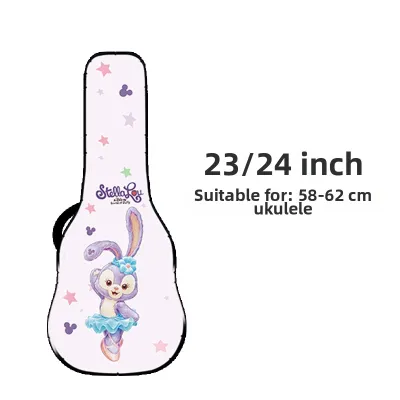
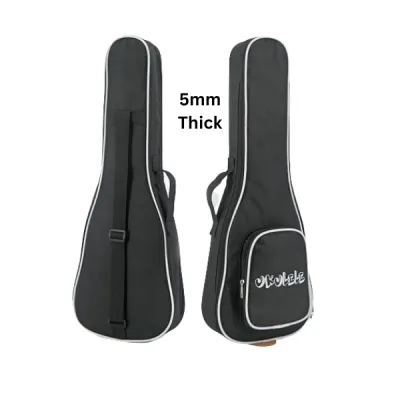
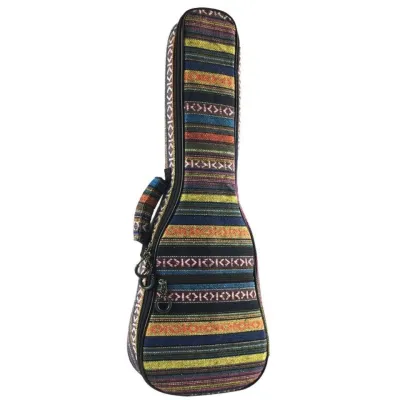
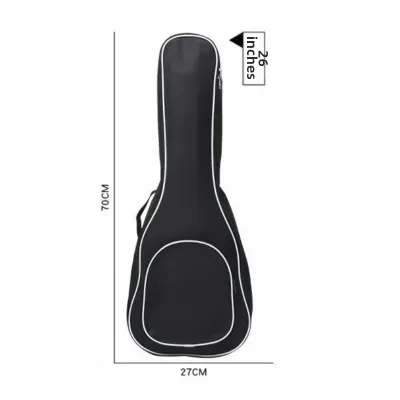
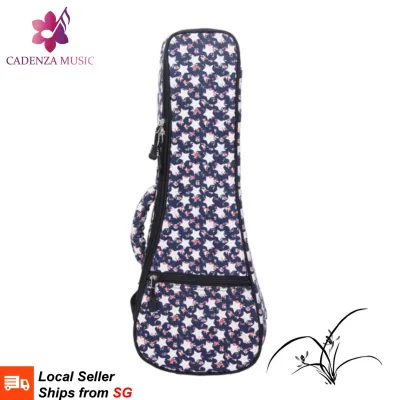
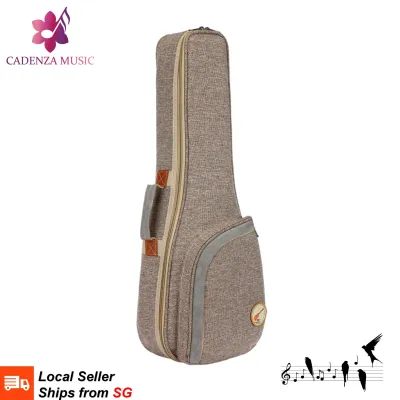
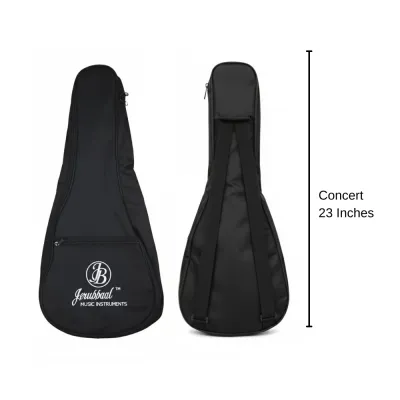
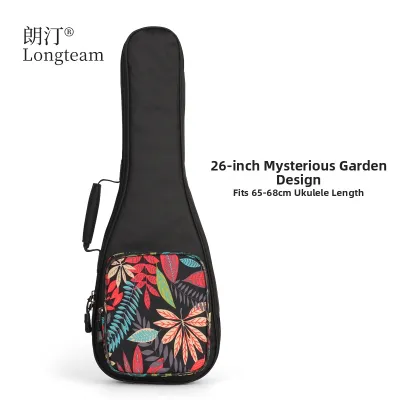
Prices are valid at publication and may change. Please refer to the product page for the latest price.
For those who regularly attend jam sessions, community classes, or outdoor gatherings, the physical demands of transit dictate your choice. If your instrument rarely leaves your bedroom, a lightweight cover may suffice. However, active players must weigh the convenience of a soft bag against the structural security of a solid shell.
Padded Gig Bags: Portability and Everyday Use
Padded gig bags, often referred to simply as ukelele bags, excel in convenience and comfort. Their lightweight construction makes them easy to carry over long distances, especially when equipped with adjustable backpack straps. This hands-free design is highly practical for musicians who commute by bicycle, motorcycle, or public transit.

Most gig bags feature external zippered pockets that provide highly practical storage. These compartments are highly suitable for keeping essential accessories like clip-on tuners, spare nylon strings, capos, chord charts, and cleaning cloths organized. Having all your gear in one place eliminates the need to carry an extra accessory pouch.
In terms of protection, a quality gig bag with dense foam padding easily wards off minor scuffs, scratches, and light impacts. It acts as an effective barrier against dust and light moisture when walking between venues. This level of defense is usually sufficient for laminated wood or plastic ukuleles, which are naturally more resilient to environmental changes.
However, soft bags have clear structural limitations. They offer virtually no crush resistance, meaning they cannot protect your instrument if someone accidentally steps on it or if heavy luggage is stacked on top of it. If a gig bag is dropped from a significant height, the flexible sides compress, transferring the impact directly to the ukulele’s delicate wooden body or neck.
Hard Cases: Maximum Protection for High-Risk Scenarios
Hard cases provide a robust physical shield for your instrument. Constructed with rigid outer shells made of plywood wrapped in vinyl, heavy-duty ABS plastic, or lightweight fiberglass, these cases are designed to withstand significant external pressure. They do not compress under weight, making them ideal for stacking in car boots or storage closets.
Inside a hard case, you will find a molded interior lined with soft plush fabric. This design includes a dedicated neck cradle that suspends the headstock and prevents the neck from snapping during a fall. It also ensures there is adequate clearance for the bridge and tuning pegs, preventing detuning or physical damage to these delicate components.
The primary trade-off for this level of security is weight and bulk. Hard cases are significantly heavier than gig bags and usually feature only a single suitcase-style handle, which eliminates hands-free carrying. They also lack large external pockets, forcing you to store accessories in a small internal compartment or carry them separately.
Furthermore, a hard case represents a larger physical footprint in your home. If you live in a cozy apartment where storage space is at a premium, storing multiple rigid cases can become a challenge. However, for high-value or solid-wood instruments, the peace of mind they offer is often worth the extra space.
Feature-by-Feature Comparison Matrix
To help you quickly evaluate your options, the table below compares the key characteristics of padded gig bags and hard cases using relative descriptors.
| Feature | Padded Gig Bag | Hard Case |
|---|---|---|
| Protection Level | Moderate (scratches and minor bumps) | High (crush resistance and drops) |
| Weight | Very lightweight | Heavy and bulky |
| Storage Capacity | High (large external pockets) | Low (small internal compartment) |
| Portability | High (backpack straps, hands-free) | Moderate (hand-carry only) |
| Best Use Case | Daily commuting, casual local play | Touring, air travel, long-term storage |
How to Verify Fit and Internal Support
Regardless of the style you choose, a case only protects your ukulele if it fits correctly. Ukuleles come in four primary sizes: soprano, concert, tenor, and baritone. Always verify that the bag or case matches your specific instrument size, as a soprano ukulele will slide around dangerously inside a tenor case.
When placing your instrument inside, check for a snug fit. There should be minimal lateral movement when you gently shake the closed case. If the ukulele shifts inside, the constant friction can wear down the finish, and sudden movements can put unnecessary stress on the neck joint.
Pay close attention to clearance areas. Ensure the lid does not press down hard on the bridge or the tuning pegs when closed. If your ukulele has an onboard pickup system with an external jack or side-mounted preamp, verify that the case interior accommodates these extra dimensions without pinching.
Finally, inspect the quality of the zippers or latches. On a gig bag, heavy-duty metal zippers with smooth action prevent accidental opening. On a hard case, sturdy drawbolt latches should snap shut securely, ensuring the lid remains tightly closed during transit.
Making the Final Decision: Which Case Fits Your Lifestyle?
Choose a padded gig bag if your primary concern is easy, lightweight transport for local rehearsals, casual beach gatherings, or lessons. If you commute on foot or public transit and need to keep your hands free, the convenience of backpack straps and accessory pockets makes a high-quality padded bag the practical choice.
Choose a hard case if you frequently travel by car with a boot full of gear, store your instrument in high-traffic areas, or own a high-value solid wood ukulele. The rigid structure is necessary whenever there is a risk of other items falling onto or compressing the case.
Verify first if your instrument has non-standard dimensions, such as an extended neck, a cutaway body, or a wider headstock. Always measure your ukulele’s total length, upper bout, lower bout, and depth before purchasing to ensure a secure fit.
Frequently Asked Questions (FAQ)
Can I use a gig bag for air travel?
Using a soft gig bag for air travel is highly risky. While you can sometimes bring a gig bag into the cabin as a personal item, airline cabin space is never guaranteed. If flight attendants require you to gate-check your instrument, a soft bag will be placed in the cargo hold with heavy luggage, which significantly increases the risk of damage. Always check your airline’s specific carry-on dimensions and use a hard case if there is any chance your instrument might be checked.
Do hard cases protect against humidity changes?
Standard hard cases are not completely airtight, meaning they cannot fully block humidity fluctuations on their own. In tropical climates with high humidity or in air-conditioned rooms that dry out the air, wood can warp or crack. To protect a solid wood ukulele, you should place a dedicated instrument humidifier or dehumidifier pack inside the hard case and monitor the levels with a small digital hygrometer.
Community discussion
Share your experience or ask a question. Comments are reviewed before publication.