
Quick Answer: Selecting the Right Ukulele Bag Case for Your Needs
When you first start playing, choosing the right ukulele bag case setup is one of the most important decisions you will make to protect your new instrument. For most beginners, a soft gig bag is the most practical choice if you are on a budget, play mostly at home, or only need to carry your instrument over short, low-risk distances. A gig bag provides basic scratch protection and is incredibly easy to carry on your back.
Conversely, a rigid hard case is the superior choice if you plan to commute on crowded public transport, travel by air, or own a solid-wood ukulele that requires a controlled environment. Hard cases offer robust crush resistance and create a tight seal that helps manage humidity levels.
Ultimately, the best option depends on your daily routine, how you travel, and the physical construction of your ukulele. By matching your protective gear to your lifestyle, you can ensure your instrument remains safe, in tune, and ready to play.
Products mentioned in this guide
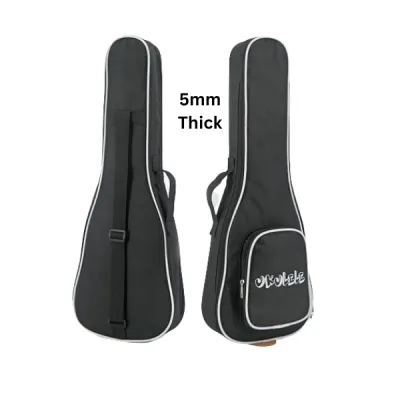
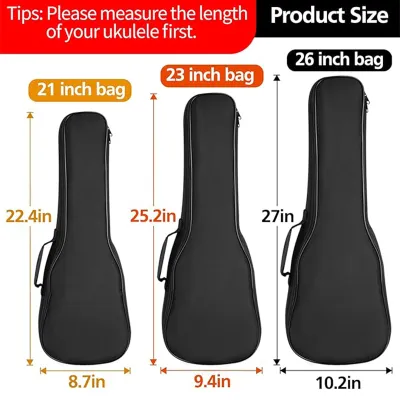
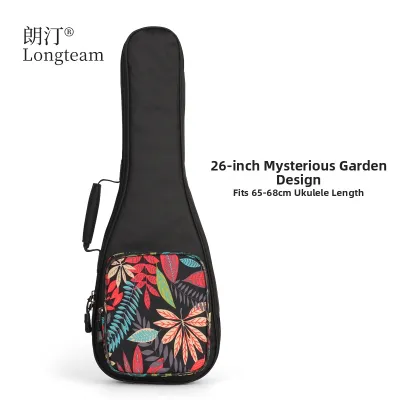
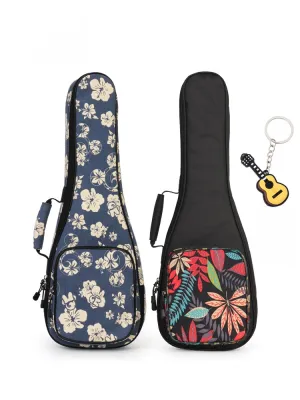
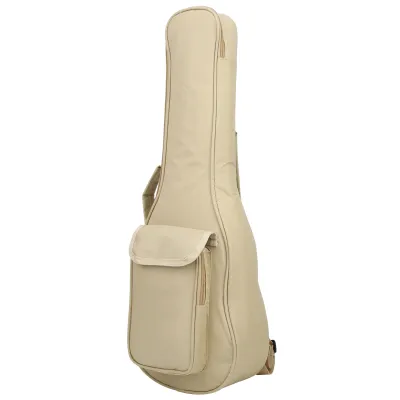
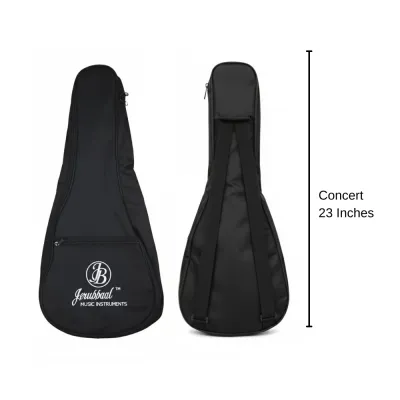
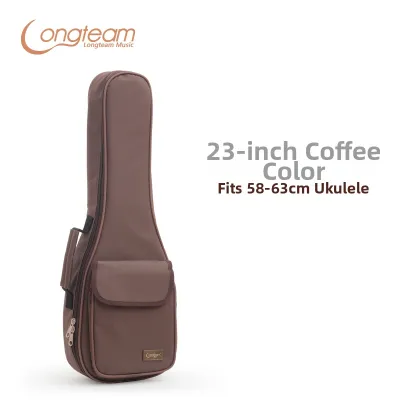
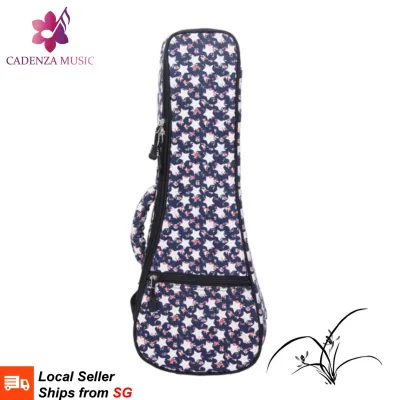
Prices are valid at publication and may change. Please refer to the product page for the latest price.
Understanding the Core Differences of a Ukulele Bag or Case
To make an informed decision, it is essential to understand how these two protective options are constructed and what roles they are designed to play. A soft gig bag is a flexible, lightweight cover typically sewn from heavy-duty synthetic fabrics such as woven nylon or polyester. Inside, these bags feature a layer of foam padding that ranges from a very thin 5mm layer on entry-level models to 20mm or more of high-density foam on premium bags. This padding acts as a cushion, absorbing minor shocks and protecting the instrument’s finish from scratches, dust, and light rain.

In contrast, a hard case is a rigid, non-pliable enclosure designed to withstand significant external forces. The outer shell is usually constructed from laminated plywood wrapped in a protective vinyl layer, molded ABS plastic, or lightweight fiberglass. The interior is lined with a dense, form-fitting foam or polystyrene core covered in a plush, non-abrasive fabric like velvet. This rigid design ensures that any external pressure or impact is absorbed by the outer shell rather than being transferred to the delicate wooden body of the ukulele.
The fundamental trade-off between these two options is convenience and weight versus absolute physical protection. A gig bag is designed for the active player who needs to move quickly and comfortably, while a hard case is built for maximum security in unpredictable or high-risk environments.
Key Trade-Offs: Protection, Portability, and Storage
Protection and Impact Resistance
When evaluating protection, a hard case is the undisputed champion against crushing forces. If a heavy object is accidentally placed on top of a hard case, or if the case is dropped from a significant height, the rigid outer shell maintains its structure, keeping the ukulele completely safe inside. This structural integrity is particularly vital for protecting the thin top soundboard and the delicate neck joint of the instrument, which are highly susceptible to cracking under pressure.
A soft gig bag, while excellent for absorbing minor everyday bumps, offers virtually no defense against crushing forces. If someone steps on a gig bag or if it gets squeezed in a tight space, the flexible fabric and foam will compress, transferring the force directly to the instrument. While a gig bag will easily protect your ukulele from minor scuffs when you set it down on a table or lean it against a wall, it cannot safeguard against major impacts or heavy loads.
Another critical aspect of protection is internal neck support and headstock suspension. High-quality hard cases and premium gig bags feature a dedicated neck cradle, often with a velcro strap, to lock the instrument in place. This prevents the ukulele from shifting vertically or horizontally, ensuring that the tuning pegs do not press against the interior walls. Proper suspension of the headstock is vital, as a sudden impact to an unsecured headstock can snap the neck of the ukulele.
Portability, Weight, and Comfort
Portability is the primary reason many beginners prefer a soft gig bag. These bags are incredibly lightweight, often weighing less than half a kilogram, which adds virtually no extra burden to your load. Furthermore, almost all gig bags come equipped with adjustable, padded backpack straps, allowing you to carry your instrument comfortably on your back. This hands-free carrying style is incredibly convenient if you walk, ride a bicycle, or need to carry other bags, such as a school backpack or groceries.
Hard cases, on the other hand, are significantly heavier and bulkier. A wooden hardshell case can easily weigh between two and three kilograms on its own, making the overall package much heavier to carry. Additionally, hard cases typically rely on a single, molded side handle, which requires you to carry the instrument like a briefcase. Over long distances, this one-handed carry can lead to arm and finger fatigue, and it keeps one of your hands permanently occupied.
While some modern fiberglass or ABS hard cases feature metal D-rings that allow you to attach a single shoulder strap, they still lack the balanced, ergonomic comfort of dual backpack straps. If your daily routine involves long walks or navigating tight spaces, the bulk and weight of a hard case can quickly become a hassle, making the lightweight gig bag a much more appealing option for daily use.
Storage Space and Accessories
For beginners, having a convenient place to store essential accessories is a major practical consideration. Gig bags excel in this department, as their flexible fabric construction allows manufacturers to sew large, zippered pockets onto the exterior. These pockets are often spacious enough to hold physical music books, chord charts, a tablet, clip-on tuners, spare strings, capos, and cleaning cloths, keeping all your gear organized in a single, self-contained bag.
Hard cases offer very limited storage capacity due to their rigid, form-fitting design. Because the interior is molded tightly to the contours of the ukulele to prevent movement, there is no extra space inside the main chamber. Instead, hard cases are limited to a small, lidded accessory compartment located directly beneath the neck support cradle. This compartment is usually only large enough to hold a tuner, a capo, and a spare set of strings, forcing you to carry music books, tablets, and larger items in a separate backpack or tote bag.
If you value having all your learning materials and accessories in one place, a gig bag is far more convenient. If you choose a hard case, you must accept the trade-off of carrying an additional bag for your sheet music and larger accessories whenever you travel to a lesson or a jam session.
Budget and Long-Term Value
Budget is a key factor for most beginners who are still deciding if the ukulele is an instrument they will stick with long-term. Soft gig bags are highly economical, with basic padded options starting at very affordable price points, often around S$20 to S$40. In fact, many entry-level ukuleles are sold as starter bundles that include a simple gig bag for free, making it an incredibly cost-effective way to get started without any additional financial outlay.
Hard cases require a much higher upfront investment, typically ranging from S$70 to over S$150 depending on the materials and brand. For a beginner who has spent S$100 on their first ukulele, spending an equivalent amount on a hard case might seem impractical. However, a high-quality hard case offers exceptional long-term value, as it is highly durable and will easily outlast multiple budget instruments.
If you eventually decide to upgrade to a premium, solid-wood ukulele, your hard case will continue to provide the necessary protection and environmental control for your new investment. Viewing a hard case as a long-term piece of gear rather than a temporary accessory can help justify the higher initial cost, especially if you plan to continue playing for years to come.
Matching the Case to Your Daily Routine and Environment
Choosing the right protection is not just about comparing specifications; it is about matching the bag or case to your daily lifestyle and the specific environment you live in.
- At-home and casual local jams: If your ukulele rarely leaves your home, or only travels occasionally to a friend's house down the street, a standard padded gig bag is perfectly sufficient. At home, the primary threats to your instrument are dust, pet hair, and minor bumps from being knocked over. A gig bag keeps the instrument clean and cushioned while taking up minimal storage space in your closet or room.
- Commuting via public transit: If you commute regularly on public transport, the physical demands on your gear increase dramatically. Navigating crowded MRT trains and public buses in Singapore during peak hours exposes your instrument to accidental bumps, elbow jostles, and heavy backpacks pressing against you in tight spaces. In these crowded environments, a soft gig bag offers very little protection against a sudden squeeze, making a rigid hard case or a highly structured, reinforced hybrid bag a much safer choice to prevent structural damage.
- Air travel: For those who plan to travel by air with their ukulele, a hard case is highly recommended. If you are forced to check your instrument due to cabin space limitations, a flight-rated hard case is absolutely mandatory to protect it from the rough handling of baggage systems. Even if you manage to bring your ukulele into the cabin as a carry-on, storing it in a soft gig bag in the overhead bin leaves it vulnerable to other passengers shoving heavy suitcases against it, whereas a hard case ensures peace of mind.
- Climate and humidity control: Singapore's tropical climate presents unique challenges for musical instruments due to its consistently high humidity levels, which often hover around 80% or higher. However, many homes and classrooms rely heavily on air conditioning, which strips moisture from the air and creates a dry indoor environment. Moving your ukulele frequently between hot, humid outdoor air and cool, dry air-conditioned rooms causes the wood to expand and contract rapidly, putting immense stress on the joints and glue.
- Creating a stable microclimate: For solid-wood ukuleles, this constant environmental shifting can lead to warping, cracking, or the bridge lifting off the soundboard. Hard cases are far superior at environmental isolation because they feature tight tongue-and-groove or rubber seals that restrict airflow. This tight seal allows you to use two-way humidity control packets or silica gel inside the case to maintain a stable, safe relative humidity level (ideally between 45% and 55%), protecting your instrument from the damaging effects of thermal and moisture shock.
What to Verify Before You Buy
Before making your final purchase, it is crucial to verify several key specifications to ensure that your chosen bag or case fits your specific ukulele perfectly and meets quality standards.
- Size matching: Ukuleles come in four primary sizes: soprano, concert, tenor, and baritone, each with different body shapes and neck lengths. Never buy a bag or case based solely on the generic size label, as dimensions can vary significantly between brands. Always measure your instrument's total length, upper bout width, lower bout width, and body depth, and compare these measurements directly against the internal dimensions provided by the case manufacturer. A loose fit will allow the instrument to slide around and suffer impact damage, while a tight fit can put dangerous pressure on the bridge and neck.
- Interior clearance: Pay close attention to the headstock area and ensure there is adequate clearance for the tuning pegs. The pegs should not press tightly against the interior walls of the case or bag, as this constant pressure can easily detune your instrument and put unnecessary stress on the headstock joint. A well-designed case will have a recessed area or sufficient width around the headstock to allow the tuning gears to sit freely without contact.
- Lining quality: Inspect the interior lining of the case or bag to ensure it is soft, plush, and completely non-abrasive. A rough or scratchy lining can quickly wear down your ukulele's finish, especially if the instrument has a delicate satin or high-gloss lacquer coating. Run your fingers along the seams to check for any exposed glue, rough staples, or loose threads that could catch on the wood, tuning keys, or strings.
- Hardware check: For hard cases, test all the latches, hinges, and the handle to ensure they are robust and function smoothly. The latches should snap shut securely with a reassuring click, and the handle should be securely bolted or heavily riveted to the frame rather than simply glued. For gig bags, inspect the quality of the zippers, looking for thick, heavy-duty nylon zippers (such as YKK) that slide easily without catching, and check that the stitching where the backpack straps meet the bag is heavily reinforced with cross-stitching to prevent tearing under weight.
Frequently Asked Questions (FAQ)
Can I use a guitar bag for my ukulele?
Using a guitar bag for a ukulele is highly discouraged because a guitar bag is far too large for the smaller instrument. When a ukulele is placed inside a giant guitar bag, it will slide around violently with every step you take, leading to potential impact damage to the delicate neck, bridge, and finish. Furthermore, the neck support cradle in a guitar bag is positioned for a much longer neck, meaning it will offer absolutely no support to your ukulele. To keep your instrument safe and secure, you should always purchase a bag or case that is sized specifically for your ukulele’s scale length.
Do I need a humidifier for my ukulele case?
Whether you need a humidifier depends entirely on the materials your ukulele is made from and the environment you store it in. If your ukulele is made of laminate wood (which is common for entry-level instruments), it is highly resistant to temperature and humidity changes and rarely requires active humidification. However, if you own a solid-wood or solid-top ukulele, it is highly sensitive to dry air, particularly if you store it in heavily air-conditioned rooms. Because soft gig bags are made of breathable fabric, they cannot trap moisture; a hard case with a tight seal is essential if you need to use a humidifier to maintain a stable microclimate for a solid-wood instrument.
Are hybrid (semi-hard) cases a good middle ground?
Hybrid cases, often featuring a rigid ethylene-vinyl acetate (EVA) foam shell covered in durable nylon fabric, represent an excellent middle ground for many players. They offer significantly more crush protection and structural rigidity than a standard soft gig bag, yet they remain much lighter and easier to carry than a traditional plywood hard case. Many hybrid cases also feature comfortable backpack straps, giving you the portability of a gig bag with much of the security of a hard case. However, they are typically bulkier than gig bags, lack the absolute heavy-duty impact protection of a premium hardshell case, and often feature smaller accessory pockets than standard soft bags.
Community discussion
Share your experience or ask a question. Comments are reviewed before publication.