
The Book of Three Lives (三世书) is a traditional Eastern text that explores the profound connections between past actions, present circumstances, and future outcomes. While historically associated with divination, its core value for modern readers lies not in predicting a fixed destiny, but in offering a structured framework for deep self-reflection. By understanding the principles of cause and effect, you can gain valuable insights into your behavioral patterns and learn to navigate life’s challenges with greater awareness.
Approaching this ancient text as a philosophical guide allows you to shift your perspective from passive acceptance to active personal growth. It encourages you to examine how your previous choices have shaped your current reality, while reminding you that your current actions are actively constructing your future. This guide explores the origins of this influential text and outlines practical ways to integrate its teachings into your daily mindfulness and self-improvement routines.
Origins and Core Philosophy of the Book of Three Lives
Historically, the Book of Three Lives is rooted in ancient Chinese cosmological systems, heavily influenced by Buddhist and Taoist philosophies. The text synthesizes the concept of karma—the universal law of cause and effect—with traditional views on time and moral accountability. Rather than viewing existence as a series of random events, this philosophy posits that every action leaves an imprint, creating a continuous cycle of consequences that spans across different phases of life.
Products mentioned in this guide

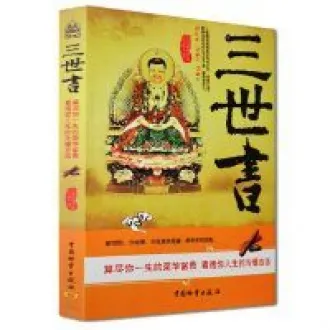
Prices are valid at publication and may change. Please refer to the product page for the latest price.
In this traditional framework, the “three lives” represent the past, the present, and the future. This concept does not have to be interpreted literally as reincarnation; instead, it can be understood as a symbolic representation of time as an unbroken thread. The circumstances you find yourself in today are viewed as the harvest of seeds sown in the past, while the choices you make in this very moment are the seeds of your future experiences.
This philosophical foundation places a strong emphasis on personal responsibility. It suggests that while you may not have control over the initial conditions of your life, you possess complete agency over how you respond to them. Understanding this cycle of moral accountability is the first step toward using the text as a tool for self-realization rather than mere curiosity.
To study these concepts effectively, it is important to seek out well-translated or annotated editions. Many modern versions available on online marketplaces or in local bookstores are heavily simplified, focusing almost entirely on quick divination tables. A high-quality edition that includes historical context, philosophical commentary, and clear explanations of classical terms will provide the necessary depth for genuine self-reflection.
Using the Three Lives Framework for Meaningful Self-Reflection
To transform the abstract concepts of the Book of Three Lives into practical tools for personal growth, you can reframe its terminology through a modern psychological lens. For example, “past lives” can be understood as your personal history, including childhood conditioning, family dynamics, and past decisions. These early experiences shape your subconscious mind, creating ingrained habits and automatic reactions that dictate how you navigate the world today.

When you encounter recurring obstacles in your career or relationships, the three-lives framework encourages you to trace these issues back to their origins. Instead of viewing a difficult situation as bad luck, you can ask yourself what past behaviors or limiting beliefs might have contributed to this outcome. This process of tracing effects back to their causes is a powerful way to break free from unconscious, repetitive cycles.
Similarly, the concept of “future lives” can be used as a visualization tool for long-term planning. By viewing your future self as a distinct individual who will inherit the consequences of your current lifestyle, you can cultivate greater empathy for your future well-being. This perspective makes it easier to resist immediate gratification in favor of choices that support your long-term health, financial stability, and personal development.
Ultimately, this approach shifts your mindset away from fatalism. Traditional divination can sometimes foster a passive attitude, leading people to believe their lives are entirely predetermined. Reframing the text’s teachings emphasizes that the present moment is the only place where change can occur, restoring your sense of personal agency and empowering you to actively shape your path forward.
Practical Exercises to Integrate Its Teachings into Daily Life
Integrating the wisdom of the Book of Three Lives into your daily routine requires structured, actionable practices. Journaling is an excellent starting point for exploring these concepts. You can dedicate a section of your journal to tracing current challenges to their root causes, asking yourself how your past choices, reactions, or avoidance patterns have influenced your current circumstances.
Mindfulness practices are also essential for anchoring yourself in the present moment, which the text identifies as the critical bridge between past and future. When you feel a strong emotional reaction or an automatic habit taking over, practice pausing for a few moments. This brief pause creates a space of conscious awareness, allowing you to choose a constructive response rather than repeating a historical pattern.
Additionally, you can establish a long-term decision-making framework for major life choices. Before committing to a significant path—such as a career change or a major financial investment—evaluate the decision through three distinct lenses: its immediate impact, its alignment with your goals over the next five years, and the lasting foundation it builds for your future self. This structured evaluation helps ensure that your present actions are aligned with the future you wish to create.
Limitations, Misconceptions, and Reading Expectations
While the Book of Three Lives offers valuable philosophical insights, it is crucial to approach it with realistic expectations and clear boundaries. A common misconception is treating the text as a literal, deterministic fortune-telling manual that can predict exact life events or financial success. Relying on it in this manner can lead to anxiety, passivity, and a lack of personal initiative.
Adopting a fatalistic mindset—believing that your destiny is entirely written in stone and that your efforts do not matter—directly contradicts the deeper, proactive teachings of cause and effect. The true value of the text lies in cultivating self-awareness and personal responsibility, not in seeking external predictions or escaping the effort required to improve your life.
Furthermore, this philosophical framework should be viewed as a supplementary tool for personal reflection and mindfulness. It is not a substitute for professional psychological counseling, therapy, or medical advice. If you are dealing with deep-seated emotional challenges, trauma, or mental health concerns, seeking guidance from a qualified professional is always the most appropriate and responsible course of action.
Frequently Asked Questions (FAQ)
Is the Book of Three Lives primarily a religious text or a self-help guide?
Historically, the text is deeply intertwined with Buddhist and Taoist religious traditions, particularly regarding the concepts of karma and rebirth. However, modern readers do not need to adhere to these specific religious beliefs to benefit from it. When approached secularly, its core teachings function as a practical psychological framework for understanding personal accountability, habit formation, and the long-term consequences of human behavior.
How should I choose a translated or modern edition for self-reflection?
When selecting an edition, look for books that prioritize philosophical commentary and historical context over simplistic divination tables. A high-quality edition will typically feature detailed translator notes, explanations of classical Chinese terms, and essays that connect the ancient concepts to modern psychological or philosophical themes. Avoid heavily abridged versions that focus solely on quick predictions, as they often omit the ethical and reflective foundations of the text.
Community discussion
Share your experience or ask a question. Comments are reviewed before publication.