
The PX2231 language learning resource is a structured educational package designed to help learners acquire new language skills through a systematic curriculum. Depending on the specific edition and bundle you select, this resource typically combines physical print materials with digital or audio components to support self-study or classroom instruction. Before making a purchase, it is essential to understand exactly what is included in the package, the proficiency level it targets, and the technical requirements for its digital features to ensure it aligns with your learning goals.
Core Specifications and Included Components
When purchasing the PX2231 resource, the first step is to verify the exact physical and digital components included in your specific package. Publishers often distribute this resource in multiple formats, ranging from standalone physical textbooks to comprehensive multimedia bundles. You should carefully inspect the product label, publisher’s catalog, or official retail listing to confirm whether the package contains physical workbooks, supplementary readers, audio CDs, or digital access cards.
It is equally important to verify the target language, specific dialect, and publication year of the edition you are considering. Language curricula are frequently updated to reflect modern usage, and buying an outdated version may leave you with obsolete exercises or incompatible audio files. Additionally, check the total number of volumes or modules included in the base package, as some listings may only offer introductory modules while requiring separate purchases for advanced levels.
Products mentioned in this guide
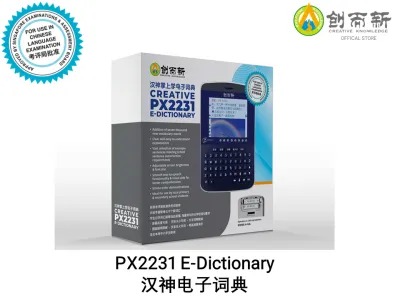
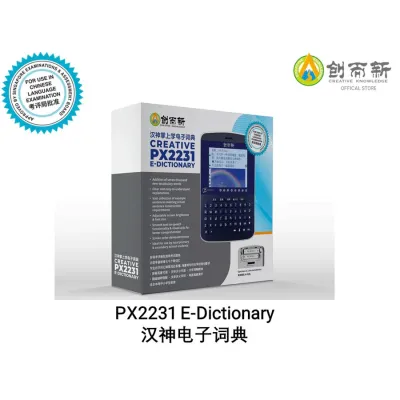
Prices are valid at publication and may change. Please refer to the product page for the latest price.
Learning Objectives and Target Proficiency
To determine if the PX2231 curriculum fits your educational path, you must evaluate its target proficiency level and learning objectives. Most structured language resources align with international standards, such as the Common European Framework of Reference for Languages (CEFR) ranging from A1 (beginner) to B2 (intermediate). Reviewing the syllabus or table of contents will help you identify where the material starts and where it expects to take you by the end of the course.

You should also assess the specific language skills the resource emphasizes. Some editions of PX2231 may focus heavily on conversational fluency and listening comprehension, while others prioritize formal grammar, reading literacy, or standardized exam preparation. Identifying your personal goals—whether you are learning for travel, business, or academic certification—will help you decide if the curriculum’s focus matches your needs and prevents you from buying material that is either too elementary or overly complex.
Device Compatibility and Digital Access Requirements
Many modern language resources rely on digital platforms to deliver audio tracks, interactive quizzes, and pronunciation guides. Before purchasing the PX2231 package, check the system requirements for any companion applications, web portals, or software suites associated with the course. Ensure your smartphone, tablet, or computer meets the operating system and hardware specifications required to run these digital tools smoothly.
Furthermore, pay close attention to the terms governing any included digital access codes. These codes are frequently single-use and tied to a specific user account, meaning secondhand copies of the book will likely require you to purchase a separate digital license. You should also verify if the access is time-limited (such as a 12-month subscription) or restricted to specific geographic regions, and confirm whether the platform allows offline study or requires a continuous internet connection.
Pre-Purchase Verification Checklist
Before finalizing your purchase, complete a thorough verification check to ensure you are receiving an authentic and complete set. Cross-reference the International Standard Book Number (ISBN) or the unique product code listed by the seller with the publisher’s official catalog. This step helps you avoid counterfeit prints, unauthorized reproductions, or older editions that may no longer be supported by the publisher’s online learning platforms.
Additionally, verify the seller’s authorization status and review their return policy carefully. Many retailers do not accept returns on shrink-wrapped media or books containing digital access codes once the packaging has been opened. Finally, compare the listed S$ price against the publisher’s suggested retail price; an unusually low price in Singapore marketplaces often indicates a missing digital code, a partial volume set, or an unauthorized copy.
Frequently Asked Questions (FAQ)
How can I verify if my PX2231 package includes the latest edition?
To confirm you have the most recent edition of the PX2231 resource, locate the publication date, edition number, and printing history on the copyright page, which is typically found within the first few pages of the book. You can then cross-reference these details with the publisher’s official website. Publishers often maintain an active list of current editions, syllabus updates, and errata sheets to help learners verify their materials.
What should I do if the digital access code in the PX2231 set is invalid?
If your digital access code does not work, first double-check your entry for common typographical errors, such as confusing the letter ‘O’ with the number ‘0’ or the letter ‘I’ with the number ‘1’. If the code still fails, contact the publisher’s technical support team or the authorized retailer from whom you purchased the set. You will typically need to provide your proof of purchase, the ISBN of the book, and a photograph of the invalid code card to receive a replacement.

Community discussion
Share your experience or ask a question. Comments are reviewed before publication.