
The choice between vinyl and CD for classical music depends on whether you prioritize the wide, silent dynamic range of digital playback or the tactile, historically authentic mastering of analog pressings. While CDs offer technical precision that easily handles the whisper-quiet pianissimos and thunderous fortissimos of orchestral works, vinyl provides a distinct listening ritual and access to classic, warm analog masterings. There is no single superior format; the right choice depends on your playback equipment, listening environment, and whether you prioritize analog mastering characteristics or digital precision. This guide breaks down the technical and practical trade-offs to help you build a classical music collection that fits your setup.
Sound Quality and Dynamic Range in Classical Recordings
Classical music is defined by its extreme contrasts. A single symphony can transition from a barely audible solo flute to a massive, full-orchestra climax. To capture these transitions accurately, a playback medium must possess a wide dynamic range, which is the difference between the quietest and loudest sounds it can reproduce.
Digital CDs offer a theoretical dynamic range of 96 decibels (dB). This wide range allows classical recordings to preserve the natural volume differences between quiet and loud passages without introducing background hiss. During quiet solo passages, the background remains completely silent, allowing the listener to focus entirely on the performance.
Products mentioned in this guide
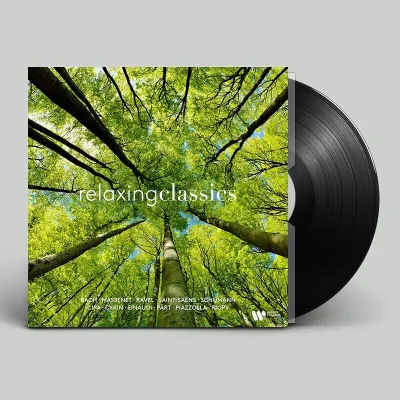

Prices are valid at publication and may change. Please refer to the product page for the latest price.
Analog vinyl records are physically limited to a dynamic range of around 60 to 70 dB under optimal conditions. To fit a highly dynamic orchestral piece onto a vinyl groove, mastering engineers often must apply dynamic compression or limit low-frequency peaks to prevent the stylus from jumping out of the groove. This compression can sometimes make the loudest orchestral climaxes sound slightly congested or less impactful compared to their digital counterparts.
However, the theoretical advantage of digital does not always translate to a better listening experience. During the transition to digital, some early CD releases suffered from harsh transfers, while later releases sometimes fell victim to excessive volume boosting, commonly known as the loudness wars. These digital mastering choices can strip away the natural dynamics of a classical performance, making the music sound fatiguing over long listening sessions.
Conversely, many classical vinyl pressings preserve the original analog master tapes with great care. To find the best sound, collectors should research the mastering credits on the sleeve, looking for reputable engineers and historical mastering houses. A well-mastered vinyl record, played on a high-quality turntable, can offer a sense of warmth, depth, and spatial realism that some listeners find more emotionally engaging than digital playback.
Ultimately, the final sound quality is highly dependent on your playback chain. A budget turntable with a worn stylus will struggle with complex orchestral passages, whereas a high-end digital-to-analog converter (DAC) can make a CD sound incredibly lifelike and spacious. Evaluating your current audio equipment is an essential step before committing to either format.
Physical Convenience, Storage, and Playback
Building a physical classical music library requires a realistic assessment of your living space. Vinyl records, with their 12-inch jackets, require sturdy, deep shelving and carry significant weight when stored in large quantities. If you live in a compact home, such as a typical apartment in Singapore, managing a large vinyl collection can quickly become a spatial challenge.

Compact discs offer a much smaller physical footprint. Standard jewel cases or slim digipaks fit easily onto shallow shelves, making them highly suitable for apartments or dedicated listening corners where space is limited. You can store hundreds of CDs in the same space that would accommodate only a few dozen vinyl records.
The playback ritual also shapes the daily listening experience. Listening to a full symphony on vinyl requires you to stand up, flip the record, and carefully lower the tonearm every 20 to 25 minutes, which can interrupt the narrative flow of longer works. This manual process requires active engagement and a dedicated listening environment free from sudden vibrations.
CDs provide uninterrupted playback for up to 80 minutes. This continuous play is highly beneficial for opera or multi-movement symphonies, allowing you to immerse yourself in the performance without physical interruptions. It also allows for easy track skipping, which is convenient when you want to study a specific movement or passage of a piece.
Maintenance routines differ significantly between the two formats. Vinyl records require regular wet-cleaning, anti-static brushing, and careful stylus maintenance to prevent dust from causing distracting pops and clicks during quiet musical passages. Even a tiny speck of dust can be highly noticeable during a delicate violin solo.
CDs are far more resilient and require minimal upkeep. Keeping them free of deep scratches and wiping away occasional fingerprints with a soft microfiber cloth is generally all that is needed to ensure flawless digital tracking. This low-maintenance nature makes CDs an appealing choice for listeners who prefer a straightforward, hassle-free listening experience.
Collectibility, Pressings, and Edition Verification
Classical music collecting is unique because a single composition, such as Beethoven’s Ninth Symphony, may have dozens of different recordings by various orchestras, conductors, and soloists. Verifying the exact edition is crucial before making a purchase, as different performances of the same piece can vary wildly in tempo, interpretation, and recording quality.
When browsing physical or online marketplaces, check the catalog numbers and record label logos printed on the spine or back cover. This information helps identify whether a release is an original analog pressing, a modern audiophile reissue, or a digital remaster. For vinyl, original pressings from legendary labels like Deutsche Grammophon, Decca, or EMI are highly sought after for their historical value and unique mastering characteristics.
Pay close attention to the conductor, orchestra, and recording date listed in the liner notes. A legendary 1960s recording will sound vastly different from a 1990s digital recording by the same conductor, making precise identification essential. Checking these details ensures you are purchasing the exact performance you desire rather than a lesser-known re-recording.
The tactile experience of classical vinyl is highly valued by collectors. Large gatefold sleeves often feature extensive historical essays, photographs, and detailed analysis of the score that are much easier to read than the scaled-down text in a CD booklet. The artwork itself often serves as a beautiful visual accompaniment to the music.
However, multi-disc CD box sets frequently offer unmatched value for complete works or historical retrospectives. These sets often come with comprehensive booklets containing translations of opera librettos and detailed recording histories. They allow you to acquire a composer’s entire symphonic output in a single, compact package.
Before finalizing your purchase, verify the physical compatibility of the media with your playback system. Ensure your turntable supports the correct playback speed, such as 45 RPM for certain audiophile vinyl pressings, and check that your disc player supports specialized formats like Super Audio CD (SACD) if you are buying high-resolution digital discs.
Decision Framework: Which Format Fits Your Setup?
To determine which format best suits your classical music collection, evaluate your listening habits, budget, and existing audio equipment against these key criteria.
Choose Vinyl if:
- You enjoy the physical ritual of analog playback and appreciate large-scale cover art and historical packaging.
- You prefer the warm, mastered-for-vinyl sound characteristics of mid-century classical recordings.
- You have a high-quality turntable setup capable of tracking complex orchestral passages without distortion.
Choose CD if:
- You want to experience the full, silent dynamic range of classical compositions without background surface noise.
- You prefer uninterrupted listening sessions, especially for long symphonies and multi-act operas.
- You have limited storage space and want a durable, low-maintenance physical format.
Verify first if:
- You are searching for a specific performance, ensuring you confirm the conductor, orchestra, and recording year.
- You check the mastering source to confirm whether a vinyl release was cut from original analog tapes or a digital transfer.
- Your playback equipment is fully compatible with the specific disc or record speed you plan to purchase.
Frequently Asked Questions (FAQ)
Do classical music CDs sound better than vinyl?
Technically, compact discs offer a wider measurable dynamic range and a lower noise floor, which prevents quiet classical passages from being obscured by surface noise. However, some listeners prefer the analog mastering style of vinyl, which can sound smoother and avoid the harshness found in some early digital transfers. The quality of the specific mastering and your playback equipment ultimately determines which format sounds better to your ears.
Are 180-gram vinyl records necessary for classical music?
While 180-gram vinyl records are not strictly necessary, the extra weight provides greater physical stability, reducing warping and turntable resonance. This stability is helpful during quiet classical passages where physical vibrations are easily heard as surface noise. However, a heavy record does not guarantee superior sound; the quality of the original mastering and the precision of the pressing plant are far more important than the weight of the vinyl itself.
Community discussion
Share your experience or ask a question. Comments are reviewed before publication.