
The hair on your violin bow is the physical bridge between your movement and the acoustic voice of your instrument. When you draw the bow across a string, the friction generated by the hair coaxes the string into vibration, producing the sound that fills the room. While it might seem like a simple component, the material composition of your bow hair fundamentally dictates how well the bow grips the string, how effectively it holds rosin, and the ultimate quality of your tone. Choosing between natural horsehair and modern synthetic alternatives is one of the most impactful decisions you can make for your instrument’s playability.
What Is Violin Bow Horse Hair and How Does It Work?
To understand why bow hair matters, it helps to look at its structure under magnification. Natural horsehair is not perfectly smooth; it features microscopic surface structures and scales that run along the shaft. When you apply rosin—a sticky resin made from pine sap—to the bow, these microscopic structures catch and hold the rosin particles.
As you pull the bow across the violin strings, this rosin-coated hair creates a continuous cycle of friction. The hair grips the string, pulling it slightly out of its resting position, and then releases it, causing the string to vibrate. This rapid, microscopic friction is what translates your physical arm movement into a sustained, resonant tone.
Products mentioned in this guide
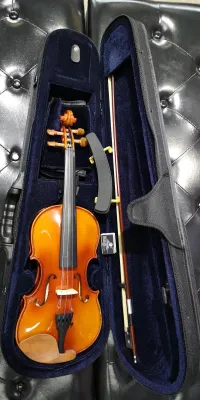
Prices are valid at publication and may change. Please refer to the product page for the latest price.
Because this mechanism relies entirely on physical friction, the condition and quality of the hair are paramount. Over time, the microscopic scales wear down, and the hair loses its ability to hold rosin effectively. When this happens, you will notice a drop in volume, a lack of articulation, and a general loss of control over your sound.
Natural vs. Synthetic Bow Hair: Key Differences
When looking for replacement hair or a new bow, you will generally choose between natural horsehair and synthetic fibers. Each material offers distinct physical properties, maintenance requirements, and playing characteristics. Rather than assuming performance based on marketing terms, it is essential to verify the material specifications provided by the manufacturer or your luthier before making a purchase.

Natural Horsehair (Mongolian and Siberian)
Natural horsehair remains the traditional choice for string players worldwide. Within this category, you will frequently encounter regional classifications such as “Mongolian” or “Siberian” hair. These labels generally refer to the geographic origins of the horses, which directly influence the physical characteristics of the hair. Horses raised in extremely cold climates tend to grow thicker, coarser hair with more pronounced microscopic scales, which many players find provides a stronger grip on the strings.
However, geographic labels alone do not guarantee quality. When selecting natural hair, you should look for specific product descriptions such as “unbleached” and “stallion hair.” Bleaching processes can weaken the hair structure, making it brittle and prone to premature breakage. Stallion hair is often preferred over mare hair because it is less likely to be damaged by urine, resulting in a clean, consistent product. Because natural hair is an organic material, it is subject to natural variations and requires regular maintenance to perform at its best.
Synthetic Bow Hair
Synthetic bow hair has emerged as a highly practical alternative to traditional horsehair. Made from advanced polymer fibers, synthetic hair is engineered for extreme uniformity and high tensile strength. Unlike natural hair, which varies in thickness and quality from strand to strand, synthetic fibers are perfectly consistent throughout the entire hank.
One of the greatest advantages of synthetic hair is its resistance to environmental changes. Natural horsehair is highly sensitive to humidity; it expands in wet weather and contracts in dry conditions. In high-humidity environments like Singapore, natural hair can stretch significantly, sometimes making it difficult to tension the bow properly. Synthetic hair remains completely stable regardless of moisture levels or temperature fluctuations, making it an excellent choice for outdoor performances or humid climates. However, some players note that synthetic fibers may not hold rosin as easily as natural hair, which can slightly limit the tonal complexity and warmth you can achieve.
How Bow Hair Material Affects Tone and Playability
The physical properties of your bow hair directly translate into what you feel in your hands and hear from your instrument. The thickness and texture of the hair determine its “grip” or “bite” on the string. Coarser hair provides a more immediate, aggressive grip, which can make it easier to articulate fast passages and produce a robust, powerful sound. Smoother hair, on the other hand, allows for seamless bow changes and a more velvety, continuous tone.
The material also influences the tonal balance of your violin. While the violin itself and the bow stick are the primary sources of your instrument’s voice, the hair acts as a filter. Natural horsehair tends to produce a warmer, more complex sound with a rich spectrum of overtones. Synthetic hair often yields a brighter, more direct sound with excellent projection, though it may lack some of the subtle tonal nuances that advanced classical players seek.
It is important to remember that these tonal characteristics are tendencies rather than absolute rules. The final sound is a complex interaction between the hair, the flexibility of your bow stick, the type of strings you use, and your personal playing technique. Because every player and instrument combination is unique, testing different hair types on your bow or consulting a professional luthier is the best way to find the perfect match for your setup.
Choosing the Right Bow Hair for Your Needs
Selecting the right bow hair depends on your skill level, playing environment, and maintenance preferences. If you are an advanced student or a professional player seeking maximum tonal nuance, dynamic range, and warmth, high-grade natural horsehair remains the gold standard. The organic texture allows for a level of expressive control that synthetic alternatives are still striving to match.
Conversely, synthetic hair is highly recommended for beginners, students, and musicians who frequently play outdoors or live in humid regions. Its durability and stability mean you will spend less time adjusting your bow tension and more time practicing. It is also an excellent, cost-effective option for spare bows or for players who prefer animal-free products.
When purchasing new bow hair or selecting a rehairing service, always perform a few basic quality checks. Inspect the hair for color consistency; natural unbleached hair should have a warm, slightly off-white hue rather than a stark, chemically bleached white. Check that the strands are of even length and free from kinks or noticeable thin spots. To ensure you are getting genuine, high-quality materials, always purchase from reputable specialty music shops or authorized online retailers that provide clear, detailed material specifications.
Maintenance and When to Rehair Your Bow
Proper daily care will significantly extend the lifespan of your bow hair and maintain its playing qualities. Always apply rosin evenly along the length of the hair, avoiding excessive buildup near the frog or tip. After every playing session, use a soft, dry microfiber cloth to gently wipe away excess rosin dust from the bow stick and the strings. Most importantly, always loosen the tension of your bow hair before putting it back in its case; leaving the hair under tension can warp the bow stick and permanently stretch the hair.
Even with meticulous care, bow hair eventually wears out and must be replaced. You should look out for several clear indicators that it is time for a rehair. If you experience excessive hair breakage, or if the bow constantly slips across the strings despite applying fresh rosin, the hair has likely lost its grip. Visible dirt, oils from your fingers near the frog, or hair that has stretched so much that the screw can no longer tension it properly are also clear signs that a replacement is necessary.
Because rehairing is a delicate process that requires precise tensioning and handling of the fragile bow tip and frog, you should always have this service performed by a qualified luthier. Attempting to rehair a bow yourself can easily lead to cracked wood or damaged fittings, resulting in costly repairs.
Frequently Asked Questions (FAQ)
Does the color of the horsehair affect the sound?
Yes, the color of natural horsehair corresponds to different physical characteristics that affect playability. White horsehair is the standard choice for violin and viola bows because it is finer and smoother, offering a balanced grip that produces a sweet, clear, and refined tone. Black horsehair is significantly coarser and thicker, providing a much more aggressive bite on the strings. While black hair is occasionally used by violinists seeking a very powerful, gritty sound, it is far more common on double bass and cello bows, where more friction is required to set the heavy strings in motion.
How often should I rehair my violin bow?
The frequency of rehairing depends primarily on how many hours you play and your local climate. As a general guideline, active students and professionals who play several hours a day may need to rehair their bows every six months. Casual players who practice a few times a week may only need a rehair once a year. Rather than relying on a strict calendar schedule, it is best to monitor the physical condition of the hair; if you notice a loss of grip, frequent breakage, or uneven tension, it is time to visit a luthier.
Community discussion
Share your experience or ask a question. Comments are reviewed before publication.