
A violin case is cabin-approved when its physical dimensions, weight, and design features align with an airline’s carry-on baggage allowances or dedicated musical instrument policies. Because a standard full-size violin is approximately 59 cm long, a typical case will naturally exceed the standard length limits of a standard cabin bag (often around 55 cm). Securing cabin approval depends on choosing a highly compact case design, verifying the carrier’s specific rules, and preparing the instrument for travel.
Navigating Airline Policies for Musical Instruments
Airlines generally categorize baggage into standard carry-on items, personal items, and checked luggage. However, many major carriers maintain distinct policies specifically for musical instruments. Under these regulations, a violin may be permitted in the cabin even if its length slightly exceeds standard carry-on dimensions, provided it can be stowed safely in the overhead compartment.
To determine which rules apply, consult the official website of the operating carrier. Look specifically for sections labeled “Special Baggage,” “Musical Instruments,” or “Restricted Items.” These pages outline whether the instrument counts as your primary cabin bag, replaces a personal item, or requires an additional fee.
Products mentioned in this guide
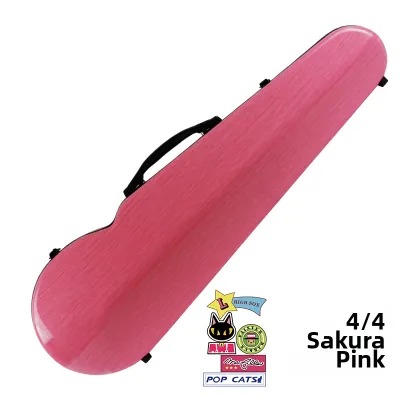
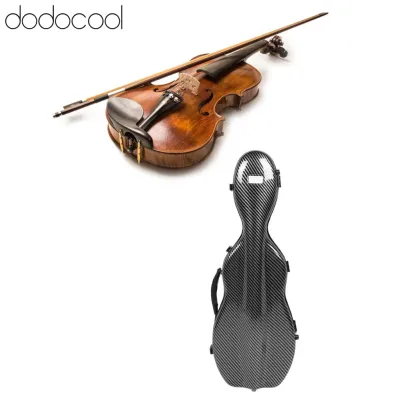

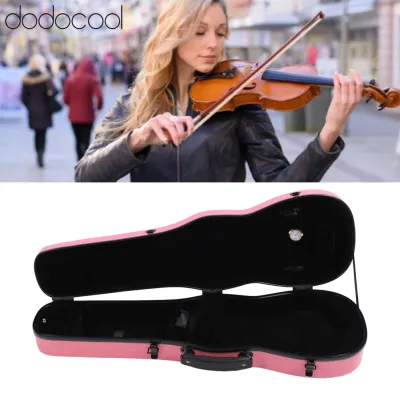
Prices are valid at publication and may change. Please refer to the product page for the latest price.
Policies are not universal. Rules vary significantly depending on the airline, the specific flight route, and the aircraft model. A regional turboprop plane will have much smaller overhead bins than a wide-body aircraft used for long-haul flights departing from major hubs like Singapore Changi Airport. Always verify the exact aircraft type listed on your booking confirmation.
Verifying Dimensions and Weight Limits
Before heading to the airport, physically measure the violin case rather than relying solely on the manufacturer’s listed specifications. Use a tape measure to determine the maximum length, width, and height. Be sure to include all external components such as carrying handles, D-rings, backpack straps, and stuffed exterior music pockets in these measurements.

Most airlines evaluate carry-on baggage using linear dimensions, which is the sum of the length, width, and height (L + W + H). For standard cabin bags, this limit often hovers around 115 cm, though some carriers enforce strict individual limits for each dimension (such as 56 cm x 36 cm x 23 cm). Compare your case’s total linear measurement against the airline’s published thresholds.
Weight is another critical factor that gate agents frequently check. A standard violin itself is relatively light, but a heavy wooden or heavily padded case, combined with multiple bows, shoulder rests, sheet music, and tools, can easily push the total weight past strict cabin limits. Some budget carriers enforce a combined cabin weight limit as low as 7 kg. Weighing the fully packed case on a luggage scale beforehand ensures you remain within these limits.
Additionally, compare your case against both the standard cabin bag limits and the smaller personal item limits. Understanding where your case fits within these two tiers helps you plan what other luggage you can bring on board, such as a small laptop bag or backpack.
Design Features That Improve Cabin Fit
The shape of a violin case plays a massive role in whether it will fit into a crowded overhead bin. Contoured or shaped cases, which mimic the outline of the violin, are highly recommended for air travel. They eliminate the dead space found in traditional rectangular cases, significantly reducing the overall volume and length. Rectangular cases offer more storage for accessories but are much harder to fit into tight overhead compartments or under-seat spaces.
The choice of shell material involves a trade-off between structural protection and physical flexibility. Hard-shell cases made of carbon fiber, fiberglass, or high-tech thermoplastics offer superior crush resistance, which is vital if the case must be placed in a shared bin where other passengers might shove heavy suitcases. However, these shells are completely rigid. Soft-shell or hybrid gig bags offer a small amount of compression but provide very little protection against impact.
Look for cases designed with minimal external protrusions. Flush-mounted latches, recessed handles, and removable backpack straps prevent the case from snagging on other luggage or the edges of the overhead bin. A streamlined exterior makes the case look smaller to gate agents, reducing the likelihood of it being singled out for measurement at the boarding gate.
Pre-Flight Preparation and Boarding Strategies
Securing space in the cabin is often a matter of boarding early. If the airline offers priority boarding, purchasing this option can be a worthwhile investment for musicians. Boarding in the first groups ensures that the overhead bins are empty, allowing you to place your violin case flat and secure before other passengers fill the compartments with bulky roller bags.
Always carry a physical printout or a saved digital copy of the airline’s official musical instrument policy. If a gate agent or flight attendant questions the size of your case, you can politely present the policy to demonstrate compliance. Remaining calm, polite, and informed is the most effective way to resolve disputes at the gate.
Despite your best efforts, there is always a small risk that a flight is completely full and the crew insists on gate-checking the instrument. To prepare for this scenario, practice safe, reversible packing before leaving for the airport. Loosen the violin strings slightly—about a half-step down—to relieve tension on the bridge and soundpost, as changes in cabin pressure and temperature can affect the wood. Ensure the bridge is stable, cushion the scroll with soft microfiber cloths, and verify that the bow spinners are securely locked.
Frequently Asked Questions (FAQ)
Can I use a shaped violin case as a personal item?
Generally, a shaped violin case is too long to qualify as a standard personal item, which must fit completely under the seat in front of you. While a contoured case is compact, its rigid structure cannot bend or compress to fit into the small personal item sizers used at the gate. Under-seat dimensions vary widely by aircraft, and placing a hard case there may block your legroom or violate safety regulations regarding emergency egress. It is safer to plan on using the case as your primary cabin bag.
Do I need to buy an extra seat for my violin?
For a standard violin, purchasing an extra seat is rarely mandatory, as the instrument is small enough to fit in overhead bins. However, if you are traveling with an exceptionally valuable antique instrument and prefer not to risk overhead storage, you can choose to purchase an extra cabin seat. If you do, you must contact the airline directly to book it, as they use specific ticketing codes for instruments and enforce strict safety rules, such as securing the case in a window seat using approved restraint methods.
Community discussion
Share your experience or ask a question. Comments are reviewed before publication.