
Choosing the best material for your violin case involves balancing protection against physical impact with defense against humidity. For the highest impact resistance and lightest weight, carbon fiber is a leading choice. However, traditional wood cases offer superior thermal insulation, which helps stabilize the internal environment. Ultimately, the best protection comes from a combination of a durable outer shell, a high-quality suspension system inside the case, and an airtight seal to manage moisture effectively.
The Real Threats: How Humidity and Impact Damage Violins
Your violin is a delicate instrument, vulnerable to both sudden accidents and gradual environmental damage. In a tropical climate like Singapore’s, high humidity is a constant threat. Excessive moisture in the air can cause the wood of your instrument to swell, which may lead to open seams, softened glue joints, and a muffled tone. In severe cases, it can even encourage mold growth inside the case or on the violin itself.
Physical impacts pose a more immediate danger. A drop or a hard bump can have catastrophic consequences, such as a crack in the fine spruce top, a snapped scroll, or a dislodged soundpost, which is critical for the instrument’s structural integrity and sound production. A protective case must therefore serve two distinct but equally important functions: providing a buffer against the slow, creeping damage from the environment and offering a rigid shield against sudden kinetic shocks.
Products mentioned in this guide
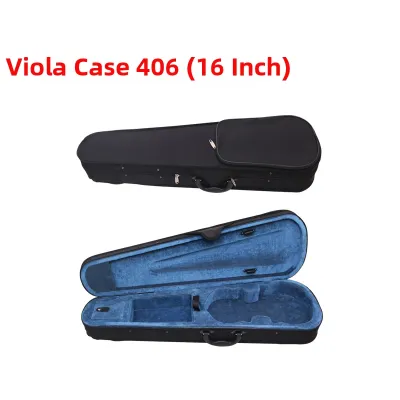
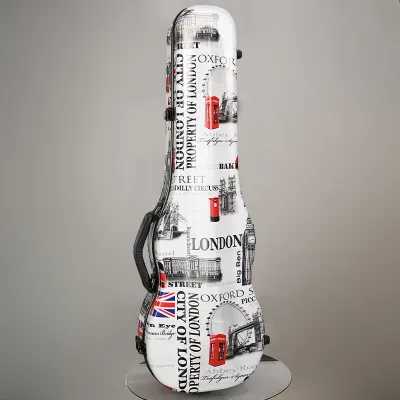
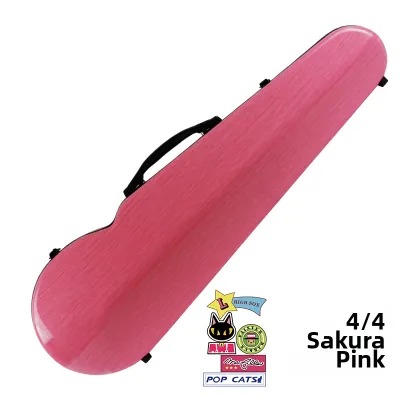
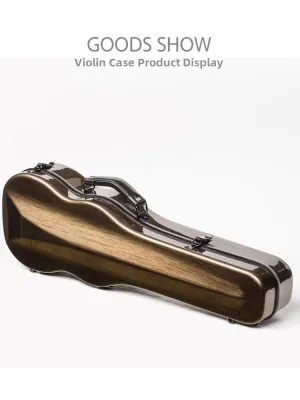
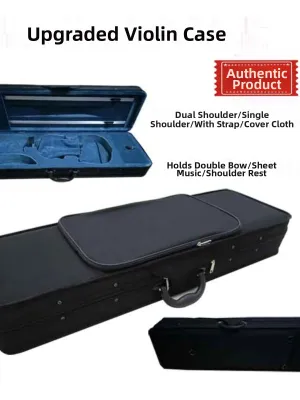
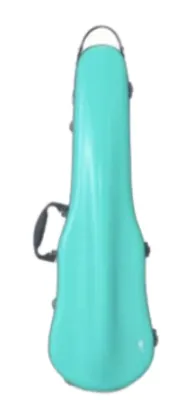
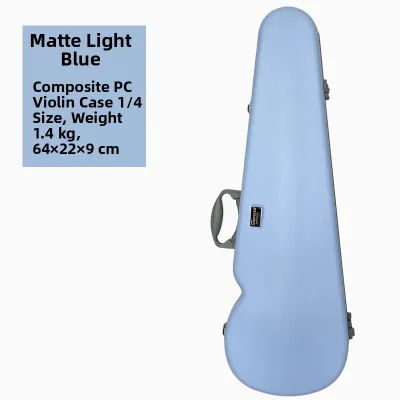
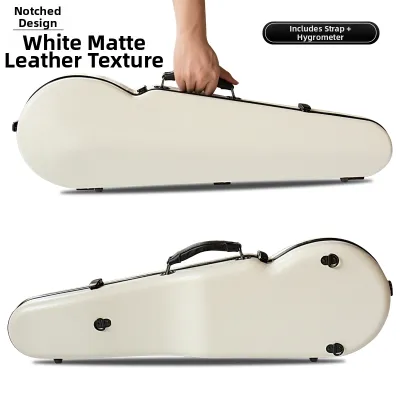
Prices are valid at publication and may change. Please refer to the product page for the latest price.
Outer Shell Materials: Wood, Carbon Fiber, and Synthetics Compared
The exterior shell is your violin’s first line of defense. The material it’s made from determines its weight, rigidity, and how it responds to environmental changes. Each option presents a different set of trade-offs between protection, portability, and climate control.

Wood Cases (Plywood and Solid Wood)
Wooden cases, often made from multi-layered plywood, are the traditional choice for good reason. Wood is a natural insulator, meaning it buffers the instrument against rapid temperature changes. This can be a significant advantage when moving between a cool, air-conditioned room and the warm, humid air outside, as it helps to stabilize the relative humidity inside the case.
However, wood cases are generally heavier than their modern counterparts. While they offer decent protection, they don’t have the same crush or drop resistance as composite materials. Another point to consider is their own vulnerability to moisture. If the outer covering is torn or the finish is compromised, the wood shell itself can absorb water, potentially warping or transferring dampness to the interior. When considering a wood case, check the manufacturer’s specifications for its exterior water-resistant treatments and the quality of its seals.
Carbon Fiber Cases
For musicians who prioritize strength and portability, carbon fiber is often the ultimate choice. This composite material boasts an exceptional strength-to-weight ratio, providing superior resistance to crushing and impacts from drops while being remarkably light to carry. The rigidity of carbon fiber ensures that the case will not flex under pressure, protecting the violin from forces that could damage it.
The primary trade-off is thermal conductivity. Carbon fiber transfers heat more readily than wood, so the case itself provides little insulation. This means the temperature inside the case will change quickly to match the ambient temperature. In a humid climate, this rapid change can be a concern, making a high-quality, airtight weather seal and diligent internal humidity management absolutely essential for a carbon fiber case to be effective.
Fiberglass and ABS Plastic
Molded synthetic cases, typically made from fiberglass or Acrylonitrile Butadiene Styrene (ABS) plastic, offer a durable and often more budget-friendly alternative. Their main advantage is their inherent water resistance; a seamless plastic shell is virtually impervious to rain or spills. They provide good, reliable protection against everyday bumps and knocks.
However, not all synthetic cases are created equal. Cheaper plastics can become brittle with age or exposure to UV light, potentially cracking under impact. They may also lack the immense structural rigidity of carbon fiber, offering less protection against severe crushing forces. When looking at fiberglass or ABS cases, seek out models with features like reinforced ribs or double-wall construction, which add strength and stiffness to the design.
Interior Protection: Padding, Linings, and Suspension Systems
What happens inside the case during an impact is just as important as the strength of the outer shell. The interior components are designed to absorb shock and hold the instrument securely, preventing damaging movement.
Padding and Lining Materials
The materials lining your case serve both to cushion the violin and to protect its delicate varnish. Modern cases often use injected, high-density foam padding, which is excellent at absorbing and dissipating the kinetic energy from a drop or blow. This foam is typically covered with a soft fabric.
Traditional cases may use velvet or other plush fabrics. While aesthetically pleasing, these materials by themselves offer minimal shock absorption compared to specialized foam. A more critical concern is moisture. Some open-cell foams or porous fabrics can trap humidity from the air, holding it directly against your violin’s surface. When choosing, look for interiors made with non-abrasive, colorfast fabrics and inquire about the type of foam used. A closed-cell foam is generally better as it does not absorb moisture.
Suspension Systems for Shock Isolation
A suspension system is a crucial feature that dramatically increases a case’s protective capability. Instead of letting the violin rest on the bottom of the case, a suspension system uses padded supports at the neck and lower bout to cradle the instrument, effectively “floating” it within the case shell. This small gap between the instrument and the case walls is critical.
During a fall, the suspension system allows the outer shell to absorb the initial impact while isolating the violin from the shockwave. This significantly reduces the risk of damage to the bridge, soundpost, and body of the instrument. When inspecting a case, ensure the suspension holds the violin securely in place without putting undue pressure on the neck or bridge. The instrument should not wiggle or shift when the case is closed.
Managing Moisture: Seals, Hygrometers, and Humidifiers
No case material alone can perfectly shield your violin from humidity; active management is necessary, especially in a consistently damp environment. A well-designed case is a sealed micro-environment that you can control.
The first component of this system is the seal. Look for cases with a continuous rubber gasket around the rim where the top and bottom halves meet. This creates a tongue-and-groove valance that helps block the exchange of air and moisture with the outside world. A tight seal is far more important than the shell material for long-term humidity control.
Many cases include a built-in hygrometer to monitor the relative humidity inside. Use this as a guide to know when you need to take action. To manage the moisture level, you can use two-way humidity control packets, which absorb or release moisture to maintain a stable target percentage. Alternatively, desiccants (like silica gel packs) can be used to absorb excess moisture. Always consult your luthier or the violin’s manufacturer for the ideal humidity range for your instrument, which is typically between 40% and 60%. Never place a wet humidifier or damp accessories directly in the case where they might touch the instrument’s wood.
How to Choose the Right Case for Your Needs
Selecting the best violin case depends on your specific lifestyle and how you use your instrument. By weighing the pros and cons of each material against your daily routine, you can find the perfect match for your protective needs.
- For the Daily Commuter or Student: If you frequently travel with your violin by public transport, walk long distances, or navigate crowded school hallways, your primary risk is impact. A carbon fiber case is likely your best option. Its light weight will make carrying it easier, and its superior impact and crush resistance provide peace of mind against accidental bumps and drops. Pair it with a good suspension system and actively manage the internal humidity.
- For the Studio Musician or Home Player: If your violin rarely leaves the controlled environment of your home or studio, the risk of major impact is lower. Here, a high-quality wood case can be an excellent choice. Its natural thermal insulation provides a stable environment, protecting the instrument from subtle but persistent changes. Ensure it has a good seal and a robust locking mechanism.
- For the Budget-Conscious Player: If you need solid, reliable protection without a premium price tag, a well-made fiberglass or ABS plastic case is a strong contender. It offers excellent water resistance and good all-around durability. Look for a model from a reputable brand that includes a suspension system to maximize its protective value.
Regardless of the material you choose, always verify that the case is the correct size for your violin. Check the interior dimensions, ensure there is adequate space for your shoulder rest, and confirm it has enough bow holders for your needs. Comfort is also key, so test the handle and shoulder straps to make sure they are comfortable for you to carry.
Community discussion
Share your experience or ask a question. Comments are reviewed before publication.