
Violin rosin is a hard, translucent block of processed tree resin that players apply to their bow hair to create the friction necessary for producing sound. Without rosin, bow hair slides silently across violin strings, yielding nothing more than a faint whisper. Choosing the right rosin depends on your playing environment, your violin’s strings, and your skill level, with options ranging from hard, low-dust light rosins to softer, high-grip dark formulations.
What Is Violin Rosin and Why Your Bow Needs It
To understand how rosin works, one must look at its natural origins. Raw sap is harvested from pine, larch, or fir trees, then heated and purified to remove impurities, water, and volatile oils. Manufacturers often blend this purified resin with other natural ingredients or metals to alter its physical properties, pouring the molten liquid into molds to cool into the solid cakes or blocks used by musicians.
The mechanical relationship between the bow and the string relies entirely on this substance. Under a microscope, bow hair is covered in tiny scales, but these scales alone cannot grip a smooth metal or synthetic string. Rosin leaves a fine powder on the hair that creates a “stick-and-slip” action; as you draw the bow, the rosin momentarily grips the string, pulling it along until the string’s tension forces it to slip back. This rapid cycle repeats hundreds of times per second, generating the vibration we hear as music.
Products mentioned in this guide
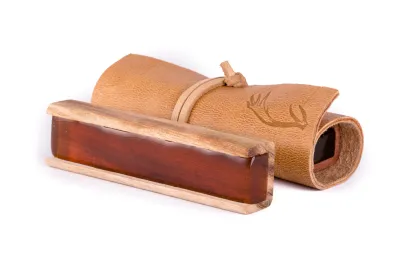
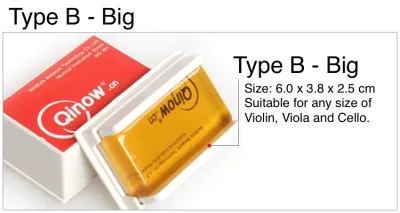
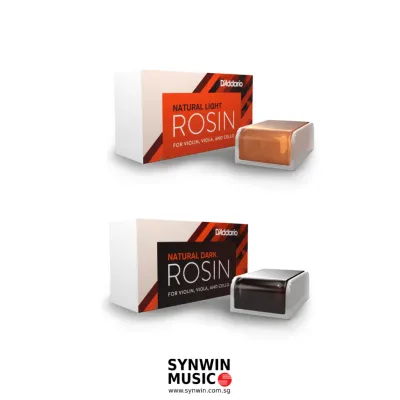
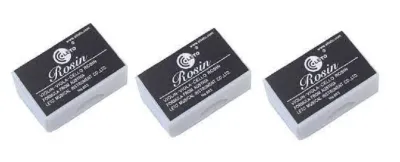
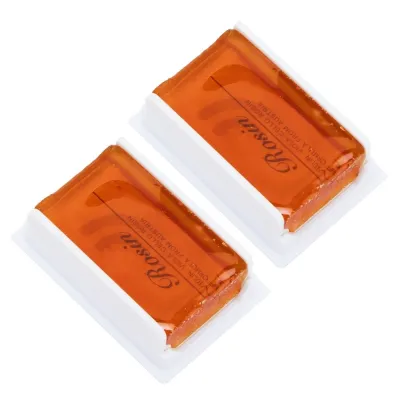
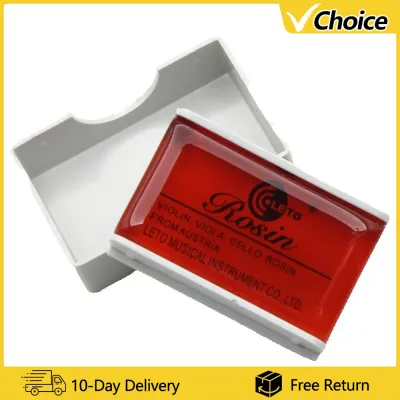
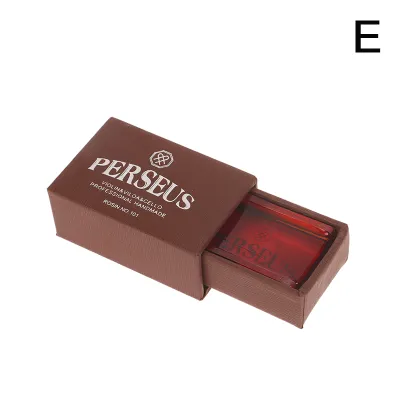
Prices are valid at publication and may change. Please refer to the product page for the latest price.
Before purchasing or using a rosin cake, you should perform a few simple visual and tactile checks. Inspect the surface for a smooth, glassy appearance free of deep cracks, chips, or crystallization, which can indicate age or poor storage. A quality cake should feel solid and dry to the touch, not sticky or greasy, and should not crumble under light pressure.
Light vs. Dark Rosin: Understanding the Physical and Acoustic Differences
The most common classification system for rosin is its color, which generally correlates with its physical properties and performance characteristics. Light rosin, often amber or yellow, is cooked at lower temperatures and remains relatively hard and dry. This hardness results in a smoother, lighter grip on the strings, producing a bright, clear tone with minimal dust production.

In contrast, dark rosin is typically cooked longer or at higher temperatures, resulting in a softer, stickier consistency. This increased tackiness provides a stronger grip on the strings, allowing for a deeper, warmer sound and quicker bow response. However, this softer formulation tends to produce more dust and can feel slightly sluggish if over-applied.
Environmental factors play a significant role in how these formulations behave. In warm, humid climates like Singapore, rosin naturally softens and becomes stickier. Consequently, many local players prefer harder, light rosins to prevent the bow from feeling overly gummy or heavy. Conversely, in cold, dry environments, dark rosin can help maintain necessary grip when harder rosins become too slick.
While color is a helpful starting point, you should always check the manufacturer’s specific product labels and descriptions. Some light-colored rosins are formulated with additives to increase grip, while some dark rosins are engineered to be low-dust and relatively hard. Relying solely on color can lead to unexpected results, so verifying the intended characteristics on the packaging is essential.
How to Choose the Right Rosin for Your Skill Level and Strings
Selecting the ideal rosin requires balancing your technical proficiency with your instrument’s physical setup. Beginners often benefit from harder, light rosins because they are easier to apply evenly and produce less dust, keeping the instrument cleaner. A lighter grip also helps novice players develop smooth bow control without the distracting resistance or scratchy sounds that can occur with highly tacky dark rosins.
Advanced players, on the other hand, often seek specific tonal qualities and precise articulation. They may choose specialized formulations—sometimes containing fine metallic particles like gold, silver, or copper—to match their playing style. These players use the subtle differences in grip to shape their dynamics, manage complex bow strokes, and project their sound in larger performance spaces.
Your choice of strings is equally critical when pairing a rosin. Steel core strings are highly responsive but can sound bright or harsh; they pair well with softer, darker rosins that provide a dampening effect and a warmer tone. Synthetic core strings are highly versatile and work well with a wide range of medium-hard to light rosins, allowing the natural balance of the string to shine. Traditional gut strings require a strong, immediate grip to speak clearly, making medium-dark or specialized tacky rosins the preferred choice. Always verify compatibility by checking the string manufacturer’s recommendations.
To find your perfect match, test your chosen rosin during a dedicated practice session. Pay close attention to the audible feedback: a scratchy, harsh sound suggests your rosin may be too tacky or over-applied, while a faint, airy tone indicates a lack of grip. Observe the physical resistance in your hand; the bow should glide smoothly while still feeling connected to the string, allowing you to control the start of each note with ease.
Application and Maintenance: Achieving Optimal Grip Safely
Applying rosin correctly is a skill that preserves both your bow hair and your instrument. To determine if your bow needs rosin, look for visual and tactile cues. A properly rosined bow has a light, even matte appearance across the hair; if you see shiny patches, those areas lack grip. Gently touch the hair with the back of a clean finger near the frog—it should feel slightly textured, not slick or greasy.
Over-application is a common mistake that leads to a scratchy tone and excessive dust buildup on your violin. To clean your instrument safely, use a soft, dry microfiber cloth to wipe away any white powder from the violin body, fingerboard, and strings after every playing session. Never use water, alcohol, or liquid polish on the wood, as these can permanently damage the delicate varnish; stick to dry, gentle wiping.
Proper storage is vital to protect your investment. Rosin is highly sensitive to temperature extremes and can melt or crack if left in direct sunlight or inside a hot car. Store your rosin cake in its protective cloth, box, or pouch, and keep it inside your violin case when not in use. This simple habit shields the cake from physical impacts and environmental fluctuations, ensuring it remains consistent and usable for years.
Frequently Asked Questions (FAQ)
How often should I apply rosin to my violin bow?
Most players find that applying rosin every four to six hours of playing time is sufficient. You will know it is time to re-apply when you observe a slippery feel as the bow moves across the strings, or when your violin produces a faint, airy sound instead of its usual clear tone. Environmental factors like high humidity can also cause rosin to wear off the hair more quickly, requiring more frequent, light touch-ups.
Can I use cello or double bass rosin on a violin?
It is generally not recommended to use cello or double bass rosin on a violin. Because cello and double bass strings are much thicker and heavier, their rosins are formulated to be significantly softer and stickier to grip those heavy strings. Using these heavier formulations on a violin bow will result in excessive dust buildup, a sticky bow feel, and a harsh, scratchy tone that is difficult to control.
Does violin rosin expire or lose its effectiveness?
While rosin does not have a strict expiration date, it does degrade over time. A cake of rosin typically remains highly effective for one to two years of regular use. Over time, exposure to air causes the essential oils in the resin to evaporate, leading to extreme hardening, surface glazing, or structural cracking. If your rosin cake feels glassy and fails to transfer powder to your bow hair even after scratching the surface, it is time to replace it.
Community discussion
Share your experience or ask a question. Comments are reviewed before publication.