
Transitioning from the Greek and Roman pantheons of modern Western fantasy to the rich tapestry of Southeast Asian folklore offers a thrilling shift in perspective for mythology enthusiasts. The core appeal of quest-driven mythological adventures lies in how ancient gods and legendary creatures seamlessly collide with the modern world, viewed through the eyes of witty, slightly overwhelmed protagonists. Singaporean fiction writers frequently employ this exact urban fantasy framework, drawing from a deep well of regional myths to create fast-paced, contemporary adventures. By exploring local speculative fiction, readers can discover stories where the bustling streets of a modern city-state hide supernatural realms, ancient spirits, and magical artifacts.
For readers who appreciate the blend of humor, divine politics, and high-stakes action, local Singaporean literature provides a fresh landscape. The transition from classical Western myths to regional folklore introduces entirely new pantheons, magical rules, and cultural contexts. Understanding how these local elements are structured helps readers identify the stories that will best satisfy their craving for mythological world-building and heroic journeys.
Which Local Folklore Elements Match the Myth-Driven Adventure?
To find stories that capture the high-stakes energy of modern mythological fantasy, look for narratives that adapt regional spirits and urban legends into active, contemporary characters. In Southeast Asian folklore, entities like the Pontianak, a vengeful female spirit, or the Orang Minyak, a supernatural grease-covered figure, are traditionally feared in horror stories. However, contemporary Singaporean fantasy often reimagines these figures as complex modern antagonists, reluctant allies, or misunderstood beings navigating the challenges of a highly urbanized environment. This mirrors how classical monsters are modernized and given depth in Western urban fantasy.
Products mentioned in this guide
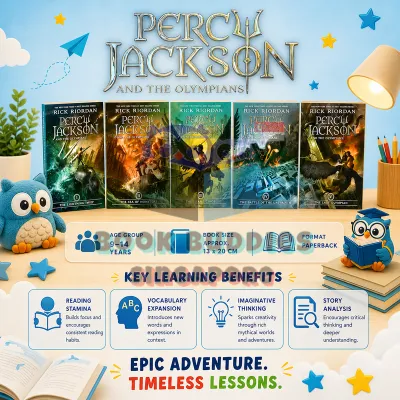
![[SG Stock]5 Books The Trials of Apollo Series Rick Riordan Percy Jackson Related Children Fiction Books](https://img.lazcdn.com/g/p/6cbf3bf7e8b31fa1e35d2e13937b87e2.jpg_400x400q80.jpg_.webp)
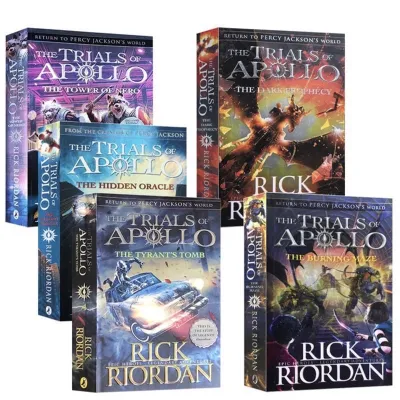
![[SG Stock] The Trials of Apollo (5 Books)](https://img.lazcdn.com/g/p/a8cdb4936af36edd0c5b5bb75315f7ac.jpg_400x400q80.jpg_.webp)
Prices are valid at publication and may change. Please refer to the product page for the latest price.
Nature spirits and ancient deities also play a significant role in regional lore, offering a direct parallel to the divine interventions seen in classical mythologies. Figures such as the Naga, serpentine dragon deities, the Bidadari, celestial nymphs, and the Hantu Raya, or great spirits, are frequently woven into magical realism settings. Instead of residing in distant, ancient pasts, these entities might inhabit hidden pockets of remaining rainforests, historic reservoirs, or even the high-rise architecture of modern housing estates. This juxtaposition of the ancient and the ultra-modern provides a rich, atmospheric backdrop for quest-driven plots.
Furthermore, Singapore’s unique position as a cultural crossroads means its speculative fiction draws from a syncretic mix of Malay, Chinese, Indian, and Eurasian mythologies. A single novel might feature Taoist deities, Malay animist spirits, and Hindu mythological figures coexisting within the same urban landscape. For a reader who enjoys the complex divine hierarchies and cross-pantheon interactions of modern myth-retellings, this multicultural tapestry offers an incredibly diverse and layered world-building experience that feels both expansive and interconnected.
How to Evaluate and Select the Right Singaporean Fiction
When searching for your next read, it is essential to distinguish between Young Adult (YA) adventure tones and adult speculative fiction. If you want the lighthearted banter, fast pacing, and coming-of-age themes characteristic of popular mythological series, target books explicitly categorized under YA urban fantasy or contemporary fantasy. Adult selections in Singaporean literature often lean heavily into dark fantasy, psychological horror, or literary magical realism, which may prioritize atmospheric dread and social commentary over action-packed mythological quests.

You should also evaluate how the author approaches cultural adaptation versus traditional folklore. Some writers aim for strict historical and cultural authenticity, providing detailed glossaries and sticking closely to established oral traditions. Others prefer a highly creative, modernized adaptation that treats folklore as a flexible sandbox, blending traditional myths with science fiction, cyberpunk, or superhero tropes. Checking the book’s blurb, author notes, or introductory chapters can help you determine if the world-building style matches your preference for mythological accuracy or inventive reimagining.
Finally, consider the balance between world-building exposition and narrative pacing. A successful myth-driven adventure needs to introduce complex regional concepts without stalling the plot. Look for books that integrate folklore naturally through character dialogue, magical combat, or active mystery-solving rather than long passages of historical explanation. Reading sample chapters online or checking independent book blogs can give you a quick sense of whether the narrative moves at the brisk, engaging speed required to keep a fantasy fan hooked.
What to Verify Before Buying or Borrowing Local Editions
Before purchasing or borrowing Singaporean fiction, always verify the specific edition, language, and regional publishing rights. Many local works are published by independent regional presses, which may distribute different editions for domestic and international markets. Ensure the copy you select is the complete, unabridged version and is written in your preferred language, as some anthologies or novels feature bilingual elements or localized English, often referred to as Singlish, which may or may not include a helpful glossary for international readers.
Format compatibility is another crucial factor to check, especially for digital readers. If you prefer e-books or audiobooks, verify that the file format is compatible with your specific e-reader, tablet, or listening app. Some niche local titles may only be available on specific regional digital platforms or library apps, such as those managed by public library systems. Confirming compatibility beforehand prevents format errors and ensures a smooth reading experience.
Lastly, do not rely solely on cover art or catchy titles to judge a book’s suitability. A cover that mimics the bright, cartoonish style of popular YA fantasy might actually contain a dark, mature horror story with intense themes. Always review the publisher’s age ratings, content warnings, and detailed synopsis to ensure the book aligns with your reading comfort level and expectations.
Frequently Asked Questions (FAQ)
Are there ongoing Young Adult mythology series in Singapore?
Yes, Singapore’s speculative fiction scene features several ongoing series and serial anthologies that explore local and regional mythology. While standalone novels are highly common due to the boutique nature of local publishing, several authors have developed multi-book arcs and shared universes that allow readers to follow the same characters through multiple mythological adventures. Checking the catalogs of local independent publishers is an excellent way to identify these series.
How can I verify if a novel accurately represents local folklore?
To verify the authenticity of the folklore presented in a novel, look for an author’s note, bibliography, or glossary at the back of the book, where writers often detail their research sources. You can also cross-reference the mythological figures mentioned in the story with academic resources on Southeast Asian animism, Malay folklore, and regional history. Many local libraries and cultural heritage portals offer accessible digital archives detailing these traditional legends.
Community discussion
Share your experience or ask a question. Comments are reviewed before publication.