
When shopping for a 26-inch ukulele bag, the primary goal is securing a snug fit and reliable protection for a tenor ukulele. A great bag balances dense interior padding, weather-resistant exterior fabrics, and ergonomic straps that make commuting easy. Because tenor ukuleles vary slightly in body shape and depth depending on the maker, choosing the right bag requires looking beyond the “26-inch” label to examine specific physical dimensions and construction details.
Verifying the Fit: Internal Dimensions for Tenor Ukuleles
While “26-inch” is the standard industry label for tenor ukuleles, it refers to the approximate overall length of the instrument rather than a universal bag size. External bag dimensions are always larger than the interior compartment to accommodate seams, padding, and outer shells. Relying solely on the label can lead to buying a bag that is either too tight, putting pressure on the tuning pegs, or too loose, allowing the instrument to slide around.
To ensure a proper fit, measure your ukulele manually before shopping. You will need three key measurements: the total length from the top of the headstock to the bottom of the body, the width of the lower bout (the widest part of the body), and the maximum body depth. Compare these measurements directly against the manufacturer’s listed internal dimensions rather than the external product dimensions.
Products mentioned in this guide
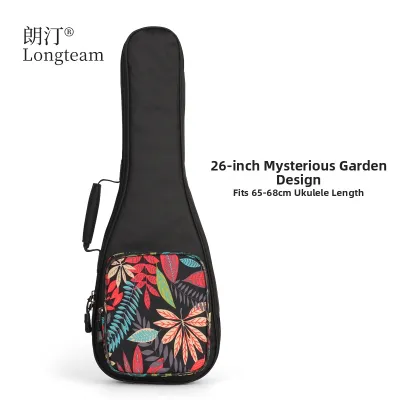
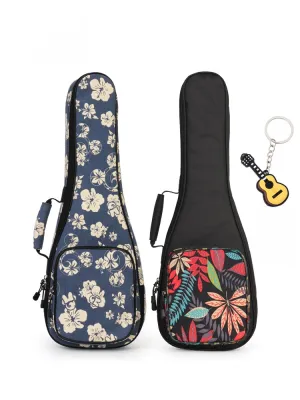
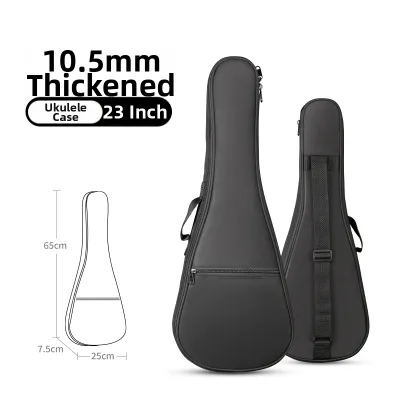
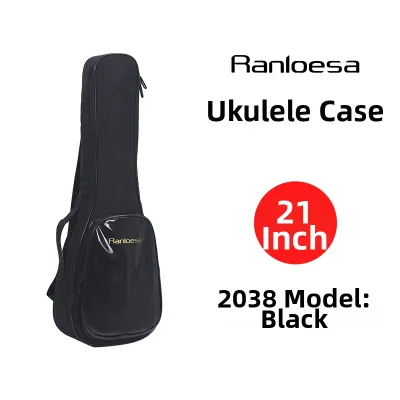
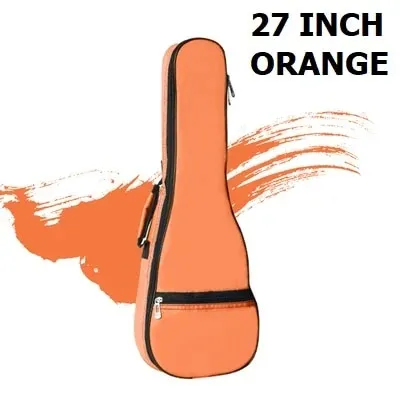
Prices are valid at publication and may change. Please refer to the product page for the latest price.
A well-fitting bag should allow you to zip the compartment easily without forcing the fabric over the bridge or headstock. There should be minimal empty space around the body to prevent shifting during transit. If your tenor ukulele has an unusual body shape, such as a cutaway or an archtop, pay extra attention to the depth and lower bout measurements to avoid a cramped fit.
Assessing Protection: Padding Thickness and Shell Materials
Ukulele bags generally fall into three categories: unpadded soft gig bags, padded gig bags, and hard cases. Unpadded bags offer basic scratch and dust protection, making them suitable only for home storage. Padded gig bags, which typically feature foam layers ranging from 10mm to 25mm in thickness, offer excellent shock absorption for daily travel. Hard cases provide maximum crush protection but are significantly heavier and less flexible.

When evaluating a padded bag, check the density of the foam rather than just the thickness. High-density foam offers superior impact resistance compared to soft, spongy open-cell foam of the same thickness. You can often verify this by pressing the padding between your fingers; high-density foam will feel firm and resist collapsing completely under pressure.
The exterior material is your instrument’s first line of defense against the elements. Look for high-denier polyester or nylon fabrics, which offer excellent tear resistance and water repellency to protect against sudden rain. Pay close attention to zipper quality, as heavy-duty, rubber-sealed zippers help prevent water from seeping through the seams during outdoor commutes.
Internal structural support is equally critical for preventing neck and headstock damage. Look for bags equipped with a padded neck block and a secure Velcro strap to lock the neck in place. This feature suspends the headstock, preventing the tuning pegs from absorbing the impact if the bag is dropped vertically.
Evaluating Storage: Compartments for Accessories and Sheet Music
A functional ukulele bag should accommodate your essential gear without becoming excessively bulky. Most players need to carry a clip-on tuner, spare strings, a capo, a cleaning cloth, and a strap. Look for a bag with a dedicated accessory pocket that keeps these small items organized and prevents them from scratching the instrument’s finish.
If you regularly practice from physical books or use a tablet, ensure the bag features a large exterior pocket. This pocket should be wide and tall enough to fit standard A4-sized songbooks or a tablet without bending the corners. However, avoid bags with an excessive number of pockets, as they add unnecessary weight and can make the bag front-heavy when fully loaded.
Pay attention to pocket placement and design. Pockets should have their own independent gussets so that packing them full does not compress the main compartment or put pressure on the delicate wooden soundboard of the ukulele. For solid-wood instruments, look for a small interior pocket designed to hold a humidity-control pack, which helps maintain stable wood moisture levels.
Checking Portability: Straps, Handles, and Carry Options
How you carry your ukulele depends heavily on your daily commute and travel habits. For quick grabs and short walks, a sturdy side handle is essential. Look for a handle that is thickly padded and securely stitched to the main body of the bag, preferably reinforced with metal rivets or heavy-duty cross-stitching.
For longer walks or commutes on public transport, dual backpack-style straps are highly recommended. They distribute the weight of the instrument evenly across both shoulders, reducing muscle strain and keeping your hands free. Ensure the straps are adjustable and feature breathable mesh padding to keep you comfortable in warm weather.
Some bags offer detachable or tuck-away straps, which are convenient if you frequently pack your gig bag inside a larger suitcase or overhead compartment. Additional features like a top grab handle or a hanger loop make it easy to hold the bag upright on a crowded train or hang it safely in a closet when not in use.
Building Your Shortlist: Matching Specs to Your Routine
To find the right bag, match its specifications to your typical playing routine. If your ukulele rarely leaves the house, a lightweight bag with 10mm of padding and a single shoulder strap is a practical, budget-friendly choice, often costing between S$20 and S$40. If you commute regularly to lessons or outdoor jams, invest in a bag with at least 15mm to 20mm of high-density padding, water-resistant fabric, and dual backpack straps, which typically range from S$50 to S$100.
Avoid letting cosmetic features, such as bright patterns or decorative patches, distract you from structural quality. Prioritize durable zippers, dense padding, and accurate internal dimensions over aesthetics. Before making a purchase, always verify the seller’s return policy so you can test the fit with your specific tenor ukulele at home.
Frequently Asked Questions (FAQ)
Can I use a 26-inch bag for a concert or soprano ukulele?
While a smaller ukulele will physically fit inside a 26-inch tenor bag, doing so is not recommended for regular transit. The excess space allows the smaller instrument to slide around freely, which can lead to scratches, detuning, or structural damage to the neck and headstock. If you must use a larger bag temporarily, wrap the ukulele in a soft microfiber towel to fill the empty space and prevent movement.
Is a hard case better than a padded gig bag for a tenor ukulele?
Neither option is universally better; the right choice depends on your transit habits and storage needs. A hard case offers superior crush resistance and excellent climate control, making it ideal for air travel, stacking in a car trunk, or long-term home storage. However, hard cases are heavier and lack backpack straps, whereas a padded gig bag offers excellent portability, lightweight comfort, and convenient accessory storage for daily commutes.
Community discussion
Share your experience or ask a question. Comments are reviewed before publication.