
Selecting your first instrument is a pivotal step in your musical journey. For beginners considering a Knopper guitar, navigating the array of models, body shapes, and technical specifications can feel overwhelming. Making a confident choice requires understanding how a guitar’s physical design and materials align with your learning goals and comfort. By evaluating key specifications—such as body dimensions, tonewoods, neck profiles, and hardware configurations—you can narrow down the options to find an instrument that feels natural to play. Additionally, verifying the authenticity and physical condition of the guitar before purchasing ensures you invest in a reliable instrument. This guide breaks down the essential factors to evaluate, helping you select a first guitar that supports your progress.
Assess Your Playing Goals and Physical Fit
Before analyzing technical specification sheets, you must clarify your musical aspirations and identify your physical comfort requirements. Your primary genre of interest is the most important factor in determining whether an acoustic, classical, or electric Knopper model is right for you. If you are drawn to classical compositions or traditional fingerstyle, a nylon-string classical guitar offers the warm, mellow tone and wide fretboard spacing required for these styles. For pop, folk strumming, or country, a steel-string acoustic guitar provides the necessary brightness and projection. If your goals involve rock, blues, or jazz, an electric guitar offers the tonal versatility and ease of fretting that these genres demand.
Physical ergonomics are equally critical for preventing fatigue and strain during long practice sessions. A guitar that is too large can cause shoulder discomfort, while a neck that is too wide or thick can lead to hand cramps. Take note of your hand size and arm length when considering different models. Younger players or those with smaller frames often find compact body shapes or short-scale necks much easier to manage, as they reduce the physical stretch required to form chords.
Products mentioned in this guide
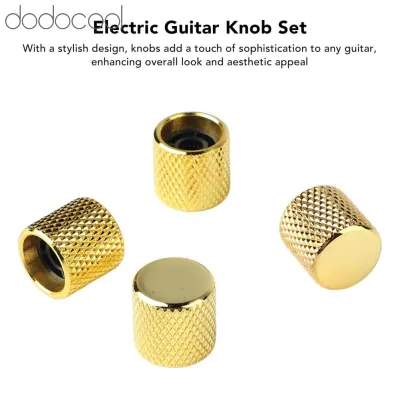

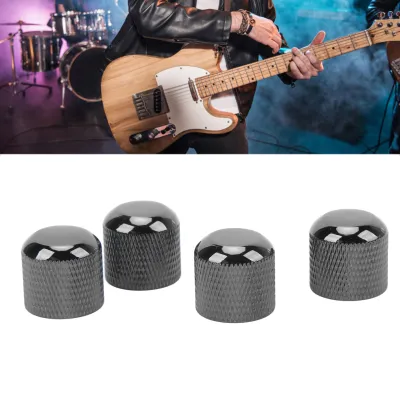
Prices are valid at publication and may change. Please refer to the product page for the latest price.
Finally, establish a realistic budget in Singapore Dollars (SGD) that accounts for the complete cost of ownership. Beginners often make the mistake of spending their entire budget on the guitar itself. A comprehensive budget must factor in essential accessories, a protective case, and the cost of a professional setup. Allocating funds for these supporting elements ensures your instrument is protected, easy to tune, and comfortable to play from day one.
Key Knopper Guitar Specifications to Evaluate
When shopping for your first guitar, relying solely on visual aesthetics or general marketing descriptions can lead to a mismatched purchase. Instead, you must learn to read and interpret the manufacturer’s official specification sheet. This technical document provides objective details about the materials, dimensions, and construction methods used to build each instrument, allowing you to make an informed comparison.

By locating and understanding key metrics on the product label or authorized dealer listings, you can bypass subjective marketing claims. Focus on the physical attributes that directly affect playability, durability, and tone. This analytical approach ensures that the guitar you choose matches your physical requirements and musical goals, rather than simply looking appealing on a display stand.
Body Type and Tonewoods
The body shape of a guitar dictates both its acoustic volume and its physical footprint. Dreadnought bodies are large and deep, offering robust bass response and projection, which is excellent for flatpicking and vocal accompaniment but can feel cumbersome for smaller players. In contrast, concert, grand auditorium, or parlor body shapes feature a narrower waist and shallower depth. These compact designs offer a more balanced midrange response and sit comfortably in the lap, making them highly recommended for smaller-framed players and fingerstyle enthusiasts. For electric models, solid-body contours prioritize lightweight ergonomics and upper-fret access over acoustic resonance.
The choice of tonewoods used in the construction of the top, back, and sides determines the fundamental character of the guitar’s sound. Spruce is a highly popular choice for acoustic tops, valued for its bright, articulate tone and wide dynamic range. Mahogany, when used for the top or body, produces a warmer, more focused midrange with a woody vintage character. When reviewing specifications, check whether the top is made of “solid” wood or “laminated” wood. Solid wood tops vibrate more freely and mature in tone over time, whereas laminated tops offer superior resistance to temperature and humidity fluctuations, making them highly durable options for beginners.
Neck Profile and Scale Length
The neck profile refers to the shape of the back of the neck where your thumb and palm rest. A modern “C-shape” profile is widely regarded as the standard for beginners because it offers a neutral, rounded contour that fits comfortably in most hands without forcing extreme wrist angles. Some models feature thinner, flatter profiles designed for rapid movement, while others offer thicker, vintage-style profiles that provide more support for the palm. Checking these dimensions on the manufacturer’s spec sheet helps you avoid profiles that feel overly bulky or excessively cramped.
Scale length—the distance between the nut and the bridge saddle—directly affects string tension and fret spacing. Standard scale lengths (around 25.4 to 25.5 inches) offer a snappy response and clear projection but require higher string tension, which can feel stiff to unconditioned fingers. Short-scale configurations (typically 24 inches or less) reduce string tension, making the strings noticeably softer to press down and bringing the frets closer together. If you have smaller hands or want to minimize finger soreness during the first few weeks of practice, look for short-scale options within the lineup.
Pickup Configuration and Hardware
If you are selecting an electric or acoustic-electric Knopper model, you must evaluate the electronic components to ensure they align with your musical preferences. Single-coil pickups deliver a bright, crisp, and highly detailed sound that excels in clean, funk, or classic rock styles, though they are susceptible to electrical interference. Humbucking pickups utilize two coils to eliminate hum, producing a thicker, warmer, and more powerful output that handles high-gain distortion smoothly, making them ideal for hard rock, metal, and jazz.
The hardware configuration also plays a major role in ease of use and maintenance. For your first guitar, prioritize simplicity by choosing a straightforward control layout with a master volume, master tone, and a robust pickup selector switch. Additionally, opt for a fixed bridge (often called a hardtail) rather than a floating tremolo system. Fixed bridges provide superior tuning stability, simplify the restringing process, and eliminate the complex mechanical adjustments associated with vibrato systems, allowing you to spend more time practicing and less time tuning.
Verifying Authenticity and Physical Condition
To ensure a secure purchase in Singapore, always verify that you are buying from an authorized dealer or a highly reputable local music store. This step guarantees that you receive an authentic instrument, protects you from counterfeit products, and ensures that your purchase is covered by a valid manufacturer’s warranty. Authorized dealers also provide access to certified technicians who can assist with future maintenance or warranty claims.
Before finalizing your purchase, conduct a thorough physical inspection of the instrument. Begin by sighting down the edge of the neck from the headstock toward the body to check the neck relief; the neck should be relatively straight with a very slight upward bow. Run your fingers gently along the top and bottom edges of the fretboard to check for sharp fret ends. If the frets protrude or feel sharp, it indicates that the wood has shrunk due to dry conditions, which will require professional filing to correct.
Next, examine the action and overall structural integrity. The strings should sit at a comfortable height above the fretboard; excessively high action makes the guitar difficult to play, while extremely low action leads to persistent fret buzzing. On acoustic models, inspect the bridge to ensure it is firmly glued to the top without any visible gaps or lifting. Check the entire body for structural cracks, deep wood splits, or loose joints, as these are severe defects that compromise the instrument’s longevity. Finally, locate the serial number on the back of the headstock or the internal soundhole label and verify it against the manufacturer’s database or official documentation to confirm its authenticity.
Essential Accessories and Initial Setup
A complete beginner setup requires a few essential accessories to support your daily practice and protect your investment. A well-padded gig bag or a hard case is vital for shielding the guitar from physical impacts and dust. A reliable clip-on tuner is indispensable, as practicing on an out-of-tune instrument can hinder your pitch recognition and ear development. You should also acquire a variety of picks in different thicknesses, a comfortable strap for practicing while standing, and a spare set of high-quality strings so you are prepared for unexpected breakages.
Even a brand-new guitar straight from the factory often requires a professional setup to achieve optimal playability. Factory settings are typically conservative and may not account for individual playing preferences or local climate conditions. Taking your guitar to a skilled local technician in Singapore for a setup involves adjusting the truss rod, filing the nut slots, and setting the bridge height. This process lowers the action to a comfortable level, refines the intonation so the guitar plays in tune across the entire fretboard, and significantly reduces the physical effort required to press down the strings.
Maintaining your instrument is crucial, especially when dealing with Singapore’s tropical climate. High humidity levels can cause the wood to swell, leading to high action, warping, and potential mold growth. Always consult the manufacturer’s care instructions for specific environmental guidelines. Generally, storing your guitar inside its case with a specialized two-way humidification system helps maintain a stable relative humidity level. Additionally, establish a routine of wiping down the strings, neck, and body with a clean, dry microfiber cloth after every session to remove sweat, skin oils, and dirt, preventing premature corrosion of the hardware and strings.
Frequently Asked Questions (FAQ)
Is it better to buy a used Knopper guitar as a beginner?
Purchasing a used instrument can offer significant financial savings, allowing you to acquire a higher-end model for the price of an entry-level new one. However, the pre-owned market introduces risks such as hidden structural damage, worn frets, or modified electronics that are difficult for a beginner to identify. If you choose to buy used, it is highly recommended to have an experienced guitarist inspect the instrument with you, or purchase from a reputable local shop that inspects, refurbishes, and sets up their used inventory before sale.
Do I need an amplifier if I buy an acoustic-electric Knopper?
No, you do not need an amplifier to begin practicing on an acoustic-electric model. These instruments are designed to function fully as standard acoustic guitars when unplugged, providing ample volume, warmth, and resonance for home practice and solo learning. An amplifier, acoustic preamp, or PA system is only necessary when you need to amplify your sound for live performances, record your playing directly into a computer interface, or play alongside louder instruments in a group setting.
Community discussion
Share your experience or ask a question. Comments are reviewed before publication.