
Finding the right pocket drum set involves balancing physical space, acoustic response, and digital connectivity to match your personal practice goals. Often designed as compact tabletop pads or highly portable, roll-up electronic layouts, these instruments offer an accessible entry point for beginners who want to learn rhythm without the bulk of a traditional drum kit. They are particularly appealing for those living in high-density housing, such as HDB flats or compact apartments, where space is at a premium and noise control is essential for maintaining good neighborly relations.
To make a confident purchase, you must look beyond aesthetic appeal and focus on how a kit’s physical layout, electronic specifications, and build quality align with your learning environment. A successful choice depends on verifying how the pads respond to your playing, how easily the system integrates with your existing devices, and whether the package includes all the necessary accessories to start playing immediately. By understanding these core elements, you can select a compact instrument that supports your musical growth while fitting seamlessly into your daily routine.
Understanding Pocket Drum Configurations and Layouts
The physical layout of a pocket drum set directly influences how you practice and the types of muscle memory you develop. Tabletop drum pads typically come in configurations ranging from four to seven pads arranged on a single, flat or slightly angled surface. A basic four-pad setup is highly compact and excellent for simple rhythm training, but it limits your ability to practice complex drum patterns that require separate cymbal and tom-tom triggers. If your goal is to eventually transition to a full-sized acoustic or electronic drum kit, a six-pad or seven-pad layout is highly recommended, as it provides dedicated zones for the snare, tom-toms, hi-hat, crash, and ride cymbals, mimicking the standard geometry of a traditional drum set.
Products mentioned in this guide
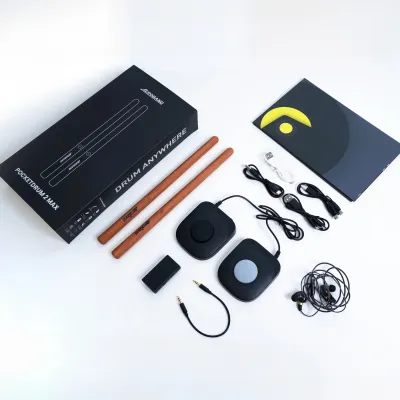
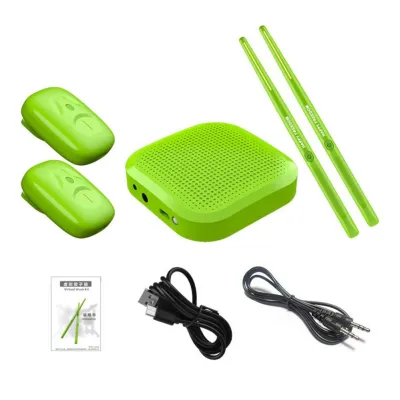

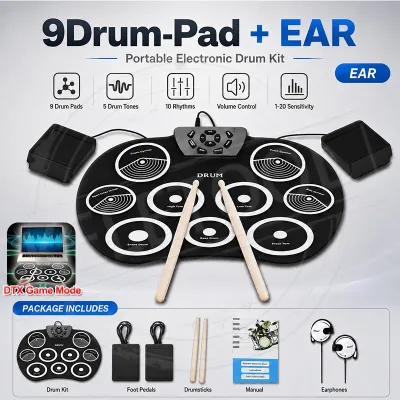
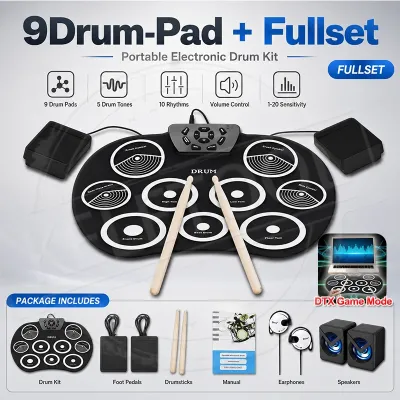
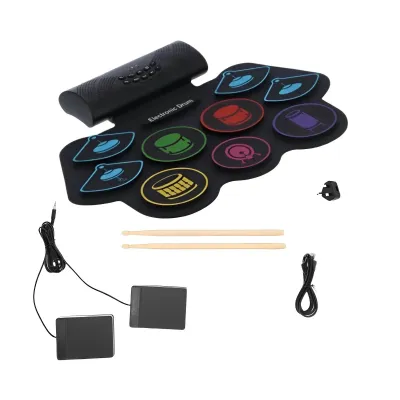
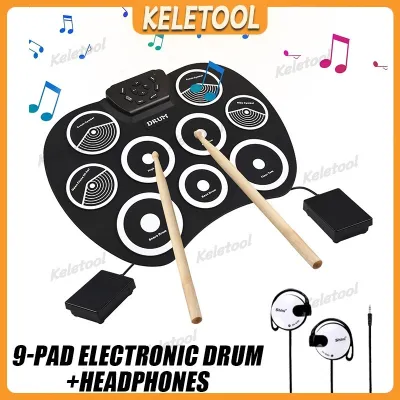
Prices are valid at publication and may change. Please refer to the product page for the latest price.
Foot pedals are another critical component that varies significantly across different pocket drum models. Many entry-level tabletop sets include simple electronic switch pedals that act as triggers for the bass drum and hi-hat. These switch pedals are lightweight and highly portable, but they lack the physical resistance and mechanical feel of real drum pedals, which can make developing proper foot technique challenging. In contrast, some advanced compact kits feature acoustic-style kick towers or sturdier pedal units that simulate the rebound of a physical beater. While these kick towers offer a much more realistic playing experience, they also take up more floor space and can transmit low-frequency vibrations through the floor, which is an important factor to consider if you live on an upper floor of an apartment building.
You must also decide between a standalone tabletop unit and a foldable, stand-mounted design based on your available practice space and storage options. Standalone tabletop units are incredibly space-efficient; they can be placed on a desk, a table, or even your lap, and can be easily tucked away into a drawer or closet when not in use. Foldable stand-mounted designs, on the other hand, feature lightweight frames that hold the pads in a more realistic, three-dimensional arrangement. While these stand-mounted kits offer superior ergonomics and a more authentic playing posture, they require a dedicated footprint during practice sessions. Checking the manufacturer’s specified dimensions for both the fully assembled and folded states will help you ensure the kit fits comfortably within your designated practice area.
Key Electronic and Acoustic Features to Evaluate
The internal sound module, often referred to as the “brain” of the electronic drum set, determines the quality of your practice sessions and the variety of sounds at your disposal. When evaluating a sound module, look for a diverse selection of built-in drum kit presets, ranging from realistic acoustic sounds to electronic and percussion kits. This variety keeps practice sessions engaging and allows you to explore different musical genres. Additionally, essential practice tools like a built-in metronome with adjustable tempos and time signatures, as well as pre-recorded play-along tracks, are invaluable for developing a steady sense of timing. Some modules also allow you to plug in an external audio source, such as a smartphone or music player, so you can play along with your favorite songs.

Connectivity options are crucial for ensuring your pocket drum set integrates smoothly with your existing technology. A dedicated headphone jack is a non-negotiable feature for silent practice, and you should verify whether the module uses a standard 3.5mm or a larger 6.35mm jack to ensure compatibility with your headphones. USB ports are equally important, as they allow you to connect the drum set to a computer or tablet. Look for USB-MIDI compatibility, which enables the drum set to function as a MIDI controller for music production software or interactive learning apps. Some modern pocket drum sets also feature Bluetooth connectivity, allowing you to stream backing tracks wirelessly from your mobile device directly to your headphones, eliminating messy cable setups.
The material and sensitivity of the drum pads play a major role in both the acoustic noise generated in your room and the physical feel of the sticks. Silicone pads are generally preferred over hard rubber pads because they produce less ambient noise when struck and offer a softer, more natural rebound that is gentler on your wrists. In tropical climates with high humidity, rubber pads can sometimes degrade, become sticky, or harden over time, making silicone a more durable and low-maintenance choice. Furthermore, you should verify the manufacturer’s specifications regarding velocity sensitivity. A velocity-sensitive pad detects how hard you strike it, translating your physical dynamics into corresponding volume changes in the sound module, which is essential for learning expression and nuance.
Power supply options affect how and where you can use your pocket drum set. Many portable models feature built-in rechargeable lithium-ion batteries, which offer the freedom to practice outdoors, during travel, or in areas of your home without easy access to a wall outlet. If portability is your priority, check the manufacturer’s estimated battery life per charge, keeping in mind that actual performance may vary based on volume levels and headphone usage. For stationary home practice, an AC adapter is highly reliable as it provides continuous power without the risk of battery depletion. Ensure the package includes the correct power adapter or charging cable, or verify the voltage and connector requirements if you need to purchase one separately.
Assessing Build Quality, Portability, and Ergonomics
A pocket drum set must be durable enough to withstand repeated physical impacts while remaining light enough to transport easily. When reviewing product specifications, pay close attention to the overall weight and folded dimensions of the kit. A kit that is too light may slide across your desk or tip over during energetic practice sessions, while a kit that is excessively heavy defeats the purpose of a portable instrument. Look for models that feature non-slip rubber feet or textured bottom surfaces to keep the unit stable on various tabletops. If you choose a foldable model, examine the design of the hinge mechanisms and adjustment knobs; metal-reinforced joints are generally more durable than all-plastic hinges, which can crack under repeated tightening.
Cable management is another aspect of build quality that is often overlooked but highly impacts long-term durability. Some compact drum sets feature integrated cable harnesses where all trigger cables are bundled together and pre-routed to the module, minimizing clutter and reducing the risk of snagging or pulling a wire loose. Models with loose, individual cables require more care during setup and teardown, as repeated bending and pulling can damage the internal copper wiring over time. Reading the user manual or product descriptions can give you insight into how the cables are routed and whether they are user-replaceable if damage occurs.
Ergonomics and stick rebound are vital for preventing physical fatigue and developing proper drumming technique. The layout of the pads should allow you to position them at angles that keep your wrists in a neutral, relaxed position, avoiding unnatural twisting or reaching. Good stick rebound is essential; when you strike a pad, the stick should bounce back naturally, allowing you to use the recoil for subsequent strokes. If the pads are too soft or lack sufficient rebound, your wrists and forearms will have to do all the work to lift the sticks, which can lead to muscle strain during extended practice sessions. Testing the physical response of the pads with standard wooden drumsticks is the best way to evaluate this characteristic.
Building Your Pre-Purchase Decision Checklist
To narrow down your options and make a confident decision, it is helpful to map the features of various pocket drum sets to your specific practice goals and living situation. If your primary objective is silent practice in a shared living space or apartment, your checklist should prioritize quiet silicone pads, low-vibration foot pedals, and high-quality headphone outputs. If you plan to use the drum set primarily for travel or outdoor practice, focus on lightweight tabletop designs with long-lasting rechargeable batteries and built-in speakers. For those interested in digital music production, USB-MIDI connectivity and low-latency performance should be at the top of the priority list.
Budget allocation is another key factor to consider, and establishing a clear spending framework in S$ will help you avoid overspending on unnecessary features. Entry-level tabletop drum pads typically range from S$80 to S$150, offering basic trigger pads, simple sound modules, and standard connectivity. Mid-range compact kits, which often fall between S$200 and S$400, generally provide better pad sensitivity, sturdier stands, more realistic foot pedals, and advanced connectivity options like Bluetooth. Decide whether your budget is better spent on superior pad materials that improve the physical playing feel or on an advanced sound module that offers higher-quality drum samples and better software integration.
Finally, always verify the exact package contents before finalizing your purchase to avoid unexpected additional costs. Some pocket drum sets are sold as complete bundles that include drumsticks, foot pedals, a power adapter, headphones, and even a small drum throne. Other models are sold as standalone units, meaning you will need to purchase these essential accessories separately. Check the product listing carefully to confirm what is included in the box, and factor the cost of any missing essentials into your overall budget so you can start playing the moment your package arrives.
Choosing a Retailer and Verifying Your Delivery
When you are ready to buy, selecting a reliable purchase channel is essential for ensuring you receive an authentic product backed by a valid manufacturer’s warranty. Purchase your pocket drum set from authorized musical instrument retailers, official brand stores, or reputable online marketplaces that offer buyer protection. Avoid purchasing from unauthorized third-party sellers or unverified online listings, as these products may lack proper quality control, and you may find it difficult to obtain customer support or replacement parts if something goes wrong.
As soon as your package arrives, perform a systematic unboxing inspection to verify the condition and functionality of the drum set. Carefully unpack all components and cross-reference them with the parts list in the user manual to ensure no accessories are missing. Inspect the physical chassis of the sound module and the surfaces of the pads for any signs of cosmetic damage or manufacturing defects. Once you have confirmed that all physical parts are present and intact, connect the power supply, plug in your headphones, and turn on the module to begin testing the electronics.
Test the responsiveness of every pad and pedal individually by striking them at different volumes, from soft taps to firm hits. This helps you verify that the velocity sensitivity is functioning correctly and that there are no dead zones or delayed triggers. Connect the drum set to your external devices, such as a smartphone or computer, to test the Bluetooth or USB-MIDI connections. If you discover any hardware defects, unresponsive triggers, or missing components, contact the retailer immediately. Familiarize yourself with the retailer’s return and exchange policies, noting the specific timeframe—typically within 7 to 14 days of delivery—to ensure you can resolve any issues promptly.
Frequently Asked Questions (FAQ)
Do I need an external amplifier for a pocket drum set? (FAQ)
For personal practice, you do not need an external amplifier, as pocket drum sets are designed to be used with headphones for silent play. Many models also feature small built-in speakers that are suitable for casual, low-volume practice in a quiet room. However, if you want to perform for others, play along with acoustic instruments, or practice without headphones at higher volumes, you will need to connect the drum set to an external amplifier. You can use a dedicated electronic drum monitor, a keyboard amplifier, or a powered PA speaker connected via the drum module’s headphone or line-out jack using standard audio cables.
Can I connect a pocket drum set to music production software? (FAQ)
Yes, most modern pocket drum sets can be connected to music production software or Digital Audio Workstations (DAWs) on a computer, tablet, or smartphone. To do this, verify that the drum module features a USB-MIDI port or Bluetooth-MIDI capability. Once connected, the drum pads can be used to trigger virtual drum instruments and record MIDI data directly into your software. You should check the manufacturer’s specifications to see if the device is class-compliant, meaning it works without installing additional drivers, and adjust your software’s audio buffer settings to minimize latency during playback.
Are pocket drum sets suitable for young children? (FAQ)
Pocket drum sets are highly suitable for young children due to their compact size, lightweight components, and adjustable layouts. Tabletop models can be placed on low tables or desks, making them easily accessible for smaller players without requiring them to stretch or strain. If you choose a stand-mounted kit, ensure the stand height can be adjusted downward to promote proper playing posture and prevent physical discomfort. Always check the manufacturer’s age recommendations and safety warnings on the product packaging, particularly regarding small parts, and supervise young children to ensure they use lightweight drumsticks safely.

Community discussion
Share your experience or ask a question. Comments are reviewed before publication.