
Selecting your first steel pan drum requires understanding the instrument’s physical layout, material construction, and the specific musical role you want to play. Because these instruments are handcrafted acoustic creations, understanding what to look for before you buy ensures you invest in a drum that stays in tune and is rewarding to play.
Clarify Your Instrument: Traditional Steelpan vs. Handpan
Before browsing online marketplaces, you must distinguish between a traditional Caribbean steelpan and a modern handpan or tongue drum. While both are metallic percussion instruments with distinct tone fields, they are structurally and culturally different. A traditional steelpan features a concave, bowl-like playing surface that curves downward into a steel barrel. You play this instrument using specialized rubber-tipped mallets while it hangs suspended from a dedicated stand.
In contrast, a handpan features a convex, dome-like surface with a central note dome that points upward. Handpans are designed to be played directly with your fingers and hands, typically while resting on your lap or a low tripod. The learning curves differ significantly; handpans offer an intuitive, freeform playing experience, whereas traditional steelpans require learning specific mallet techniques and physical coordination to strike the notes cleanly.
Products mentioned in this guide
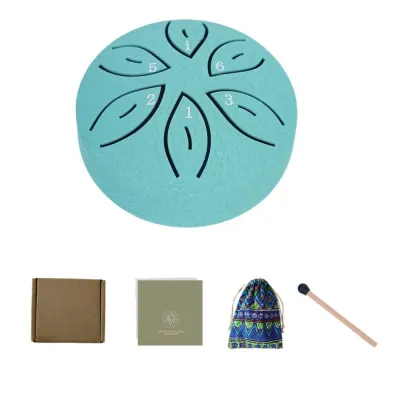
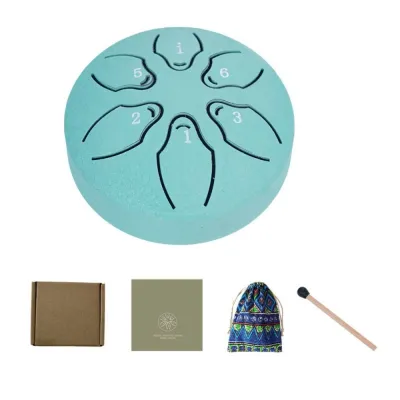
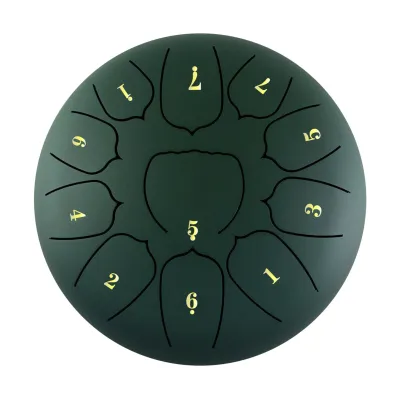
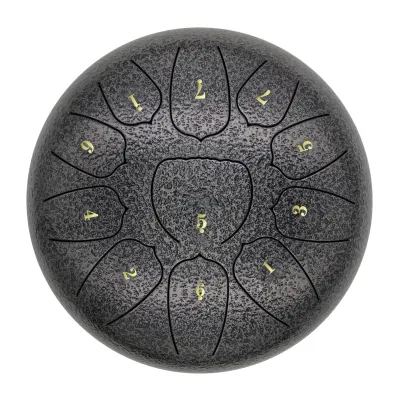
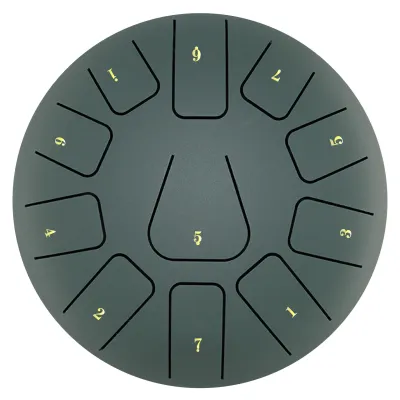
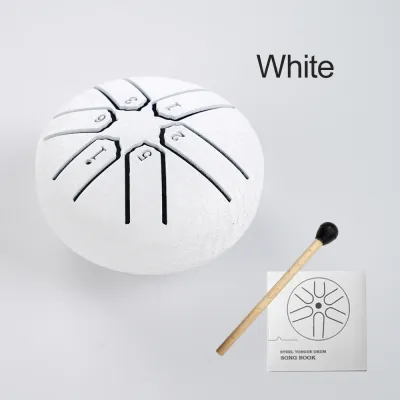
Prices are valid at publication and may change. Please refer to the product page for the latest price.
When shopping online, always verify the exact terminology and product photos used by the seller. Some listings on global ecommerce platforms mistakenly label handpans as steelpans or vice versa. Look for clear images showing a concave surface and included mallets to confirm you are purchasing a genuine traditional steelpan.
Selecting the Right Pan Type and Note Layout
The steelpan family includes several voices, ranging from high-pitched melody pans to deep bass barrels. For a beginner, the Tenor pan—also widely referred to as the Soprano pan—is the standard and most practical recommendation. The Tenor pan carries the melody, consists of a single drum, and features the most intuitive note layout for solo practice and learning standard musical scales.

Most modern Tenor pans utilize the “fifths and fourths” note layout, where notes are arranged in a circular pattern of musical intervals. This physical arrangement makes chord formations and scale patterns highly predictable once you memorize the layout. When evaluating a beginner pan, look for a standard low-G or low-C Tenor layout, as most instructional books and online tutorials are written specifically for these configurations.
While you might encounter other pan types like the Double Second or the Cello pan, these are generally less suitable for absolute beginners. These configurations require playing across two or more separate barrels simultaneously. Managing multiple drums increases the physical space required in your home, complicates transportation, and introduces a much steeper learning curve for a solo player.
Evaluating Material Quality and Craftsmanship
The quality of a steelpan depends heavily on the steel alloy used and the skill of the tuner. In humid tropical climates like Singapore, rust is the primary enemy of steel instruments. When selecting a pan, pay close attention to the surface finish. Chrome-plated steelpans offer the highest level of rust resistance and a bright, brilliant tone, though they require a higher initial investment. Painted or powder-coated pans are more affordable and offer decent protection, but the paint can chip over time, exposing the raw steel underneath.
Next, inspect the physical construction of the drum, particularly the skirt, which is the cylindrical outer wall of the barrel. The skirt should have smooth, evenly rolled edges without sharp points or irregular warping. A well-made skirt helps project the sound and maintains the structural integrity of the entire instrument.
Tuning a steelpan is a highly specialized art form that requires manual hammering and precise ear training. Because you cannot easily tune the instrument yourself, you must verify the tuning quality before purchasing. Avoid relying solely on compressed, low-quality audio clips provided on online retail sites. Instead, look for instruments that come with maker documentation, tuning certificates, or a clear return policy that allows you to return the drum if it arrives out of tune.
Essential Accessories and Total Budget Considerations
When planning your purchase, remember that the drum itself is only part of the equation. You must budget for several essential accessories to play and maintain your instrument safely. First, you will need a pair of high-quality steelpan mallets. These mallets must have the correct rubber hardness and weight for a Tenor pan; using mallets that are too hard or too heavy can permanently detune or dent the delicate note surfaces.
A sturdy, height-adjustable stand is another non-negotiable accessory. Traditional steelpans cannot be played on a table or on your lap, as the bottom of the barrel must remain open to allow the sound to project. The stand must be stable enough to prevent the heavy steel drum from tipping over during energetic practice sessions. Additionally, a padded gig bag or a hard-shell case is vital for protecting the polished surface from scratches and dust when not in use.
To protect your investment in a humid environment, include basic maintenance tools in your budget. A simple microfiber cloth and a bottle of manufacturer-recommended protective oil or pan wax are essential for wiping down the metal after every session to remove corrosive finger oils. When calculating your total budget in S$, allocate a realistic portion to these accessories. Opting for an extremely cheap, unbranded pan package often results in a poorly tuned instrument that cannot be corrected, making a slightly higher investment in a reputable starter kit far more cost-effective in the long run.
Frequently Asked Questions (FAQ)
How often does a beginner steel pan drum need to be retuned?
A beginner steel pan drum typically needs professional retuning every one to two years, depending on how often and how hard you play. Using the correct mallets and striking the notes with moderate force will significantly extend the life of the tune. Environmental factors also play a role; frequent exposure to extreme temperature shifts or high humidity can cause the metal to expand and contract, gradually pulling the notes out of pitch. You will know it is time for a retuning when specific notes sound dull, lose their characteristic ring, or sound noticeably sour when played alongside other notes.
Can I use a handpan stand for a traditional steel pan drum?
No, you should not use a handpan stand for a traditional steel pan drum. Traditional steelpans are much heavier and have a completely different physical structure, requiring suspension from the top rim rather than resting on a bottom support. A handpan stand is designed to cradle a lightweight, convex instrument from underneath and will not accommodate the long vertical skirt of a steelpan. Attempting to force a steelpan onto a handpan stand can muffle the sound, cause the drum to fall, or place improper pressure on the delicate note fields, leading to physical damage or detuning.
Community discussion
Share your experience or ask a question. Comments are reviewed before publication.