
Selecting your first tambourine instrument is more than just picking up a simple frame with metal discs. While it appears straightforward, this percussion staple features distinct design variations that directly impact its tone, playability, and longevity. To find the right instrument, a beginner must evaluate four primary components: the jingle material, the head type, the frame construction, and the overall ergonomics.
A well-chosen instrument ensures you can practice comfortably without hand fatigue while producing a tone that complements your musical style. By understanding how these elements interact, you can make an informed purchase that supports your learning journey from the very first strike.
Assess Your Playing Style and Tambourine Instrument Goals
Before browsing specific models, you must clarify how you plan to play the instrument. Different musical genres and performance settings require distinct playing techniques, which in turn dictate the ideal design. The three primary techniques for playing a tambourine are hand-held shaking, finger or thumb rolling, and direct striking.
Products mentioned in this guide
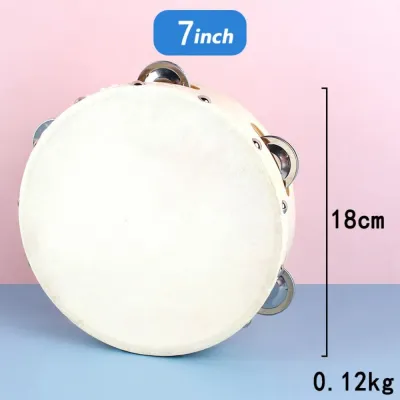
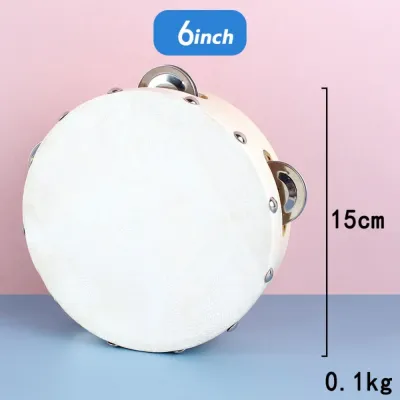
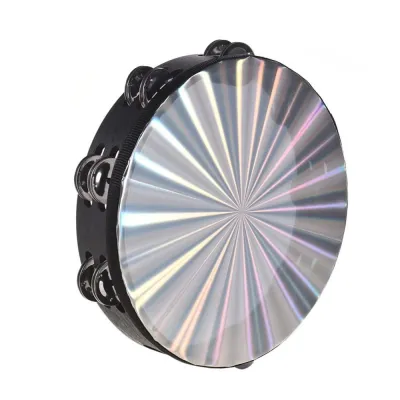
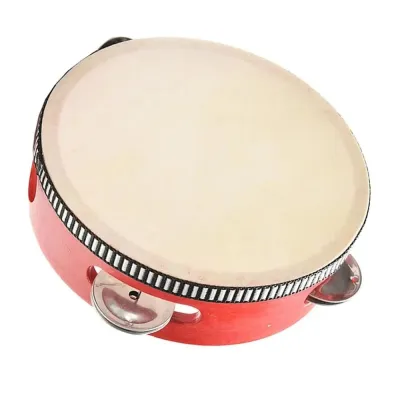

Prices are valid at publication and may change. Please refer to the product page for the latest price.
If your goal is to provide a continuous rhythmic background for acoustic guitar strumming or a church choir, shaking will be your primary movement. For these settings, a lightweight instrument is crucial to prevent wrist strain during long sets. Alternatively, players looking to perform intricate classical pieces or dynamic folk rhythms often rely on thumb rolls, which require a headed tambourine with a textured surface to create the necessary friction.
The musical environment also dictates your volume requirements. A rock band or a large worship group demands high volume and sharp projection to cut through amplified guitars and drums. Conversely, a classroom setting, an acoustic duo, or an early-years music group benefits from a softer, more controlled tone. Matching your instrument to these specific acoustic demands prevents you from buying a model that is either too quiet to be heard or too loud for your ensemble.
Headed models provide a dual-purpose experience, allowing you to strike the drumhead for a deep bass thud while simultaneously activating the jingles. Headless models, on the other hand, focus entirely on the crisp sound of the metal discs. If you only need to add a bright shimmer to your foot-tapping or shaking patterns, a headless model simplifies your technique and reduces physical fatigue.
Evaluate the Jingles (Zils) of Your Tambourine Instrument
The small metal discs inserted into the frame are called jingles, or zils, and they are the primary voice of the tambourine. The material used to construct these discs determines the brightness, decay, and overall character of the sound. Beginners should understand the acoustic properties of the three most common jingle materials before making a choice.

Brass jingles are widely favored for their warm, rich, and highly versatile tone. They produce a mid-range brightness that blends smoothly with acoustic instruments, making them an excellent choice for folk, pop, and orchestral settings. Brass offers a classic sound that is highly responsive to subtle changes in playing dynamics.
Bronze jingles deliver a darker, warmer, and more complex acoustic profile. They have a lower pitch and a longer decay, which adds a sophisticated texture to your rhythm. While bronze is highly prized by studio musicians and orchestral percussionists for its tonal depth, it may lack the sharp cutting power needed for loud, amplified live performances.
Nickel silver jingles offer a bright, clear, and cutting sound with a fast response. This material produces a high-pitched shimmer that easily pierces through dense musical arrangements, such as rock bands or large ensembles. If you need your rhythm to remain distinct and sharp in a loud environment, nickel silver is often the most reliable option.
Beyond material, you must consider the jingle configuration, which is typically arranged in either a single row or a double row. A single-row tambourine features fewer jingle pairs, resulting in a lighter weight, lower volume, and a more delicate sound that is easy for beginners to control. A double-row tambourine features stacked pairs of jingles, producing a much fuller, louder, and more dense sound, though the added weight requires more physical stamina to play for extended periods.
Choose the Right Head: Synthetic, Natural, or Headless
If you decide on a headed tambourine, the choice of drumhead material is critical to both sound quality and instrument maintenance. Traditional tambourines feature natural skin heads, typically made from calfskin or goatskin. Natural skins offer an unmatched warm, organic tone with rich mid-range resonance that classical and traditional players highly value.
However, natural skin heads are highly sensitive to environmental conditions, particularly humidity and temperature fluctuations. In a highly humid climate like Singapore’s, natural skins absorb moisture from the air, causing them to sag, lose tension, and produce a dull, muddy sound. Conversely, dry air can cause the skin to shrink and potentially split if the tension becomes too high.
For beginners, synthetic heads made from materials like Mylar or plastic composites are generally the most practical and reliable choice. Synthetic heads are completely impervious to weather changes, maintaining their tension and bright, consistent tone whether you are playing indoors, outdoors, or in a humid tropical environment. They are exceptionally durable, require virtually no maintenance, and can withstand energetic striking without tearing.
If you do not require the drum-like strike of a headed model, a headless tambourine is an excellent alternative. Headless models eliminate the maintenance concerns of a drumhead entirely and are significantly lighter in weight. This makes them highly accessible for beginners who want to focus solely on mastering shaking patterns, hand-to-hand transitions, and basic rhythmic timing without worrying about head tension or striking techniques.
Inspect Frame Construction and Ergonomics
The frame of the tambourine holds the entire instrument together and directly affects both its acoustic resonance and physical comfort. Traditional frames are constructed from bent wood, such as ash or maple. Wood frames offer a classic aesthetic and contribute a warm, natural resonance to the overall sound of the instrument, but they tend to be heavier and more expensive, requiring careful handling to avoid cracking.
Plastic or composite frames represent a modern, highly durable, and budget-friendly alternative. These materials are virtually indestructible, making them ideal for beginners, school environments, and touring musicians. Plastic frames can also be molded into highly ergonomic shapes that are difficult to achieve with traditional wood.
When selecting your first instrument, prioritize ergonomic features that prevent hand fatigue, joint strain, and blisters. Look for models that feature contoured grips, which provide a secure hold for your fingers, and integrated thumb pads that cushion your hand during strikes. Rounded edges along the frame rim are also essential, as they make striking the instrument much more comfortable over long practice sessions.
The overall weight distribution of the tambourine is another crucial factor for skill development. A poorly balanced instrument will feel heavy at one end, forcing your wrist to overcompensate and hindering your ability to maintain a steady tempo. Before purchasing, hold the tambourine in your playing hand and simulate a shaking motion to ensure the weight feels evenly distributed and comfortable.
Perform a Pre-Purchase Quality Checklist
To ensure you are investing in a reliable instrument, perform a thorough physical inspection before finalizing your purchase. Start with the shake test by holding the tambourine and shaking it gently at various angles. Listen closely to the jingles; they should produce a crisp, cohesive sound without any lingering buzzing, rattling, or delayed response that might indicate loose mounting slots.
If you are testing a headed model, perform a strike test by tapping the drumhead gently with your fingers and palm across different areas of the surface. The head should exhibit consistent tension and even resonance, free from dead spots, buzzing noises, or visible wrinkles near the rim.
Next, conduct a meticulous visual inspection of the entire instrument. Examine the metal pins that hold the jingles in place to ensure they are securely anchored into the frame and show no signs of sliding out. Run your fingers along the edges of the frame to check for smooth finishes, ensuring there are no wood splinters, sharp plastic molding seams, or rough patches that could cause discomfort during play.
If you notice any loose jingles, wobbling pins, uneven head tension, or structural defects, do not attempt to repair them yourself. Stop and consult the retailer or contact the manufacturer to verify the instrument’s specifications or request a replacement unit.
Frequently Asked Questions (FAQ)
What size tambourine is best for a beginner?
For most adult beginners, a 10-inch tambourine is the standard and most versatile choice. This size provides a balanced surface area for striking, accommodates a double row of jingles for full volume, and fits comfortably in average-sized hands. Smaller sizes, such as 8-inch models, are lighter and highly suitable for children, players with smaller hands, or musicians who want a higher-pitched, more subtle accent sound.
How do I maintain a synthetic tambourine head in a humid climate?
Synthetic tambourine heads are remarkably low-maintenance, but basic care will extend their lifespan. After each playing session, wipe the head with a clean, dry microfiber cloth to remove sweat, oils, and dirt. Store the instrument in a padded gig bag to protect it from dust and physical impacts, keeping it out of direct sunlight and away from rapid temperature changes, such as direct air conditioning drafts. Unlike natural skins, synthetic heads do not require regular tension adjustments or specialized conditioning oils.
Can I mount a hand tambourine on a drum kit?
While some hand-held tambourines can be placed on a snare drum or mounted temporarily, standard hand models are not designed to withstand direct drumstick strikes or mount securely onto hardware. If you want to integrate a tambourine into a drum kit, look for a specialized mountable tambourine that features a reinforced plastic frame, a dedicated mounting bracket, and protective rubber striking surfaces. Always verify that the mounting bracket matches the diameter of your cymbal stand or percussion rod to ensure a secure, damage-free fit.
Community discussion
Share your experience or ask a question. Comments are reviewed before publication.