
Finishing a novel that blends the high-octane world of K-pop with supernatural demon hunting leaves a very specific void. This subgenre thrives on a unique contrast: the polished, hyper-visible life of a music idol juxtaposed against the gritty, hidden violence of battling monsters. To find your next great read, you must dissect what made this combination work so well for you. Whether you were drawn to the intense training schedules, the strategic magic systems, or the comedy of keeping a double life secret, there is a vast world of Asian fantasy and contemporary fiction waiting to be explored.
By breaking down these stories into their core narrative elements, you can identify exactly what to look for in your next book. The transition from a specific niche to broader genres becomes much easier when you know how to search for these underlying themes.
Deconstructing the Appeal: Identifying Your Favorite Tropes
The entertainment industry backdrop is far more than just a glamorous setting; it serves as a high-stakes pressure cooker for the characters. Novels in this space often detail the grueling journey of a trainee, including relentless evaluation cycles, the anxiety of debut line-ups, and the complex dynamics of fandoms. Readers are treated to an insider look at celebrity pressure, where public perception is everything. The addition of supernatural stakes turns these everyday industry anxieties into literal battles for survival, making every music show performance feel like a high-stakes mission where a single mistake could expose the hidden world.
Products mentioned in this guide
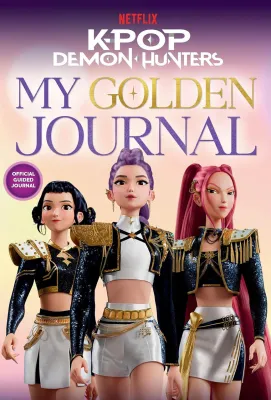
Prices are valid at publication and may change. Please refer to the product page for the latest price.
Supernatural mechanics in these novels often rely on highly structured magic systems. These are frequently inspired by gaming mechanics, featuring hunter guilds, dungeon raids, and “system” interfaces that display quests, levels, and skills. When these elements are integrated into a contemporary setting, they provide a clear sense of progression. The protagonist does not just get stronger through vague training montages; they level up, acquire rare items, and navigate a complex hierarchy of supernatural organizations that operate right beneath the noses of ordinary citizens. This structured progression makes the action sequences feel logical and rewarding.
The “secret identity” tension provides immense narrative satisfaction as you watch a character balance two completely incompatible lives. A protagonist might have to rush from a grueling choreography rehearsal to close a dimensional rift, only to return with minor injuries they must explain away as a dance mishap. This constant threat of exposure creates a fast-paced, suspenseful, and often humorous dynamic. The contrast between a glamorous stage outfit and tactical monster-hunting gear highlights the absurdity and excitement of their dual existence, keeping the reader engaged through both quiet slice-of-life moments and intense battles.
Subgenres and Themes to Explore Next
If the action, guild politics, and system-based progression were your favorite parts of the story, you should dive directly into the broader “Hunter” genre. Known as Heon-teo-mul in Korean fiction, these stories are set in modern worlds where mysterious gates or dungeons have opened, granting certain humans magical abilities. While these novels lack the glitz of the music industry, they offer highly detailed magic systems, intense tactical combat, and complex world-building. You will find protagonists climbing tower structures, managing powerful guilds, and using their wits to survive deadly encounters in familiar modern cities.

For readers who were captivated by the drama, corporate politics, and psychological pressure of the entertainment industry, removing the supernatural elements can still yield incredibly tense stories. The “entertainment industry” subgenre features protagonists who use regression (traveling back in time) or deep industry knowledge to manage groups, produce hit songs, and navigate cutthroat survival shows. These novels focus on the strategic side of show business, dealing with malicious rumors, corrupt executives, and the intense psychological toll of fame, often reading like high-stakes corporate thrillers where reputation is the ultimate currency.
If you enjoyed the youthful energy and the struggle of balancing a normal life with hidden heroic duties, the magical academy genre is an excellent transition. These stories typically feature young protagonists who attend specialized institutions to train their magical or combat abilities while trying to maintain a semblance of a normal social life. The focus here is on friendship, teamwork, and the gradual discovery of deeper conspiracies, mirroring the camaraderie and shared struggles found among members of a K-pop group. The academic setting provides a familiar structure while allowing the supernatural elements to develop naturally.
How to Search for Similar Asian Fantasy and Idol Fiction
Finding these niche stories requires moving beyond broad genre categories like “Fantasy” or “Sci-Fi” on digital platforms. Modern digital reading platforms rely heavily on user-generated and publisher tags. When searching, use highly specific keyword combinations such as “System,” “Idol,” “Entertainment Industry,” “Hunter,” “Secret Identity,” “Regression,” or “Transmigration.” Combining these terms—for example, searching for “Idol” alongside “System”—will quickly filter out traditional high fantasy and bring you closer to the modern, game-like settings you enjoy.
If you prefer physical books or officially curated digital collections, look for translated Asian literature sections. In Singapore, major physical bookstores in central shopping districts often have dedicated shelves for translated light novels, webnovels, and contemporary Asian fiction. When browsing, do not hesitate to ask staff for translated Korean or Chinese fantasy works. Many popular webnovels are eventually licensed for physical publication, complete with high-quality cover art and bonus illustrations that enhance the reading experience. Additionally, checking local library catalogs using digital search tools can reveal licensed translations available for loan.
Managing your reading budget is crucial, as webnovels can span hundreds of chapters. Digital platforms often use coin-based pay-per-chapter systems or monthly subscription models. Before committing to a long series, calculate the potential cost. A single chapter might cost a few cents, but a 500-chapter novel can add up quickly. Look for platforms that offer daily free chapters or bundle discounts. If you prefer physical volumes, expect to budget around S$15 to S$30 per book, depending on the publisher and import fees, making digital subscriptions or library loans a highly cost-effective alternative for voracious readers.
Essential Checks Before Committing to a New Series
Because many of these novels originate in Korean, Chinese, or Japanese, verifying the translation quality is essential before you purchase. Official translations offer professional editing, localized idioms, and consistent terminology that preserve the author’s original intent. Fan translations can vary wildly in quality, while machine-generated text often suffers from grammatical errors and confusing pronoun swaps. Always read a free preview chapter to ensure the translation style is comfortable and does not pull you out of the story.
Serialized fiction is published incrementally, sometimes daily or weekly, which can impact your reading experience. Before diving into a new story, check its status. A completed novel allows you to read at your own pace without interruption. If a novel is ongoing, look at the update frequency to ensure the author or translator is active. Starting a series that has been on an indefinite hiatus can lead to frustration when the story cuts off mid-arc, so verifying the release schedule beforehand is always a wise step.
The tone of urban fantasy can shift rapidly from lighthearted comedy to dark, psychological horror. Many hunter and entertainment novels explore heavy themes, including intense violence, mental health struggles, and corporate exploitation. Check the platform’s content tags or community reviews for age ratings and content warnings to ensure the story aligns with your reading comfort level before purchasing.
Before purchasing a digital novel or subscribing to a platform, verify how you will read it. Some platforms require proprietary apps, while others allow you to download standard EPUB or PDF files. Ensure the service is compatible with your preferred e-reader, tablet, or smartphone. Checking these technical requirements beforehand prevents compatibility issues and ensures a seamless reading experience across your devices.
Frequently Asked Questions (FAQ)
Are there official English translations for Korean hunter webnovels?
Yes, many popular Korean hunter and urban fantasy webnovels have official English translations. Licensed digital platforms and publishers regularly acquire the rights to translate and distribute these works. To support the original creators, readers should access these stories through authorized platforms rather than pirate sites. Official releases ensure that authors and translators are compensated, which in turn encourages the licensing of more titles in the genre.
How do I verify if a digital novel platform is officially licensed?
An officially licensed platform will display clear copyright notices, licensing agreements, and explicit partnerships with original publishers or authors. They also utilize secure, standard payment gateways for their subscription or coin systems. You can verify a platform’s legitimacy by checking the official social media channels of the original author or Korean publisher, as they frequently post links to their authorized English distributors.
Community discussion
Share your experience or ask a question. Comments are reviewed before publication.