
The massive world of Pyrrhia, filled with warring dragon tribes, ancient prophecies, and powerful animus magic, has captured the imaginations of readers worldwide. Created by Tui T. Sutherland, the Wings of Fire series has grown into a sprawling fantasy epic comprising fifteen main-series novels, multiple graphic novel adaptations, standalone prequels, and short story collections. For a new reader standing in front of a bookshelf, deciding where to begin can feel overwhelming. To ensure a seamless reading experience without spoiling major plot twists or getting lost in the intricate lore, the definitive starting point is the very first novel, The Dragonet Prophecy, or its official graphic novel adaptation.
The Definitive Starting Point: The Dragonet Prophecy (Book 1)
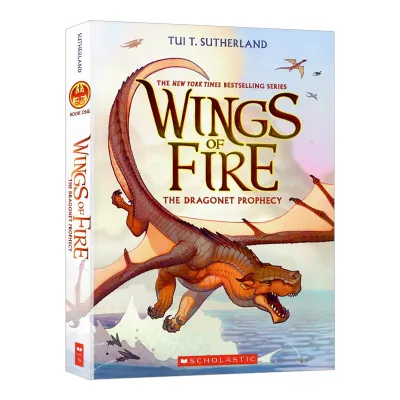
The Dragonet Prophecy (Wings of Fire #1) is the absolute foundation of the entire franchise. Published in 2012, this novel introduces the continent of Pyrrhia, a land torn apart by a brutal, twenty-year war of succession among three SandWing princess sisters: Burn, Blister, and Blaze. To end the devastating conflict, a secretive group called the Talons of Peace raises five dragonets from different tribes in a hidden cavern, believing they are destined to fulfill a grand prophecy. By starting here, you meet the original five protagonists: Clay the MudWing, Tsunami the SeaWing, Glory the RainWing, Starflight the NightWing, and Sunny the SandWing.
Sutherland uses a brilliant narrative structure where each book in the first arc is told from the perspective of a different dragonet. Book 1 focuses on Clay, offering an accessible, grounded entry point into the world. Through his eyes, readers learn about the distinct physical attributes and unique abilities of the seven dragon tribes. For instance, MudWings can breathe fire if warm enough and are incredibly strong, while SeaWings have bioluminescent scales and can breathe underwater. This organic world-building prevents readers from feeling overwhelmed by the fantasy setting.
Products mentioned in this guide
![[SG Stock]Wings of Fire Book Series by Tui T. Sutherland – 15 books set Dragonet Prophecy Jade Mountain Lost Continent Winter Turning and more](https://img.lazcdn.com/g/p/21c3166f402d303ec98d135bccd20865.jpg_400x400q80.jpg_.webp)
![[SG Stock]Wings of Fire Graphic Novel Set Books 1-8 - Tui T. Sutherland Scholastic Kids Comic Series](https://img.lazcdn.com/g/p/b3517fedcfe9b82508cc9d62d5bc7cb1.jpg_400x400q80.jpg_.webp)
Prices are valid at publication and may change. Please refer to the product page for the latest price.
The prose is fast-paced, highly engaging, and tailored perfectly for middle-grade readers (typically ages 8 to 12), though older fantasy fans will appreciate the political maneuvering and emotional depth. While the book utilizes some classic “chosen family” and “prophecy” tropes, it is a mandatory read because it establishes the foundational rules of dragon magic, tribal alliances, and the emotional bonds that drive the entire fifteen-book narrative. Skipping it means missing the vital context of why the world is structured the way it is.
The Visual Alternative: The Dragonet Prophecy (Graphic Novel)
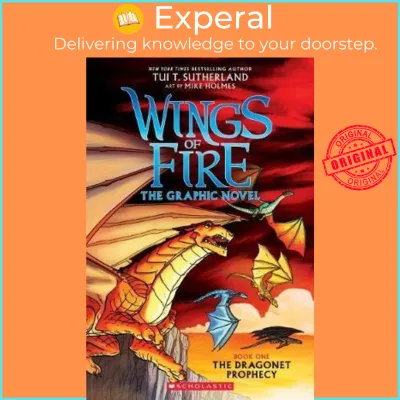
For readers who prefer visual storytelling, struggle with dense blocks of text, or are transitioning from picture books to chapter books, the graphic novel adaptation of The Dragonet Prophecy serves as an excellent alternative entry point. Illustrated by Mike Holmes, this visual adaptation translates Sutherland’s descriptive prose into vibrant, dynamic panels that bring the distinct dragon tribes to life. One of the biggest hurdles for new readers in any high-fantasy series is visualizing the characters and setting; the graphic novel solves this instantly by providing official, colorful designs for each tribe. You can easily distinguish a SeaWing’s glowing patterns from a SkyWing’s ruby-red wings at a glance.

The pacing is significantly faster, and the dialogue is streamlined, making it highly appealing to reluctant readers or younger children. Holmes’ illustrations capture the scale of the dragons, the expressive facial features that convey complex emotions, and the dramatic landscapes of Pyrrhia, from the dark, claustrophobic tones of the underground cave where the dragonets were raised to the bright, dangerous heights of the SkyWing palace.
However, there are trade-offs to consider. While the graphic novel is an excellent hook, it naturally condenses the plot and omits some of the deeper world-building, internal monologues, and subtle character nuances found in the original prose. If you choose to start with the graphic novel, it is highly recommended to eventually transition to the prose novels as the story progresses into more complex territory, ensuring you do not miss out on the rich lore and emotional complexity of later arcs.
Understanding the Arcs: Why Publication Order Matters
To navigate the massive library of Wings of Fire, it is essential to understand how the series is structured. The main storyline is divided into distinct five-book story arcs, each focusing on a different set of characters and a unique overarching conflict.
- Arc 1: The Dragonet Prophecy (Books 1 to 5): Centers on the original Dragonets of Destiny and their quest to end the SandWing war.
- Arc 2: The Jade Mountain Prophecy (Books 6 to 10): Introduces a new generation of students at a newly established school, dealing with ancient threats and animus magic.
- Arc 3: The Lost Continent Prophecy (Books 11 to 15): Expands the map to a completely new continent called Pantala, introducing three new dragon tribes and a fresh, high-stakes conflict.
Attempting to start with Book 6 or Book 11 is highly discouraged. Doing so will expose you to massive spoilers regarding who survives the original war, who takes the thrones of the various kingdoms, and how major romantic and platonic relationships resolve. Furthermore, the magic systems and political landscapes of later arcs build directly upon the outcomes of the first five books.
The recommended reading path is a strict publication order within the main arcs. After finishing The Dragonet Prophecy (Book 1), you should immediately proceed to The Lost Heir (Book 2), which follows Tsunami to the Kingdom of the Sea. Next is The Hidden Kingdom (Book 3), shifting to Glory in the Rainforest Kingdom, followed by The Dark Secret (Book 4), which focuses on Starflight’s capture by the NightWings. The arc concludes with The Brightest Night (Book 5), where Sunny must find a way to end the war. This sequence guarantees that you experience the character development and world-building exactly as the author intended, preventing any narrative confusion.
Spin-offs and Prequels: When to Read Legends and Winglets
Beyond the main fifteen-book sequence, the franchise features several spin-offs, including the Legends novels and the Winglets collections. Legends are longer, standalone prequel novels that explore pivotal historical events in Pyrrhia’s past. For instance, Legends: Darkstalker delves into the tragic origin story of one of the series’ most infamous historical figures, a NightWing-IceWing hybrid with dangerous animus magic. Legends: Dragonslayer tells the story of the SandWing war from the perspective of humans (referred to as “scavengers” by the dragons).
While these books are incredibly enriching, they are not suitable starting points for new readers. They assume a deep familiarity with the world’s geography, tribal traits, and history, and reading them first will lead to major spoilers. For example, reading Darkstalker before Arc 2 ruins several massive plot twists regarding ancient magic and character identities.
The ideal time to integrate these books is after you have established a solid foundation:
- Legends: Darkstalker: Read this after finishing Book 8 (Escaping Peril) or after completing Arc 2 entirely to fully appreciate the historical context.
- Legends: Dragonslayer: Read this after Book 13 (The Poison Jungle) to appreciate how the human and dragon storylines intersect.
- Winglets: These shorter stories (such as Prisoners, Assassin, or Deserter) provide valuable backstory for minor characters. They are best read after finishing Arc 1 to flesh out the world without causing confusion.
- A Guide to the Dragon World: This encyclopedic companion book is a beautiful reference filled with maps, letters, and lore, but it is meant for reference and collection rather than serving as a narrative entry point.
How to Choose the Right Format and Edition
When preparing to purchase your first Wings of Fire books, selecting the right format and edition is key to an enjoyable reading experience. Paperback editions are lightweight, highly portable, and budget-friendly, making them perfect for reading on the go, whether on the MRT or during a school break in Singapore. Hardcovers offer excellent durability and look beautiful on a collector’s shelf, though they come at a higher price point.
If digital reading is preferred, e-books provide instant access on compatible devices, allowing you to carry the entire fifteen-book saga in a single lightweight e-reader. For shared family experiences or auditory learners, the audiobooks narrated by Shannon McManus are highly praised for their distinct character voices and immersive storytelling, making them ideal for daily commutes or bedtime listening.
Before making a purchase, always verify the edition and publisher (such as Scholastic US versus Scholastic UK). While the text remains largely identical, the cover art, spine designs, and physical dimensions can vary significantly between publishers. If you plan to collect the entire physical series, sticking to one publisher’s editions will ensure a uniform, visually satisfying display on your bookshelf.
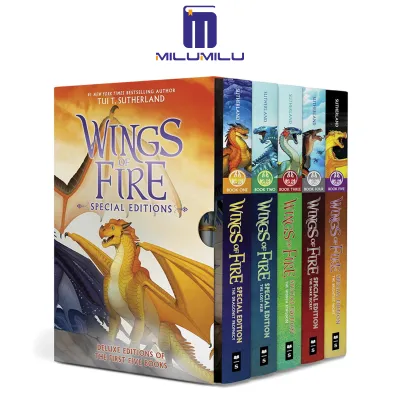
For the best value, look for box sets of the first arc (Books 1 to 5) at local retail bookstores or trusted online marketplaces in Singapore. Purchasing a box set in Singapore dollars (SGD) is generally much more cost-effective than buying individual paperbacks and guarantees that you can immediately dive into the next chapter of the saga without waiting.
Frequently Asked Questions (FAQ)
Can I start with The Jade Mountain Prophecy (Book 6)?
While Book 6 (Moon Rising) begins a new story arc with a fresh cast of main characters, starting here is not recommended. It acts as a soft reboot, but the plot is deeply intertwined with the aftermath of the SandWing war. Characters from the first arc appear frequently as teachers, rulers, and mentors, and their current roles will spoil the climax of Book 5. To fully appreciate the emotional weight and the complex history of the Jade Mountain Academy, you should complete the first five books first.
Are the Wings of Fire books appropriate for a 7-year-old?
The series is generally classified as middle-grade fiction, targeting readers aged 8 to 12. While the story features themes of friendship, loyalty, and empathy, it also contains fantasy violence, dragon battles, and some dark thematic elements, such as political assassinations and the peril of war. For a 7-year-old, parents are advised to preview the first few chapters of The Dragonet Prophecy or read it aloud together to gauge if the child is comfortable with the level of action and mild violence.
Community discussion
Share your experience or ask a question. Comments are reviewed before publication.