
Entering the literary world of Elizabeth Strout is like stepping into a quiet, observant space where the complexities of human nature are laid bare with extraordinary empathy. For readers wondering where to begin, the answer depends on your preferred narrative style. If you enjoy episodic, deeply character-driven storytelling, starting with the Pulitzer Prize-winning Olive Kitteridge is highly recommended. If you prefer a more traditional, continuous linear narrative that explores maternal bonds and memory, My Name Is Lucy Barton serves as an excellent gateway. Both entry points introduce you to Strout’s signature style: her ability to find profound meaning in the ordinary, quiet moments of everyday life.
Strout’s work is celebrated for its deep psychological insight and its portrayal of ordinary people navigating the quiet crises of existence. Whether she is writing about a retired schoolteacher in coastal Maine or a successful writer reflecting on her rural Illinois upbringing, Strout treats her characters with a rare combination of unflinching honesty and profound compassion. By understanding how her books are structured and how they connect with one another, you can choose the perfect starting point for your reading journey.
Understanding Strout's Narrative Structures
Elizabeth Strout’s bibliography is unique in how it balances traditional novelistic forms with innovative narrative structures. To fully appreciate her work, it helps to understand the two primary formats she employs: traditional linear novels and linked short story collections. While a traditional novel follows a continuous storyline with a clear chronological progression, her linked collections function more like a mosaic. In these collections, individual chapters can stand alone as complete short stories, yet when read together, they build a rich, multi-layered portrait of a community and its central figures.
Products mentioned in this guide
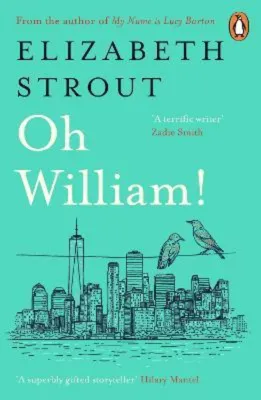
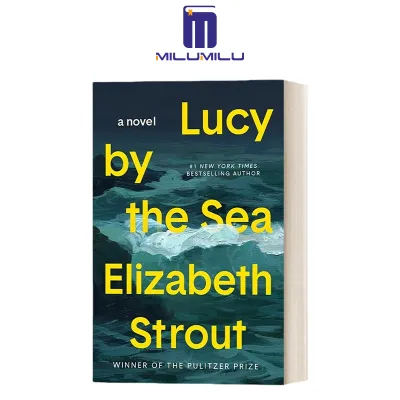
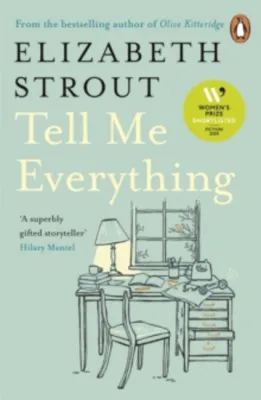
Prices are valid at publication and may change. Please refer to the product page for the latest price.
This structural versatility is closely tied to Strout’s creation of interconnected fictional worlds. Rather than treating each book as an isolated entity, she has constructed a shared literary universe where characters frequently cross over from one novel to another. A protagonist in one book might appear as a fleeting background figure in another, or a minor character might step into the spotlight in a later work. This interconnectedness primarily centers around two distinct geographic hubs: the coastal town of Crosby, Maine, and the rural community of Amgash, Illinois.
At the heart of all Strout’s narrative structures is her signature thematic focus. She is a master of small-town dynamics, capturing the subtle social hierarchies, shared secrets, and quiet judgments that define close-knit communities. Within these settings, she explores the intricate complexities of family relationships—particularly the fraught bonds between parents and children—and the quiet resilience required to endure grief, loneliness, and the inevitable indignities of aging. By focusing on these universal human experiences, Strout creates stories that feel deeply intimate and universally resonant.
Choosing Your First Book Based on Reading Preferences
Selecting your first Elizabeth Strout book is a matter of matching her structural styles with your personal reading habits. Because her work spans different formats, you can tailor your entry point to the specific type of literary experience you enjoy most.

For episodic, character-driven reading
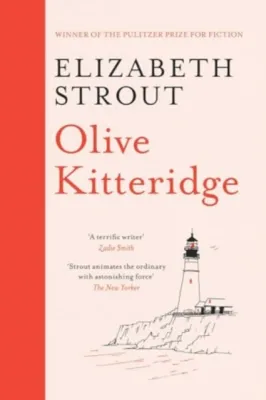
If you appreciate stories that build character depth through a series of distinct, atmospheric vignettes, your best starting point is Olive Kitteridge. This book is a masterpiece of the “novel-in-stories” format. Instead of a single, continuous plot, the book consists of thirteen linked stories set in the coastal town of Crosby, Maine. Olive Kitteridge, a retired junior high school math teacher, is the thread that binds them together. In some stories, she is the central protagonist, navigating her own marriage and relationship with her son; in others, she is a minor, passing figure observed by her neighbors. This unique structure allows you to see Olive from multiple angles—as a harsh, prickly woman, but also as someone capable of immense kindness and deep emotional pain. It is an ideal choice for readers who enjoy rich character studies and do not require a traditional, linear plot to stay engaged.
For continuous, traditional narratives
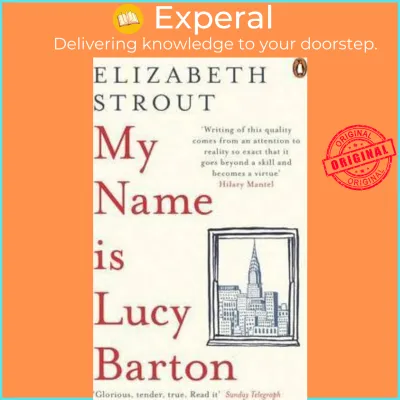
If you prefer a more conventional reading experience with a single, focused narrative voice, My Name Is Lucy Barton is the perfect introduction. This slim, elegant novel is written as a first-person memoir. The story takes place primarily in a New York hospital room, where Lucy Barton is recovering from a mysterious illness. Her estranged mother comes to visit her, and over the course of several days, they talk about their past, their rural upbringing in Amgash, Illinois, and the people they knew. The narrative flows like a stream of memory, capturing the delicate, unspoken tensions and deep-seated love between mother and daughter. Because it follows a single protagonist’s continuous internal and external journey, it offers a highly accessible and emotionally direct entry point into Strout’s writing.
For fans of expansive literary worlds
If you love the feeling of immersing yourself in a vast, interconnected universe where characters grow and change over decades, you should approach Strout’s work with an eye toward her broader literary landscape. Starting with My Name Is Lucy Barton is particularly rewarding for this type of reader, as it serves as the foundation for what is often called the “Amgash Universe.” By starting here, you set yourself up to appreciate the subtle ways characters from Lucy’s life reappear in subsequent books. You will experience the joy of recognition when a name mentioned in passing in one novel becomes the focus of an entire chapter in the next. This approach transforms reading into an active journey of discovery, where the boundaries between individual books begin to dissolve, revealing a larger, cohesive portrait of human connection.
Navigating the Amgash Universe Reading Order
For readers who decide to dive into Strout’s interconnected series of novels, understanding the reading order is key to maximizing your enjoyment. While almost all of her books can technically be read as standalones, committing to the intended sequence offers a far richer experience, particularly when navigating the novels centered around Lucy Barton and the town of Amgash.
To appreciate this interconnected world, it is helpful to distinguish between standalone reading and committed series reading. If you only plan to read one or two books, you can easily pick up Olive Kitteridge or My Name Is Lucy Barton on their own. However, if you wish to follow the full trajectory of these characters’ lives, following the publication sequence is highly recommended. The general publication order for the Amgash-related novels is as follows:
- My Name Is Lucy Barton
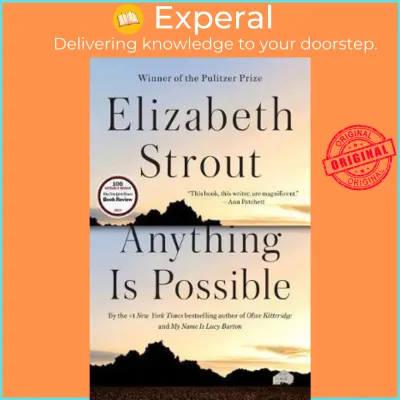
- Anything Is Possible
- Oh William!
- Lucy by the Sea
While it might be tempting to try and arrange these books chronologically based on the characters’ ages or the historical timeline of the events, publication order remains the superior choice for first-time readers. Authors write sequels and companion pieces with the assumption that the reader has already experienced the previous books. By reading in the order of publication, you preserve the intended character reveals and thematic developments. For example, the emotional weight of Oh William! relies heavily on the foundational understanding of Lucy’s past established in My Name Is Lucy Barton. Reading them out of order can spoil key narrative developments and lessen the emotional impact of the characters’ personal growth.
Selecting the Right Edition and Format
Once you have decided which book to start with, the next step is ensuring you select the right edition and format for your reading preferences. Taking the time to verify these details beforehand can significantly enhance your reading experience.
First, check for the availability of omnibus editions or bind-ups. Publishers occasionally release special editions that combine related works into a single volume, such as pairing Olive Kitteridge with its sequel, Olive, Again. These combined editions can be highly convenient and cost-effective if you plan to read both books. However, be sure to verify that the physical size and weight of an omnibus edition are comfortable for your reading habits, as larger volumes can sometimes be cumbersome to hold for extended periods.
Second, consider your preferred medium, especially if you enjoy audiobooks or require translations. Elizabeth Strout’s prose is highly oral and rhythmic, making her books exceptionally well-suited for audio formats. When choosing an audiobook, verify the narrator, as a skilled voice actor can bring the distinct regional accents of Maine or Illinois to life. For instance, the audiobooks narrated by Kimberly Farr are widely appreciated for capturing the precise emotional cadence of Lucy Barton. If you are purchasing a translated edition, check the publisher’s notes to ensure the translation preserves Strout’s characteristic simplicity and emotional depth.
Finally, confirm regional availability and format compatibility through your preferred local channels. If you are purchasing books in Singapore, you can check the catalogs of local physical bookstores, online retailers, or the National Library Board’s digital resources. Ensure that any digital editions you purchase are compatible with your specific e-reader or tablet. By verifying these practical details, you can secure a high-quality copy of Strout’s work and begin your reading journey with confidence.
Frequently Asked Questions (FAQ)
Do I need to read the first Olive Kitteridge book before the sequel?
While the sequel, Olive, Again, is written in a way that provides sufficient context for new readers, it is highly recommended that you read the first Olive Kitteridge book first. The original novel establishes the foundational character development, showing Olive in her middle years and exploring the complex dynamics of her marriage and her relationship with her son. Experiencing this background first makes the portrayal of her aging, losses, and late-life reflections in the sequel infinitely more moving and meaningful.
Are Elizabeth Strout's novels considered emotionally heavy?
Elizabeth Strout’s novels do deal with emotionally heavy themes, including grief, loneliness, family trauma, and the quiet disappointments of life. However, her writing is never purely depressing. She masterfully balances these somber elements with moments of profound hope, dry humor, and deep human empathy. Her characters possess a quiet resilience that allows them to find unexpected moments of grace and connection amidst their struggles, leaving readers feeling comforted rather than overwhelmed.
Community discussion
Share your experience or ask a question. Comments are reviewed before publication.